
The FDA Food Code Requirement for the Person in Charge
Every restaurant has someone running the show during any given shift. The FDA Food Code has a name for that person, the Person in Charge (PIC), and it has a very specific set of obligations attached to the role.
Sections 2-101 and 2-103 define who the PIC is, what they must know, and what they’re personally responsible for during every hour of operation. A few weeks ago, I had the opportunity to participate in a question review for a licensed food safety exam provider, and we had a rich discussion about the PIC requirement and its implications for operators. Each person on the call had somewhat similar thoughts about the provision, but they also differed a bit. Thus, I thought digging into this requirement might make an interesting blog post.
The PIC is the individual present at a food establishment who is responsible for the operation at the time of inspection. Two details matter here: the PIC must be physically present, and the role rotates with each operating period. If the general manager goes home and the closing manager is the most senior person in the building, that manager is the PIC, with all the obligations that come with it.
Does the person have to be a “manager”? In other words, could you appoint a lead cook or a shift lead to serve as the PIC? Absolutely! The food code does not attach a specific title to the person in charge. Any lead employee could serve as a PIC if they meet the knowledge requirements under the code.
The Food Code doesn’t just require someone to be in charge who simply assigns tasks and tells people when they can leave for the day. Rather, the PIC must demonstrate knowledge of foodborne illness prevention. That means they must either be a certified food protection manager or demonstrate knowledge by answering a health inspector’s questions during an inspection.
In practice, your PIC should be able to speak confidently about proper cooking, holding, and cooling temperatures; the employee health policy; allergen information for your menu; and the specific food safety controls in your operation.
…The most important food safety tool in any kitchen isn’t a thermometer, it’s a knowledgeable, present, engaged PIC…
- Employees are properly trained in food safety and allergen awareness before working independently.
- The employee health reporting system is functioning, meaning that staff know to report symptoms and diagnoses to the PIC, and the PIC knows what to do with those reports.
- New hires are screened for relevant health conditions before they start handling food.
- Handwashing practices are actively monitored, not just assumed.
- Foods are received from approved suppliers, are received at correct temperatures, and are protected from contamination.
- Ill employees are kept away from food, even if they haven’t self-reported.
- Cross-contamination is controlled through proper storage, equipment use, and product flow.
- Temperature requirements are met for cold holding, hot holding, cooking, cooling, and thawing.
- Sanitizing solutions are at proper concentration, are actively monitored, and are properly used.
When a health inspector arrives, they identify the PIC first. Every question, every finding, and every corrective action runs through that person. A PIC who can’t answer knowledge questions or locate documentation is demonstrating non-compliance in real time, and that’s a violation in itself.
The PIC requirement isn’t bureaucratic overhead. It’s built on a simple, evidence-based insight: when someone knowledgeable is consistently in charge of food safety, outbreaks are less likely to happen. During a busy service with dozens of meals going out every hour, there are hundreds of food safety decision points. The PIC is the person whose job it is to actively think about each of them. The most important food safety tool in any kitchen isn’t a thermometer; it’s a knowledgeable, present, engaged PIC.
These sections are among the most consequential in the entire code and treating them as a box to check won’t move the needle on food safety. The operators who truly embrace the PIC requirement, those who understand why it exists and make sure they have a real food safety champion on every shift, are the ones protecting their customers, not just skating by to appease regulators. Risk Nothing.
READ MORE POSTS
Handling Leafy Green Salad
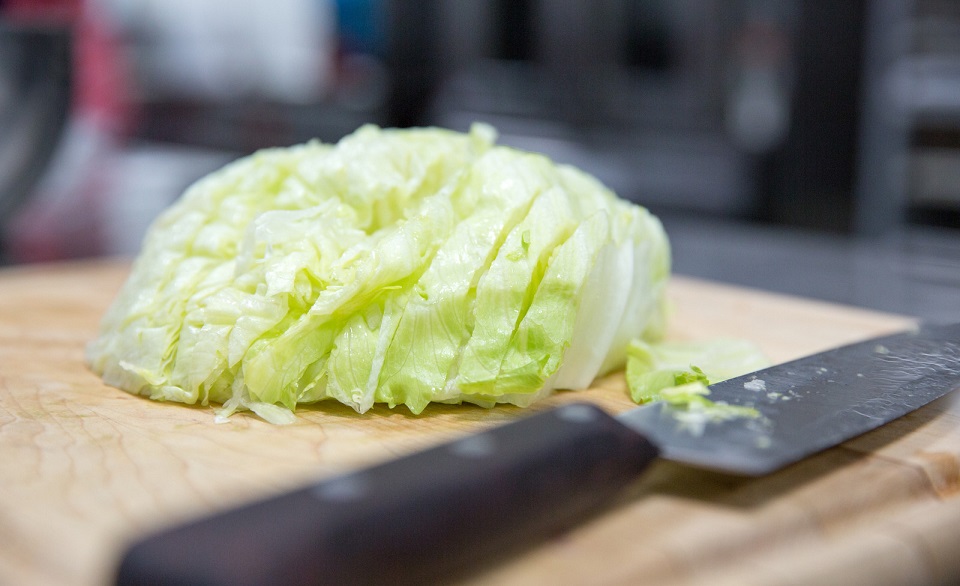
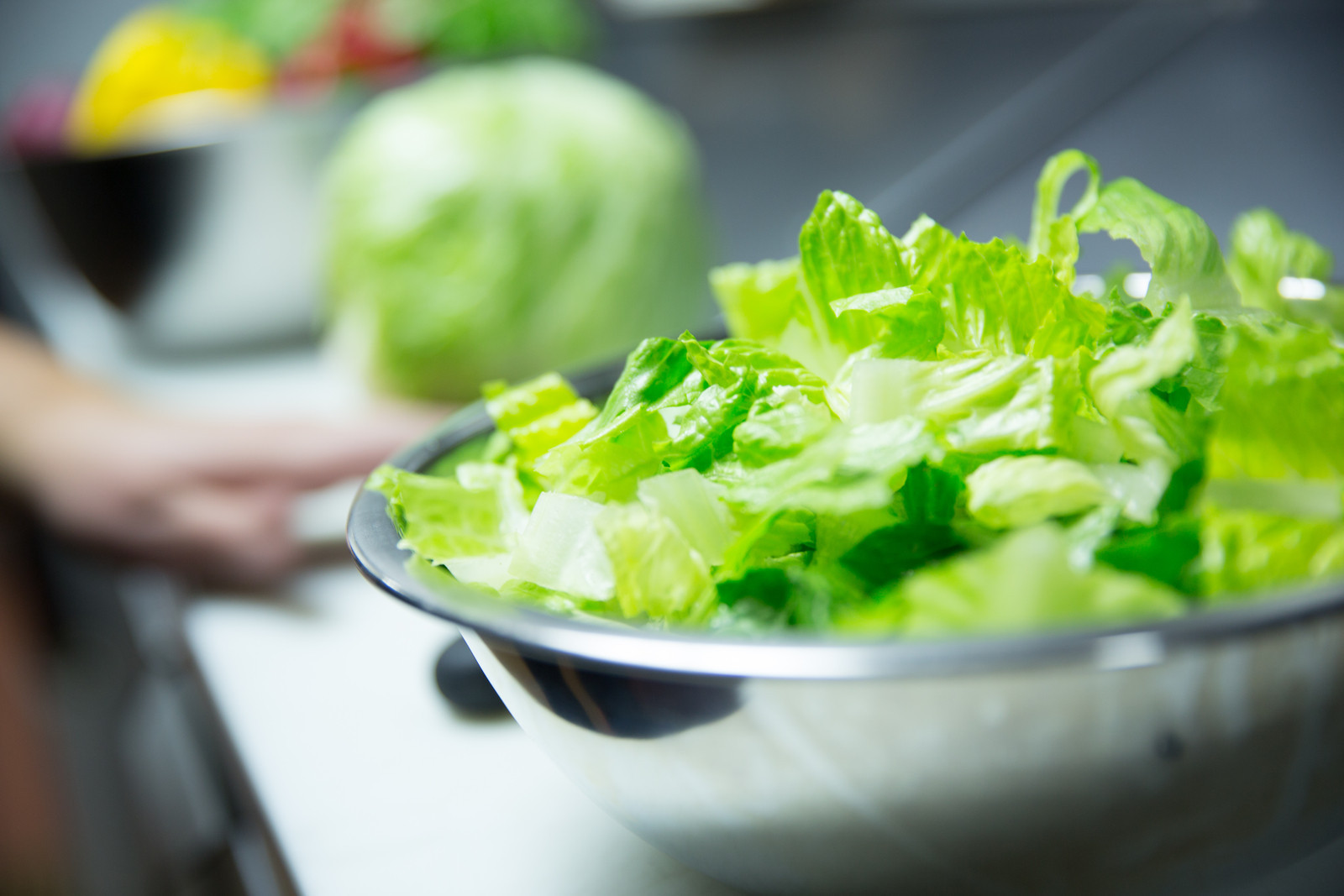
We have had several produce outbreaks of foodborne disease from our lettuce, spinach, and other greens in the last several years that have been devastating to the produce growers and distributors, retail grocery stores, restaurants, and consumers.
Food Packaging Safety in a Vacuum
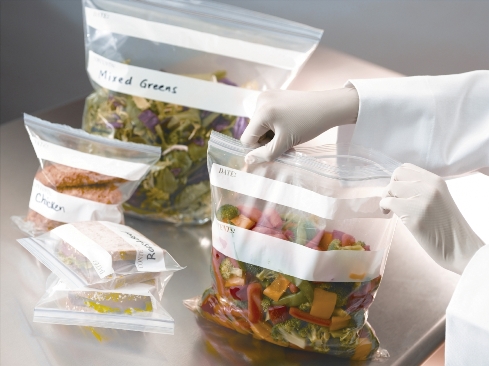
Extending the shelf life of fresh foods has come a long way in the food industry since curing meats with salt and sugar or canning vegetables with heat processing. The food service and consumer markets needed some better visual packages to draw the eye to the freshness factor and the technology of food packaging has filled our dinner plate. Vacuum packaging and modified atmosphere packaging, shortened to “MAP”, are the terms used for the method of food packaging used every time we choose convenience over more complex scratch meal preparation. According to industry statistics, billions of packages of vacuum and MAP-packaged foods flood the marketplace today. In both modified-atmosphere and vacuum packaging, food is packaged in a pouch made of barrier film.
The Eleven Commandments of Food Safety at Your Restaurant
Lists help us remember all kinds of information. Given the list of recent national foodborne outbreaks in the news, keep repeating this list to your food service team. They are kind of like “commandments”. As a professional in a food service facility we should think of the very basic food safety concepts that every crew member should aspire to learn, even though this list may have different priorities based on your menu. The first 3 apply to anyone who serves food, from a bag of popcorn to a full course meal. As chefs or managers, if we can “set the example” by repeating good food safety practices visibly to the crew, it will help them understand how important it is to the success of your facility. Thou shalt:

The Worst Customer Complaint: Foodborne Illness
Food service managers and crew try to follow the rules of food protection. Yet, occasionally a complaint may arise and these calls take priority over all other daily crises. If you have been in the food service industry long enough, you may have gotten one of these. A customer may claim, "I think your food made me ill." These words inflict instant anxiety. If it happens, here are some next steps to think about in advance of such a claim: