
The FDA Food Code Requirement for the Person in Charge
Every restaurant has someone running the show during any given shift. The FDA Food Code has a name for that person, the Person in Charge (PIC), and it has a very specific set of obligations attached to the role.
Sections 2-101 and 2-103 define who the PIC is, what they must know, and what they’re personally responsible for during every hour of operation. A few weeks ago, I had the opportunity to participate in a question review for a licensed food safety exam provider, and we had a rich discussion about the PIC requirement and its implications for operators. Each person on the call had somewhat similar thoughts about the provision, but they also differed a bit. Thus, I thought digging into this requirement might make an interesting blog post.
The PIC is the individual present at a food establishment who is responsible for the operation at the time of inspection. Two details matter here: the PIC must be physically present, and the role rotates with each operating period. If the general manager goes home and the closing manager is the most senior person in the building, that manager is the PIC, with all the obligations that come with it.
Does the person have to be a “manager”? In other words, could you appoint a lead cook or a shift lead to serve as the PIC? Absolutely! The food code does not attach a specific title to the person in charge. Any lead employee could serve as a PIC if they meet the knowledge requirements under the code.
The Food Code doesn’t just require someone to be in charge who simply assigns tasks and tells people when they can leave for the day. Rather, the PIC must demonstrate knowledge of foodborne illness prevention. That means they must either be a certified food protection manager or demonstrate knowledge by answering a health inspector’s questions during an inspection.
In practice, your PIC should be able to speak confidently about proper cooking, holding, and cooling temperatures; the employee health policy; allergen information for your menu; and the specific food safety controls in your operation.
…The most important food safety tool in any kitchen isn’t a thermometer, it’s a knowledgeable, present, engaged PIC…
- Employees are properly trained in food safety and allergen awareness before working independently.
- The employee health reporting system is functioning, meaning that staff know to report symptoms and diagnoses to the PIC, and the PIC knows what to do with those reports.
- New hires are screened for relevant health conditions before they start handling food.
- Handwashing practices are actively monitored, not just assumed.
- Foods are received from approved suppliers, are received at correct temperatures, and are protected from contamination.
- Ill employees are kept away from food, even if they haven’t self-reported.
- Cross-contamination is controlled through proper storage, equipment use, and product flow.
- Temperature requirements are met for cold holding, hot holding, cooking, cooling, and thawing.
- Sanitizing solutions are at proper concentration, are actively monitored, and are properly used.
When a health inspector arrives, they identify the PIC first. Every question, every finding, and every corrective action runs through that person. A PIC who can’t answer knowledge questions or locate documentation is demonstrating non-compliance in real time, and that’s a violation in itself.
The PIC requirement isn’t bureaucratic overhead. It’s built on a simple, evidence-based insight: when someone knowledgeable is consistently in charge of food safety, outbreaks are less likely to happen. During a busy service with dozens of meals going out every hour, there are hundreds of food safety decision points. The PIC is the person whose job it is to actively think about each of them. The most important food safety tool in any kitchen isn’t a thermometer; it’s a knowledgeable, present, engaged PIC.
These sections are among the most consequential in the entire code and treating them as a box to check won’t move the needle on food safety. The operators who truly embrace the PIC requirement, those who understand why it exists and make sure they have a real food safety champion on every shift, are the ones protecting their customers, not just skating by to appease regulators. Risk Nothing.
READ MORE POSTS
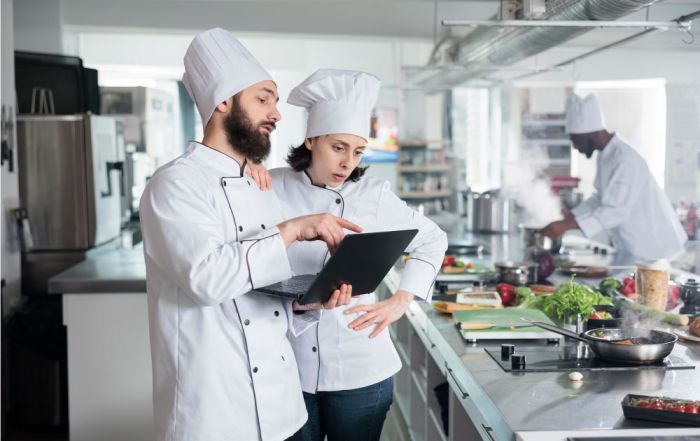
During National Food Safety Education Month is it time for Your Food Safety Refresher?
You see them in every restaurant and commercial foodservice operation across the United States. Framed and proudly displayed, often by the kitchen, the cashier, the kitchen entrance, or the service counter - just as they should be. To what am I referring? The food safety certification certificates, of course!
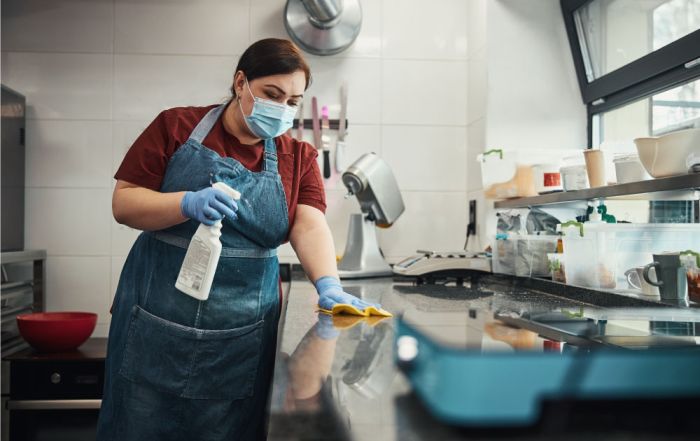
Welcome to National Food Safety Education Month!
In September of each year, we not only have the opportunity to celebrate Labor Day, but we also welcome National Food Safety Education Month! It is this time of the year when it is important to remember that Foodborne illnesses are still a major concern in the United States, although I am guessing many Americans don’t think about the safety of the food they eat as they go throughout their daily lives. The statistics show one in every six Americans will suffer from a foodborne illness each year, for a total of about 48 million cases each year.
Protecting Fresh Produce Post-Harvest, Integral to Safe Food
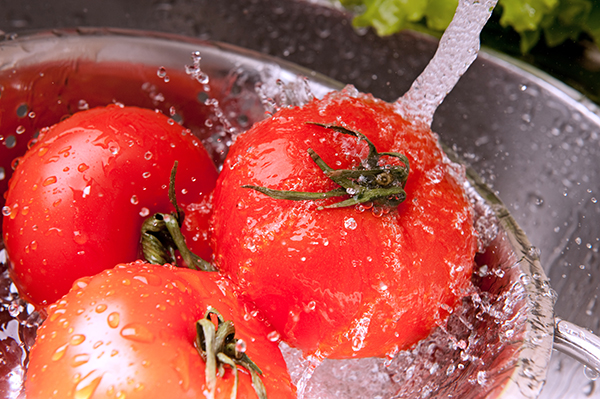
During the height of the summer, at least in the Midwest, farmers markets are in full swing and fresh produce is plentiful. Every backyard gardener is reaping the benefits of their work, with bountiful harvests of tomatoes and cucumbers. Everyone seems to have a neighbor who is trying to pawn off his or her over-production of cucumbers or summer squash during this time of year. When picking up that produce at the farmer’s market or from your neighbor down the street, have you ever given any thought to the microbial safety of it? Honestly, even in my position, it certainly is NOT the first thing that comes to my mind. But, earlier this month, I came across a news story out of Wisconsin discussing a Salmonella outbreak associated with shelled peas sold at a local farmers market. Who would have thought shelled peas would be impacted? The story noted, and it served as a great reminder, that most outbreaks associated with Salmonella in produce are due to mistakes made in handling or transportation of produce after harvesting.
Properly Cleaning and Sanitizing: The Right Chemical Mix to Maintain Ultimate Effectiveness
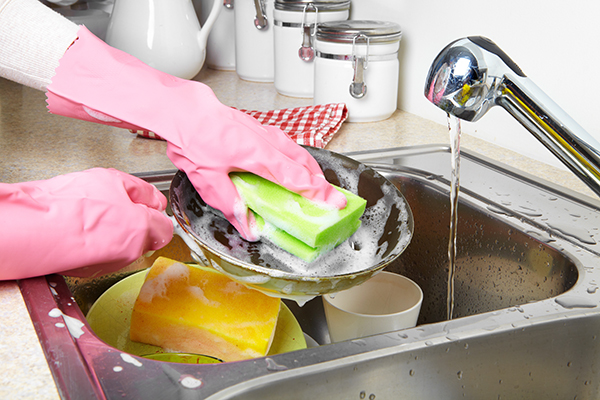
A few weeks ago, my family and I had the pleasure of setting sail on a cruise vacation. It is truly one of the only ways that I find that I am able to unplug from work and relax for a small spell. However, as I walked around the ship in our post-COVID world, I couldn’t help but admire all the extra cleaning steps the staff were undertaking to keep us all as safe as possible while in the middle of the ocean with 3,000 other vacationers. All of this cleaning and sanitizing had me thinking about how we each clean and sanitize our own operations and which chemicals we chose to use.