
PanPals®: A Smart Solution for Restaurants Facing Labor Shortages
The restaurant industry continues to face a growing challenge: understaffing. According to recent industry reporting, labor shortages are not only costly for operators but are also expected to persist—and potentially worsen over time.
For restaurant teams already stretched thin, this creates ongoing pressure to maintain efficiency, cleanliness, and food safety standards with fewer hands on deck.
So where can operators make an immediate impact?
The Hidden Cost of Cleanup
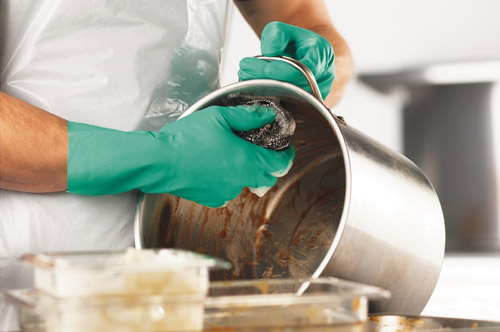
One of the most time-consuming tasks in any kitchen is cleaning pans, trays, and containers. When staffing is limited, these responsibilities can slow down service, increase labor costs, and pull employees away from higher-value tasks.
In an environment where every minute counts, reducing cleanup time can make a meaningful difference.
Your Best Pal in the Kitchen
PanPals® are designed to help restaurants simplify cleanup and reduce labor demands.
Made from durable nylon, PanPals® can withstand temperatures from -50º to 400º and are available in a variety of sizes to fit everything from soup kettles to full-size hotel pans.
By incorporating PanPals® into daily operations, kitchens can:
- Reduce cleaning time significantly
- Lower water, electricity, and chemical usage
- Prevent grease and food from clogging drains
- Improve overall efficiency with smaller teams
Working Smarter in a Labor-Challenged Industry
With understaffing continuing to impact the industry, solutions that streamline operations are more valuable than ever.
PanPals® allow staff to spend less time scrubbing and more time focusing on food preparation and customer experience—helping restaurants maintain standards even with limited labor.
See the Impact for Yourself
Want to know how much your operation could save in time and cost?
Explore PanPals® and use the savings calculator:
https://foodhandler.com/panpals-no-mess-easy-cleanup-high-heat-pan-liners-and-bags/
References: https://www.restaurantbusinessonline.com/workforce/understaffing-restaurants-costly-likely-get-worse
READ MORE POSTS
Be Aware When You Prepare – Food Prep Tips
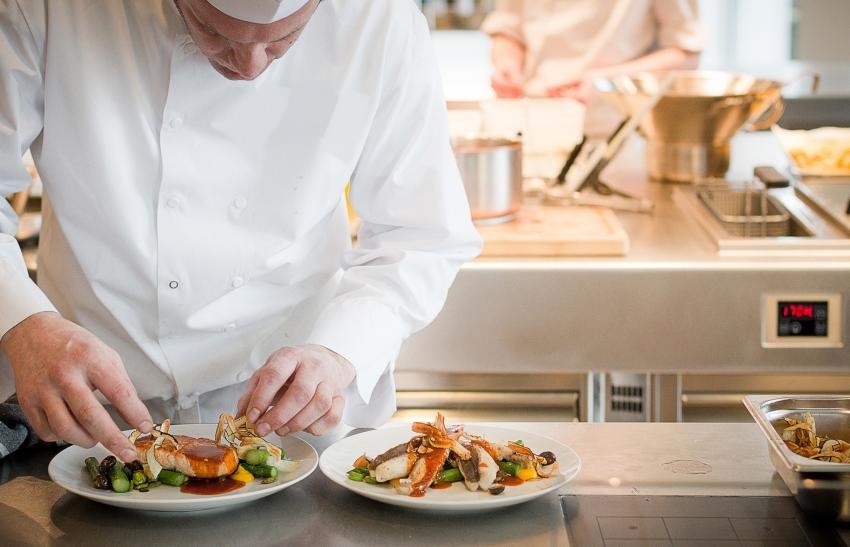
The subject of food preparation covers some very broad, basic principles within food safety, with many steps associated with “risk” in some recipes. Certainly, preparation steps are where the most mistakes have occurred if a foodborne illness should occur. Outbreaks usually happen when more than one mistake occurs during prep, but sometimes it only takes one. Cooking is the biggest risk for raw foods, but all foods become ready-to-eat foods at some point in final preparation steps and that’s where the most care is required.
Food Gloves & Latex Allergy Education
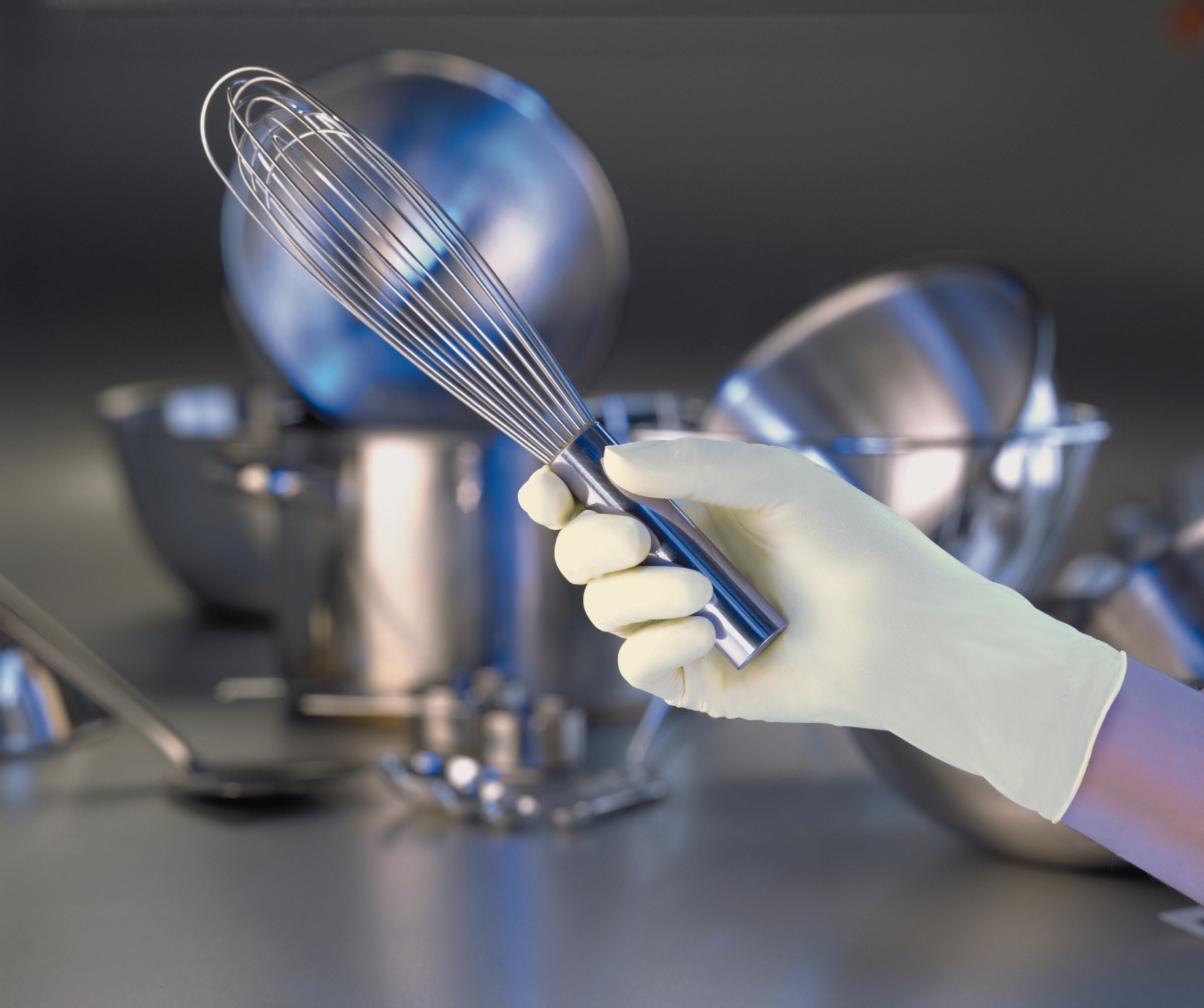
Politicians joke about the endless stretch of rubber chicken dinners they may consume in an election year. For people with a latex allergy, such a prospect may be no laughing matter. While latex serves as an effective barrier glove material and has the best fit because of its elasticity, the risks associated should not be ignored. The solution is not simple and many options are available for operators today. It should always be mentioned that handwashing (before putting on gloves) is always the primary barrier to contamination and gloves are considered a good secondary barrier.
Foodborne Illness Myths & Facts
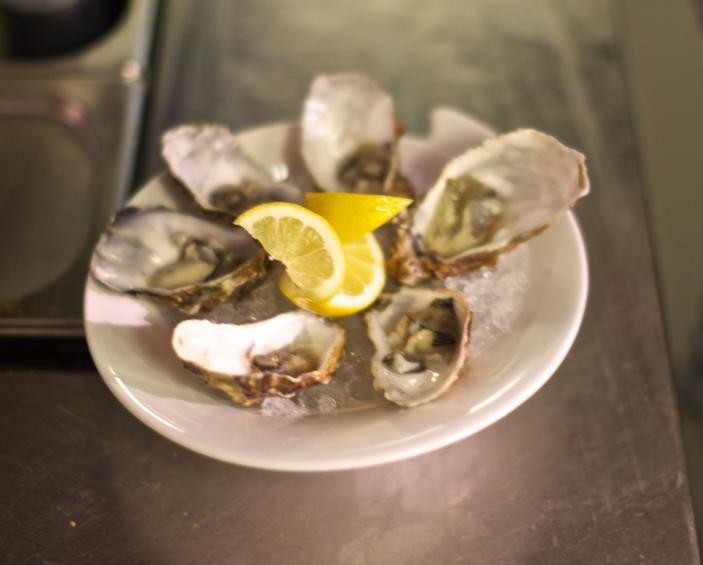
“It must have been something I ate.” That’s the typical statement when a person develops some relatively minor symptoms from food. Maybe not severe enough to go to the doctor so you choose to tough it out without medical care. Sudden onset of flu-like symptoms such as onset of stomach cramps, diarrhea, vomiting and fever could possibly mean you are the victim of a foodborne illness. The illness is sometimes referred to as “food poisoning”, but it’s often misdiagnosed.
Don’t Compromise: Clean and Sanitize
The subject is cleaning and sanitizing. Chefs, food service directors, managers and staff try to practice safe food-handling at every turn in the kitchen. Don’t let that effort go down the drain by slacking off on the many aspects of sanitation. That includes dish and ware-washing techniques (pots, pans, equipment), and cleaning all the areas that give us that “neat as a pin” appearance in your customers eyes. Customers seldom fail to bring that soiled silverware or glass with lipstick on it to the attention of the manager or wait staff. Improperly cleaning and sanitizing of food contact equipment does allow transmission of pathogenic microorganisms to food and ultimately our customer.