
PanPals®: A Smart Solution for Restaurants Facing Labor Shortages
The restaurant industry continues to face a growing challenge: understaffing. According to recent industry reporting, labor shortages are not only costly for operators but are also expected to persist—and potentially worsen over time.
For restaurant teams already stretched thin, this creates ongoing pressure to maintain efficiency, cleanliness, and food safety standards with fewer hands on deck.
So where can operators make an immediate impact?
The Hidden Cost of Cleanup
One of the most time-consuming tasks in any kitchen is cleaning pans, trays, and containers. When staffing is limited, these responsibilities can slow down service, increase labor costs, and pull employees away from higher-value tasks.
In an environment where every minute counts, reducing cleanup time can make a meaningful difference.
Your Best Pal in the Kitchen
PanPals® are designed to help restaurants simplify cleanup and reduce labor demands.
Made from durable nylon, PanPals® can withstand temperatures from -50º to 400º and are available in a variety of sizes to fit everything from soup kettles to full-size hotel pans.
By incorporating PanPals® into daily operations, kitchens can:
- Reduce cleaning time significantly
- Lower water, electricity, and chemical usage
- Prevent grease and food from clogging drains
- Improve overall efficiency with smaller teams
Working Smarter in a Labor-Challenged Industry
With understaffing continuing to impact the industry, solutions that streamline operations are more valuable than ever.
PanPals® allow staff to spend less time scrubbing and more time focusing on food preparation and customer experience—helping restaurants maintain standards even with limited labor.
See the Impact for Yourself
Want to know how much your operation could save in time and cost?
Explore PanPals® and use the savings calculator:
https://foodhandler.com/panpals-no-mess-easy-cleanup-high-heat-pan-liners-and-bags/
References: https://www.restaurantbusinessonline.com/workforce/understaffing-restaurants-costly-likely-get-worse
READ MORE POSTS
The Cold Chain in the Hot Summer Months
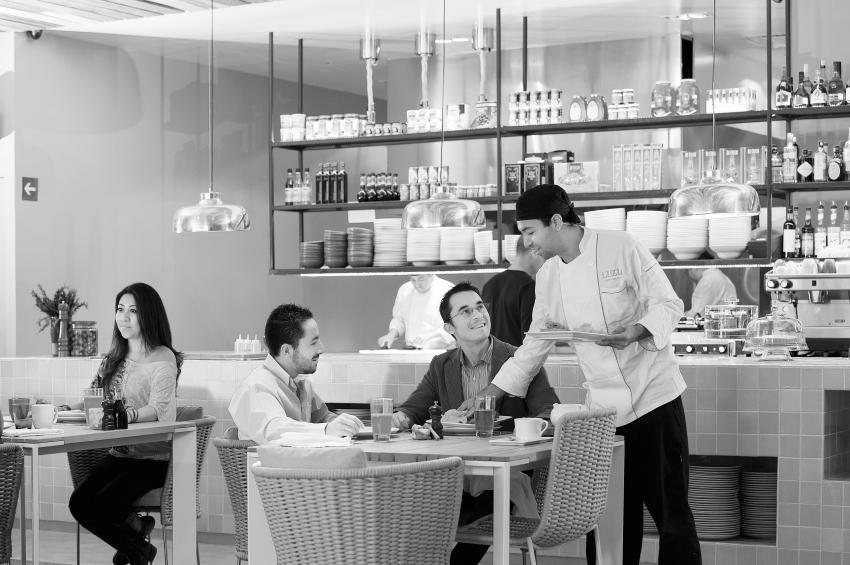
Keeping foods at proper cold holding temperatures (between 28°F and 41°F maximum or 0°F for frozen food) from the food manufacturers to your customers has to be one of our strongest links to safe food. Sometimes that is referred to in the food industry as “maintaining the COLD CHAIN”. Any slip ups in the cold chain, and we have a weak link. If you accept the food, you have greatly increased your foodborne illness risk and compromised your food quality.
Routes of Foodborne Illness & Germs
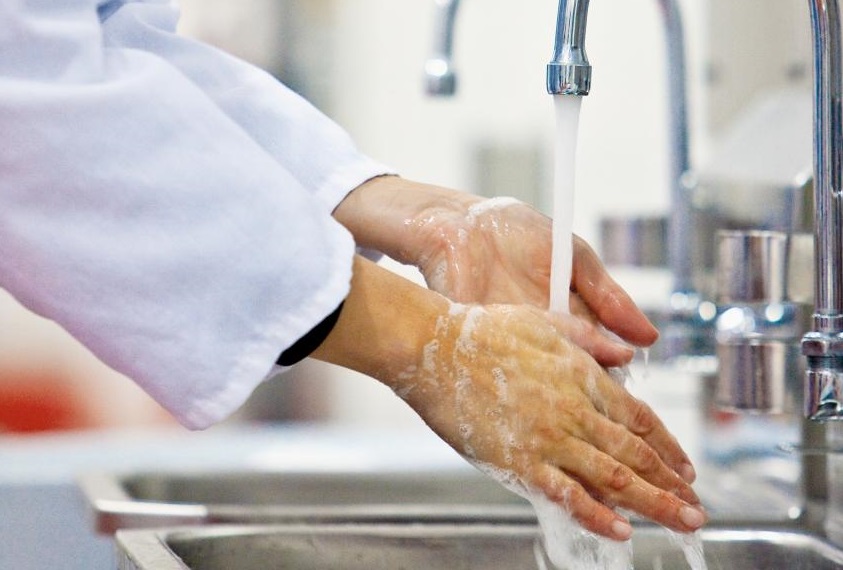
From your sniffling coworker to the raw chicken on your kitchen cutting board, everyday life is full of potential infectious hazards. With germs so common and seemingly everywhere, knowing how germs spread is vital to preventing infection and foodborne illness. There are seven possible ways for the transmission of bacteria and viruses to take place. Although some of these microorganisms in our environment are good for us and protect us, disease causing pathogens are the germs or bad guys.
Handling Leafy Green Salad
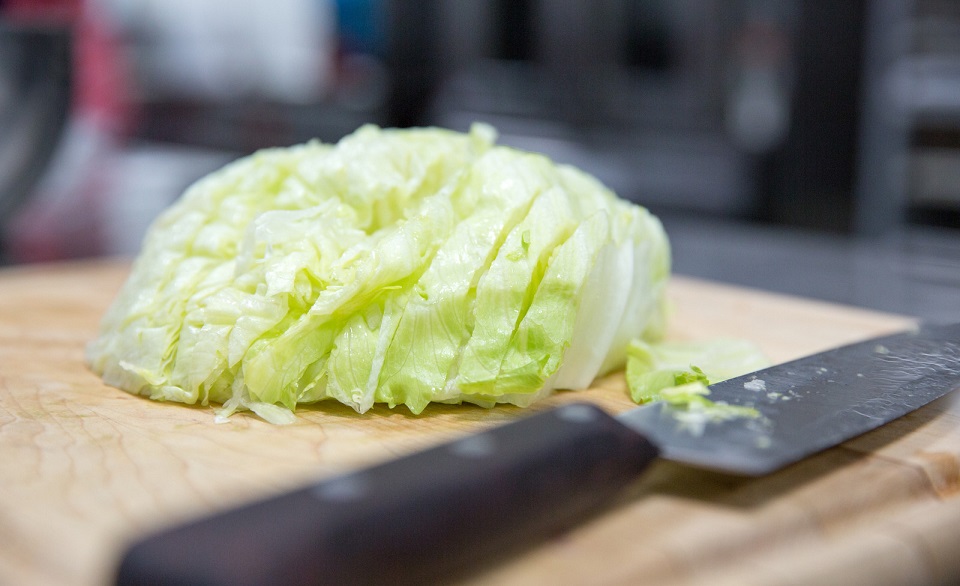
We have had several produce outbreaks of foodborne disease from our lettuce, spinach, and other greens in the last several years that have been devastating to the produce growers and distributors, retail grocery stores, restaurants, and consumers.
Food Packaging Safety in a Vacuum
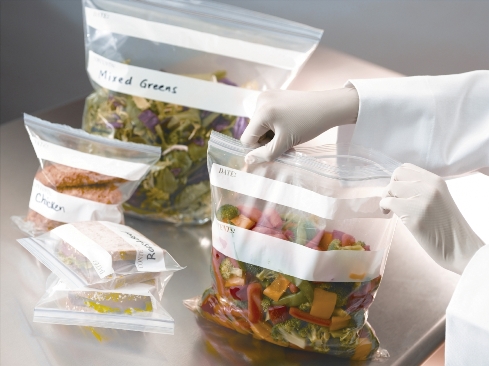
Extending the shelf life of fresh foods has come a long way in the food industry since curing meats with salt and sugar or canning vegetables with heat processing. The food service and consumer markets needed some better visual packages to draw the eye to the freshness factor and the technology of food packaging has filled our dinner plate. Vacuum packaging and modified atmosphere packaging, shortened to “MAP”, are the terms used for the method of food packaging used every time we choose convenience over more complex scratch meal preparation. According to industry statistics, billions of packages of vacuum and MAP-packaged foods flood the marketplace today. In both modified-atmosphere and vacuum packaging, food is packaged in a pouch made of barrier film.