

PanPals®: A Smart Solution for Restaurants Facing Labor Shortages
The restaurant industry continues to face a growing challenge: understaffing. According to recent industry reporting, labor shortages are not only costly for operators but are also expected to persist—and potentially worsen over time.
For restaurant teams already stretched thin, this creates ongoing pressure to maintain efficiency, cleanliness, and food safety standards with fewer hands on deck.
So where can operators make an immediate impact?
The Hidden Cost of Cleanup
One of the most time-consuming tasks in any kitchen is cleaning pans, trays, and containers. When staffing is limited, these responsibilities can slow down service, increase labor costs, and pull employees away from higher-value tasks.
In an environment where every minute counts, reducing cleanup time can make a meaningful difference.
Your Best Pal in the Kitchen
PanPals® are designed to help restaurants simplify cleanup and reduce labor demands.
Made from durable nylon, PanPals® can withstand temperatures from -50º to 400º and are available in a variety of sizes to fit everything from soup kettles to full-size hotel pans.
By incorporating PanPals® into daily operations, kitchens can:
- Reduce cleaning time significantly
- Lower water, electricity, and chemical usage
- Prevent grease and food from clogging drains
- Improve overall efficiency with smaller teams
Working Smarter in a Labor-Challenged Industry
With understaffing continuing to impact the industry, solutions that streamline operations are more valuable than ever.
PanPals® allow staff to spend less time scrubbing and more time focusing on food preparation and customer experience—helping restaurants maintain standards even with limited labor.
See the Impact for Yourself
Want to know how much your operation could save in time and cost?
Explore PanPals® and use the savings calculator:
https://foodhandler.com/panpals-no-mess-easy-cleanup-high-heat-pan-liners-and-bags/
References: https://www.restaurantbusinessonline.com/workforce/understaffing-restaurants-costly-likely-get-worse
READ MORE POSTS
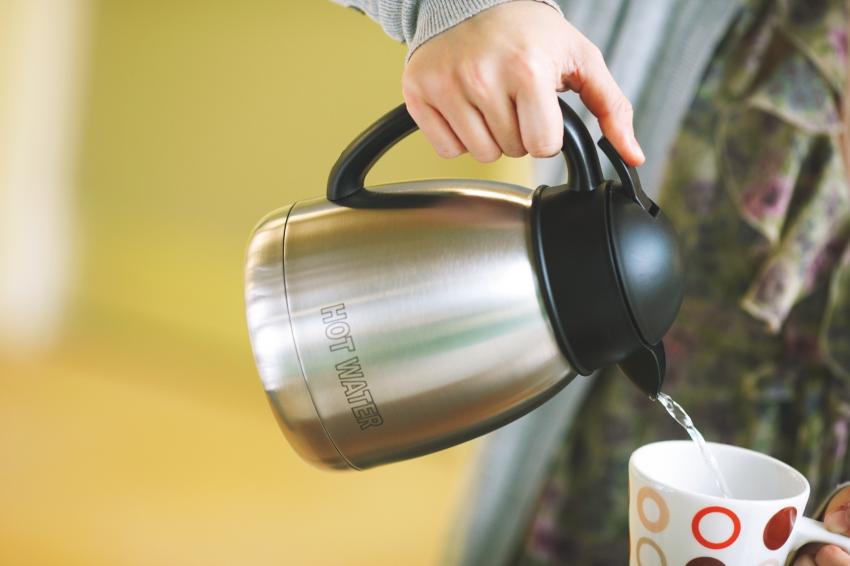
Fetching a Pail of Good, Safe Water
In the ambitious fight for food safety, don’t overlook the safety and quality of the crystal clear liquid coming out of your faucet. The United States has controls in place to ensure we have potable (safe) water that is treated and filtered to make it taste better and have no odor. Water standards and treatment are also important in food service so we don’t need a repairman twice a year to chip away the block of lime on the dishwashers heating element with a hammer and chisel in order to replace it.

Food Safety for Pork – Part 2
Continued from part 1...
Food Safety for Pork – Part 1
If you haven’t tasted pork lately because you are not a red meat fan (or the other white meat), there are a few changes in the nutritional value of pork, the pork cooking temperatures, and the variety of ways we consume it. The amount of pork the average American consumes hovers around 50 pounds a year. Although pork is the number one meat consumed in the world, there are some religious restrictions on consumption of pork. U.S. consumption of pork dropped during the 1970s, largely because its high fat content caused health-conscious Americans to choose leaner meats. Today's hogs have much less fat due to improved genetics, breeding and feeding.