

PanPals®: A Smart Solution for Restaurants Facing Labor Shortages
The restaurant industry continues to face a growing challenge: understaffing. According to recent industry reporting, labor shortages are not only costly for operators but are also expected to persist—and potentially worsen over time.
For restaurant teams already stretched thin, this creates ongoing pressure to maintain efficiency, cleanliness, and food safety standards with fewer hands on deck.
So where can operators make an immediate impact?
The Hidden Cost of Cleanup
One of the most time-consuming tasks in any kitchen is cleaning pans, trays, and containers. When staffing is limited, these responsibilities can slow down service, increase labor costs, and pull employees away from higher-value tasks.
In an environment where every minute counts, reducing cleanup time can make a meaningful difference.
Your Best Pal in the Kitchen
PanPals® are designed to help restaurants simplify cleanup and reduce labor demands.
Made from durable nylon, PanPals® can withstand temperatures from -50º to 400º and are available in a variety of sizes to fit everything from soup kettles to full-size hotel pans.
By incorporating PanPals® into daily operations, kitchens can:
- Reduce cleaning time significantly
- Lower water, electricity, and chemical usage
- Prevent grease and food from clogging drains
- Improve overall efficiency with smaller teams
Working Smarter in a Labor-Challenged Industry
With understaffing continuing to impact the industry, solutions that streamline operations are more valuable than ever.
PanPals® allow staff to spend less time scrubbing and more time focusing on food preparation and customer experience—helping restaurants maintain standards even with limited labor.
See the Impact for Yourself
Want to know how much your operation could save in time and cost?
Explore PanPals® and use the savings calculator:
https://foodhandler.com/panpals-no-mess-easy-cleanup-high-heat-pan-liners-and-bags/
References: https://www.restaurantbusinessonline.com/workforce/understaffing-restaurants-costly-likely-get-worse
READ MORE POSTS
Refrigeration Tips to Keep Your Food Safe
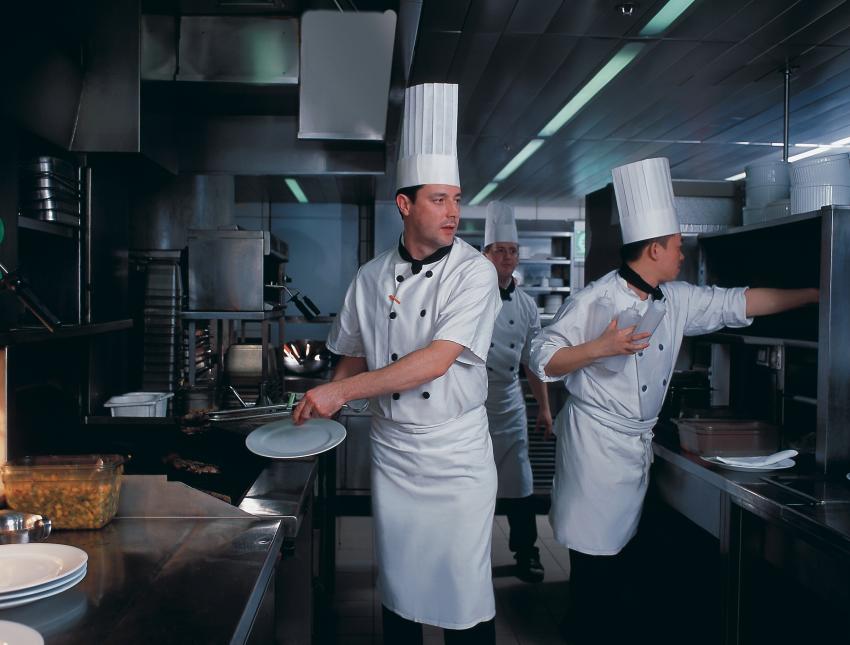
A refrigerator is one of the most important pieces of kitchen equipment for keeping foods safe. In a food service environment, our existence depends on the cooling equipment. The science of refrigeration has evolved from prehistoric times when man found his wild game would last longer packed in the coolness of a cave or packed in snow. Our ancestors harvested ice to keep food cold. Now, if the power goes off, we are instantly reminded of the refrigerator’s importance to our daily life, at home and certainly in a food service facility.
Food Service Hand Hygiene: Basic Handwashing – Part II
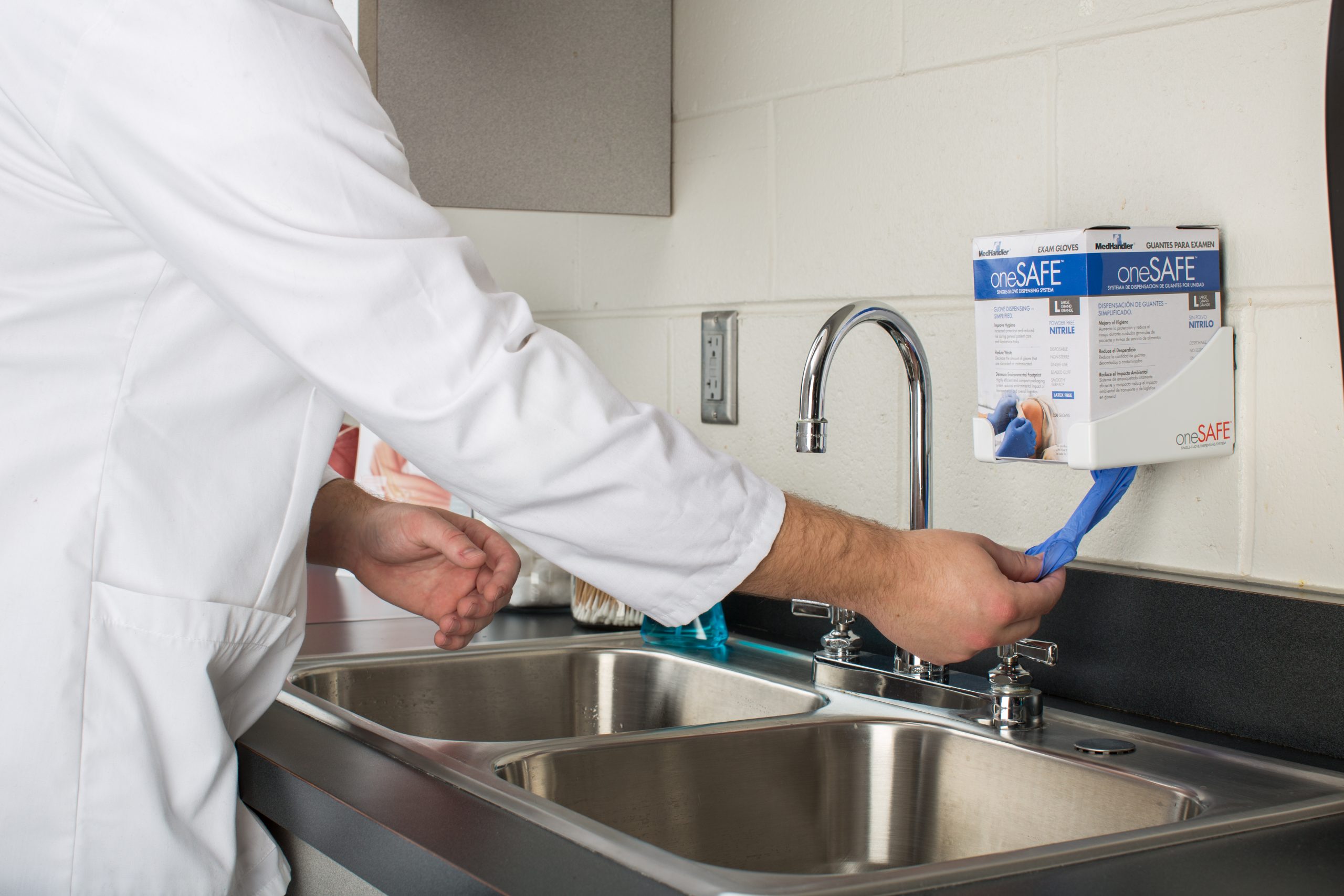
Ignoring handwashing as a priority is easy until faced with a crippling lawsuit. Your risk of transmitting a foodborne disease via a food workers hands will never be zero, but the good news is training your crew about handwashing is not complicated. Molding behavior to do it at the right time, using the correct method is the tough part. The Centers for Disease Control & Prevention says the single most effective way to stop the spread of infection is through handwashing. Last month’s article was on the physical equipment to help get better handwashing compliance. The most important part is the practice of the basic handwashing steps:

The Physical Elements of Food Service Hand Hygiene – Part I
September is National Food Safety Education Month and the theme has a rhyme to it – “Keep Hands Clean with Good Hygiene”. Hand washing is one of the public’s best defenses against the spread of both common and rare, even life-threatening, diseases including those caused by food, and against gastrointestinal infections caused by such organisms as the Norovirus, which plagues the cruise ship industry and food service in general.
The Incredible, Edible Egg Safety Quiz
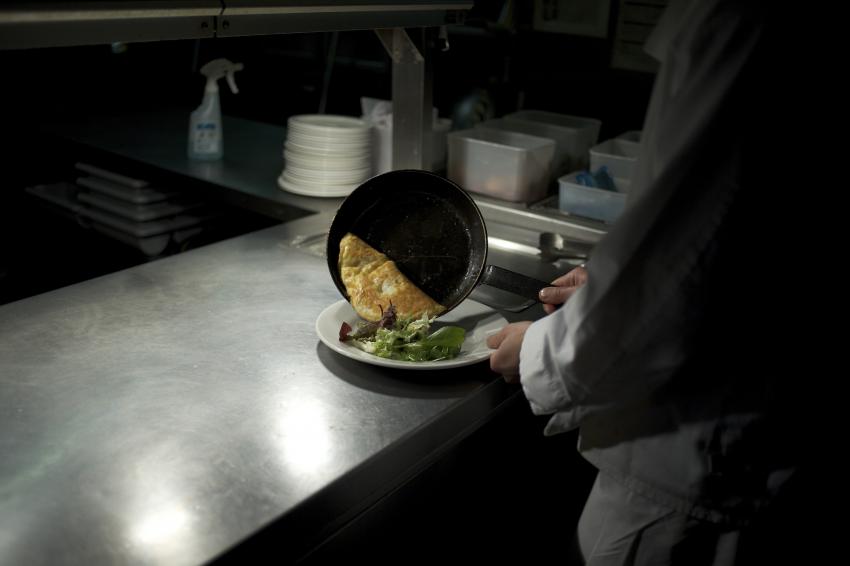
This nutritious, delicate food is a part of many food service menus as a main course and one of the most common ingredients. The U.S. Dept. of Agriculture says Americans consume an average of 234 eggs per person per year. Eggs have also been the source of some significant foodborne outbreaks in the U.S. from one specific type of Salmonella. While eggs are an important source of protein in the diet, an estimated 1 in 20,000 eggs in the U.S. supply will contain the SE (Salmonella Enteritidis) bacteria and can cause illness if eaten raw in foods or not thoroughly cooked before consumption.