
PanPals®: A Smart Solution for Restaurants Facing Labor Shortages
The restaurant industry continues to face a growing challenge: understaffing. According to recent industry reporting, labor shortages are not only costly for operators but are also expected to persist—and potentially worsen over time.
For restaurant teams already stretched thin, this creates ongoing pressure to maintain efficiency, cleanliness, and food safety standards with fewer hands on deck.
So where can operators make an immediate impact?
The Hidden Cost of Cleanup
One of the most time-consuming tasks in any kitchen is cleaning pans, trays, and containers. When staffing is limited, these responsibilities can slow down service, increase labor costs, and pull employees away from higher-value tasks.
In an environment where every minute counts, reducing cleanup time can make a meaningful difference.
Your Best Pal in the Kitchen
PanPals® are designed to help restaurants simplify cleanup and reduce labor demands.
Made from durable nylon, PanPals® can withstand temperatures from -50º to 400º and are available in a variety of sizes to fit everything from soup kettles to full-size hotel pans.
By incorporating PanPals® into daily operations, kitchens can:
- Reduce cleaning time significantly
- Lower water, electricity, and chemical usage
- Prevent grease and food from clogging drains
- Improve overall efficiency with smaller teams
Working Smarter in a Labor-Challenged Industry
With understaffing continuing to impact the industry, solutions that streamline operations are more valuable than ever.
PanPals® allow staff to spend less time scrubbing and more time focusing on food preparation and customer experience—helping restaurants maintain standards even with limited labor.
See the Impact for Yourself
Want to know how much your operation could save in time and cost?
Explore PanPals® and use the savings calculator:
https://foodhandler.com/panpals-no-mess-easy-cleanup-high-heat-pan-liners-and-bags/
References: https://www.restaurantbusinessonline.com/workforce/understaffing-restaurants-costly-likely-get-worse
READ MORE POSTS
Protecting Fresh Produce Post-Harvest, Integral to Safe Food
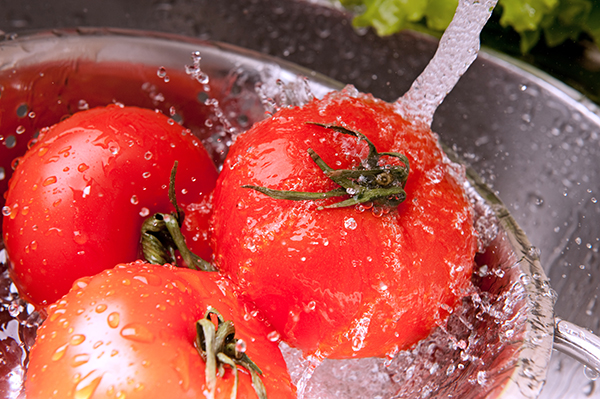
During the height of the summer, at least in the Midwest, farmers markets are in full swing and fresh produce is plentiful. Every backyard gardener is reaping the benefits of their work, with bountiful harvests of tomatoes and cucumbers. Everyone seems to have a neighbor who is trying to pawn off his or her over-production of cucumbers or summer squash during this time of year. When picking up that produce at the farmer’s market or from your neighbor down the street, have you ever given any thought to the microbial safety of it? Honestly, even in my position, it certainly is NOT the first thing that comes to my mind. But, earlier this month, I came across a news story out of Wisconsin discussing a Salmonella outbreak associated with shelled peas sold at a local farmers market. Who would have thought shelled peas would be impacted? The story noted, and it served as a great reminder, that most outbreaks associated with Salmonella in produce are due to mistakes made in handling or transportation of produce after harvesting.
Properly Cleaning and Sanitizing: The Right Chemical Mix to Maintain Ultimate Effectiveness
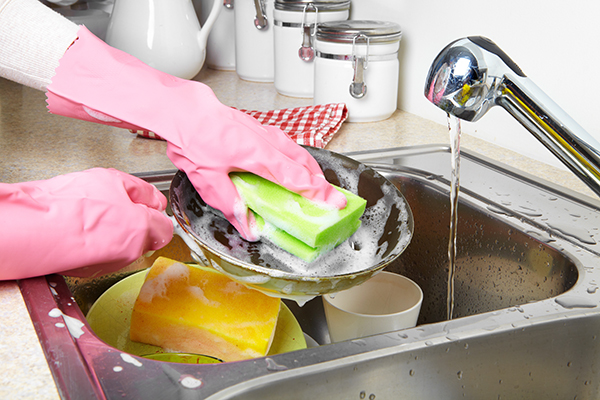
A few weeks ago, my family and I had the pleasure of setting sail on a cruise vacation. It is truly one of the only ways that I find that I am able to unplug from work and relax for a small spell. However, as I walked around the ship in our post-COVID world, I couldn’t help but admire all the extra cleaning steps the staff were undertaking to keep us all as safe as possible while in the middle of the ocean with 3,000 other vacationers. All of this cleaning and sanitizing had me thinking about how we each clean and sanitize our own operations and which chemicals we chose to use.
Proper Cooking Temperature: A Basic Food Safety Measure
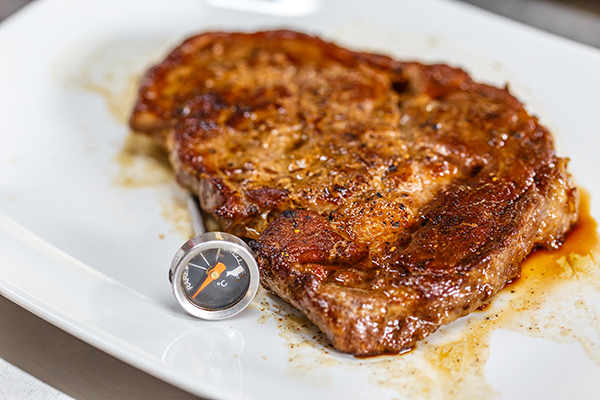
Each summer, we see an increase in the incidence of foodborne illnesses. Perhaps this is because of the warmer temperatures making temperature control for Time/Temperature Control for Safety (TCS) food more difficult or perhaps it is the increased amount of people who are barbequing this time of year – it is National Picnic Month, after all!
Changing Climate: The Unseen Impact on Food Safety
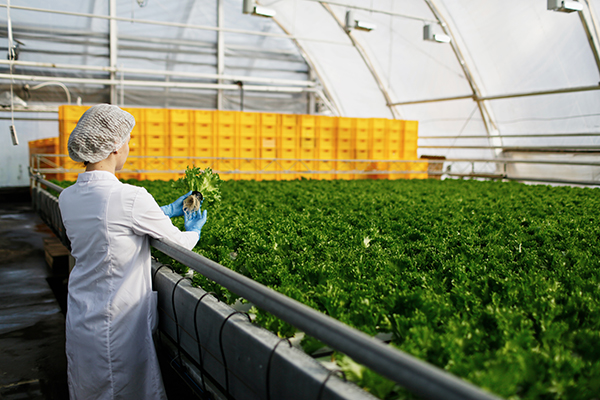
In June, I was asked to participate in the Allinfoodz podcast, put on by a colleague, Dr. Amit Sharma, at Penn State University. One of the points Dr. Sharma wanted to discuss was the impact of climate change on food safety, which is something I was certainly aware of, but not something I had done much research on. However, when preparing for the interview and podcast, it was interesting to learn more about the relationship between the two.