

PanPals®: A Smart Solution for Restaurants Facing Labor Shortages
The restaurant industry continues to face a growing challenge: understaffing. According to recent industry reporting, labor shortages are not only costly for operators but are also expected to persist—and potentially worsen over time.
For restaurant teams already stretched thin, this creates ongoing pressure to maintain efficiency, cleanliness, and food safety standards with fewer hands on deck.
So where can operators make an immediate impact?
The Hidden Cost of Cleanup
One of the most time-consuming tasks in any kitchen is cleaning pans, trays, and containers. When staffing is limited, these responsibilities can slow down service, increase labor costs, and pull employees away from higher-value tasks.
In an environment where every minute counts, reducing cleanup time can make a meaningful difference.
Your Best Pal in the Kitchen
PanPals® are designed to help restaurants simplify cleanup and reduce labor demands.
Made from durable nylon, PanPals® can withstand temperatures from -50º to 400º and are available in a variety of sizes to fit everything from soup kettles to full-size hotel pans.
By incorporating PanPals® into daily operations, kitchens can:
- Reduce cleaning time significantly
- Lower water, electricity, and chemical usage
- Prevent grease and food from clogging drains
- Improve overall efficiency with smaller teams
Working Smarter in a Labor-Challenged Industry
With understaffing continuing to impact the industry, solutions that streamline operations are more valuable than ever.
PanPals® allow staff to spend less time scrubbing and more time focusing on food preparation and customer experience—helping restaurants maintain standards even with limited labor.
See the Impact for Yourself
Want to know how much your operation could save in time and cost?
Explore PanPals® and use the savings calculator:
https://foodhandler.com/panpals-no-mess-easy-cleanup-high-heat-pan-liners-and-bags/
References: https://www.restaurantbusinessonline.com/workforce/understaffing-restaurants-costly-likely-get-worse
READ MORE POSTS
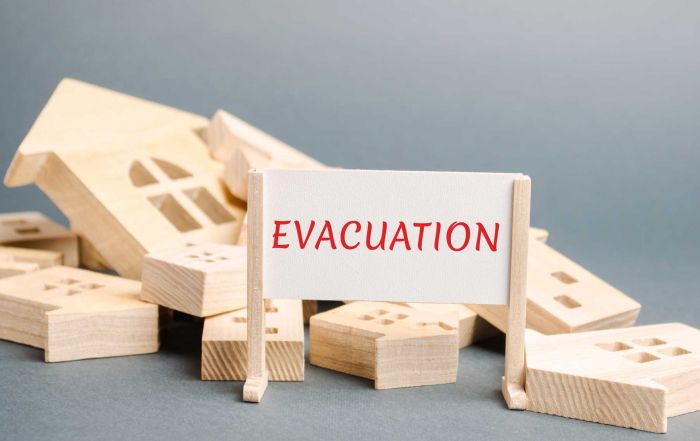
Emergency Preparedness: The Not-so Calm After the Storm
If you and your foodservice operation have been hit by an emergency or other disaster, what comes next and how do you move forward? Much of the answer to this is predicated on the actual disaster that you are dealing with – a flood is certainly a much different than a fire, but some of the food safety considerations remain the same if your business has been left intact and has not been damaged by the disaster.

Emergency Preparedness and Responding to a Disaster with Food Safety in Mind
As I write the first blog this month, the realities of the devastation in Florida are coming to light as we also deal with the aftermath of Hurricane Fiona, which impacted Puerto Rico late in September. Recent news has been focused on the recovery efforts for all who have been impacted. Thus, I thought it would be fitting this month to discuss emergency disaster planning resources in our first blog and delve into recovering from a disaster in our second blog later this month.

During National Food Safety Education Month is it time for Your Food Safety Refresher?
You see them in every restaurant and commercial foodservice operation across the United States. Framed and proudly displayed, often by the kitchen, the cashier, the kitchen entrance, or the service counter - just as they should be. To what am I referring? The food safety certification certificates, of course!

Welcome to National Food Safety Education Month!
In September of each year, we not only have the opportunity to celebrate Labor Day, but we also welcome National Food Safety Education Month! It is this time of the year when it is important to remember that Foodborne illnesses are still a major concern in the United States, although I am guessing many Americans don’t think about the safety of the food they eat as they go throughout their daily lives. The statistics show one in every six Americans will suffer from a foodborne illness each year, for a total of about 48 million cases each year.