
PanPals®: A Smart Solution for Restaurants Facing Labor Shortages
The restaurant industry continues to face a growing challenge: understaffing. According to recent industry reporting, labor shortages are not only costly for operators but are also expected to persist—and potentially worsen over time.
For restaurant teams already stretched thin, this creates ongoing pressure to maintain efficiency, cleanliness, and food safety standards with fewer hands on deck.
So where can operators make an immediate impact?
The Hidden Cost of Cleanup
One of the most time-consuming tasks in any kitchen is cleaning pans, trays, and containers. When staffing is limited, these responsibilities can slow down service, increase labor costs, and pull employees away from higher-value tasks.
In an environment where every minute counts, reducing cleanup time can make a meaningful difference.
Your Best Pal in the Kitchen
PanPals® are designed to help restaurants simplify cleanup and reduce labor demands.
Made from durable nylon, PanPals® can withstand temperatures from -50º to 400º and are available in a variety of sizes to fit everything from soup kettles to full-size hotel pans.
By incorporating PanPals® into daily operations, kitchens can:
- Reduce cleaning time significantly
- Lower water, electricity, and chemical usage
- Prevent grease and food from clogging drains
- Improve overall efficiency with smaller teams
Working Smarter in a Labor-Challenged Industry
With understaffing continuing to impact the industry, solutions that streamline operations are more valuable than ever.
PanPals® allow staff to spend less time scrubbing and more time focusing on food preparation and customer experience—helping restaurants maintain standards even with limited labor.
See the Impact for Yourself
Want to know how much your operation could save in time and cost?
Explore PanPals® and use the savings calculator:
https://foodhandler.com/panpals-no-mess-easy-cleanup-high-heat-pan-liners-and-bags/
References: https://www.restaurantbusinessonline.com/workforce/understaffing-restaurants-costly-likely-get-worse
READ MORE POSTS
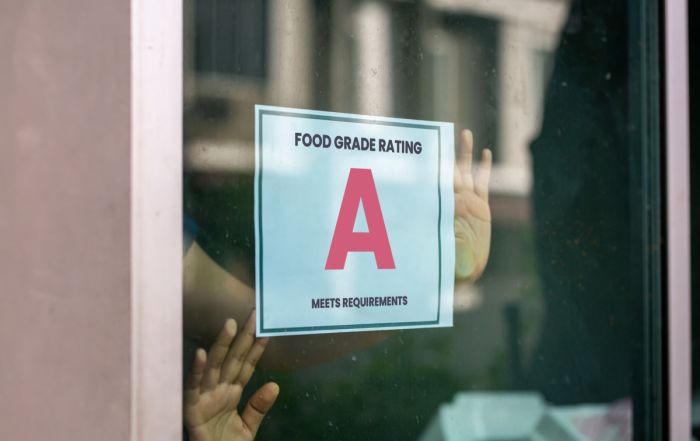
Are Grades for Foodservice Inspections a Good Idea?
I generally try to stay away from controversial topics in my blog, but this is one I thought it might be interesting to discuss. Occasionally on my travels, I will come across a state or a local jurisdiction that requires foodservice inspection scores be posted in the window of the establishment. The idea is to allow would-be customers the ability to see how the foodservice operation in which they are about to eat scored on their latest health inspection.
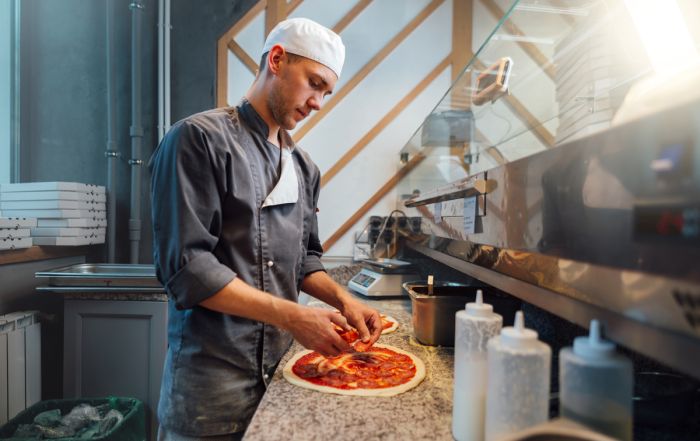
Neglected Safety: CDC Report Casts Doubts on the Ability of the Foodservice Industry to Ensure Ill Workers Stay at Home
Early in June, the Centers for Disease Control and Prevention released a report outlining foodborne illness outbreaks in retail foodservice establishments. The report outlined outbreaks from 25 state and local health departments from 2017 through 2019.

Keeping Food Safe While Serving Outdoors
This afternoon I met some friends for lunch and as I drove through our beautiful downtown area in Manhattan, KS, I noticed that many people were taking advantage of the gorgeous weather and dining outside with friends. For our local community - outdoor dining is one of the remnants of COVID that we actually have come to enjoy on beautiful days. With spring in full swing and summer just around the corner, many foodservice operations are taking advantage of the warm weather by offering outdoor dining options.

The Importance of Air Gaps in Providing Safe Food to All
Late last month, I was exploring job tasks that are important for entry-level foodservice managers to understand related to food safety. The usual items that you would suspect were on the list were certainly included – foodborne outbreaks; temperature danger zone; physical, biological, and chemical contamination; personal hygiene and proper glove use; HACCP systems, etc. But one thing I noticed was missing that really is integral to protecting the food supply in any foodservice operation is air gaps.