
HACCP Doesn’t Have to Be All or Nothing: Even Incremental Changes Can Have a Big Impact on your Food Safety Program
Most foodservice operators hear Hazard Analysis and Critical Control Point, otherwise known as “HACCP,” and picture binders full of flowcharts, scientific analyses, and regulatory paperwork. And while a full, formal plan can start to look exactly like that, the truth is that you don’t have to implement the entire system to benefit from HACCP principles. Even adopting pieces of the framework will reduce your risk of a foodborne illness outbreak.
Our colleagues who manage school foodservice operations are already well-versed in HACCP systems. School foodservice authorities participating in the National School Lunch or National School Breakfast program had to implement HACCP systems over 20 years ago. For those who don’t quite recall the fundamentals of HACCP, it is a systematic, science-based approach to identifying where biological, chemical, and physical hazards can impact your foodservice operation. Then, putting controls in place to prevent, eliminate, or reduce those hazards to safe levels. It was originally developed for NASA’s space food program and has since become the global gold standard for food safety.
The system is built around seven core principles: conducting a hazard analysis, identifying critical control points (CCPs), establishing critical limits, setting up monitoring procedures, defining corrective actions, implementing verification, and maintaining documentation.
…Perfect is the enemy of good in food safety…
If you’re running a restaurant, a catering company, a senior living dining program, or any other foodservice operation without a formal HACCP plan, you can still harness the power of this system right now. Here are a few ideas to get started:
Perfect is the enemy of good in food safety. A foodservice operation that monitors temperatures religiously, trains staff on handwashing and cross-contamination, and documents corrective actions is dramatically safer than one waiting to implement a “perfect” HACCP plan someday. Start with your highest-risk foods, build simple monitoring habits, and document what you do. Risk Nothing.
READ MORE POSTS
Foodborne Illness Myths & Facts
“It must have been something I ate.” That’s the typical statement when a person develops some relatively minor symptoms from food. Maybe not severe enough to go to the doctor so you choose to tough it out without medical care. Sudden onset of flu-like symptoms such as onset of stomach cramps, diarrhea, vomiting and fever could possibly mean you are the victim of a foodborne illness. The illness is sometimes referred to as “food poisoning”, but it’s often misdiagnosed.
Don’t Compromise: Clean and Sanitize
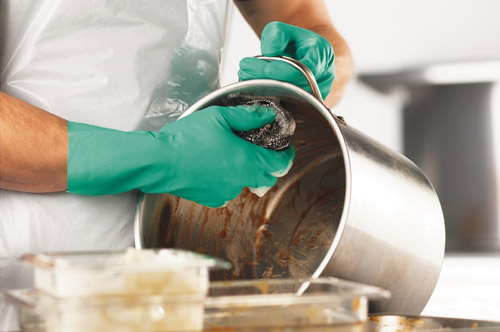
The subject is cleaning and sanitizing. Chefs, food service directors, managers and staff try to practice safe food-handling at every turn in the kitchen. Don’t let that effort go down the drain by slacking off on the many aspects of sanitation. That includes dish and ware-washing techniques (pots, pans, equipment), and cleaning all the areas that give us that “neat as a pin” appearance in your customers eyes. Customers seldom fail to bring that soiled silverware or glass with lipstick on it to the attention of the manager or wait staff. Improperly cleaning and sanitizing of food contact equipment does allow transmission of pathogenic microorganisms to food and ultimately our customer.
The Route to Safer Fresh Fruits and Vegetables
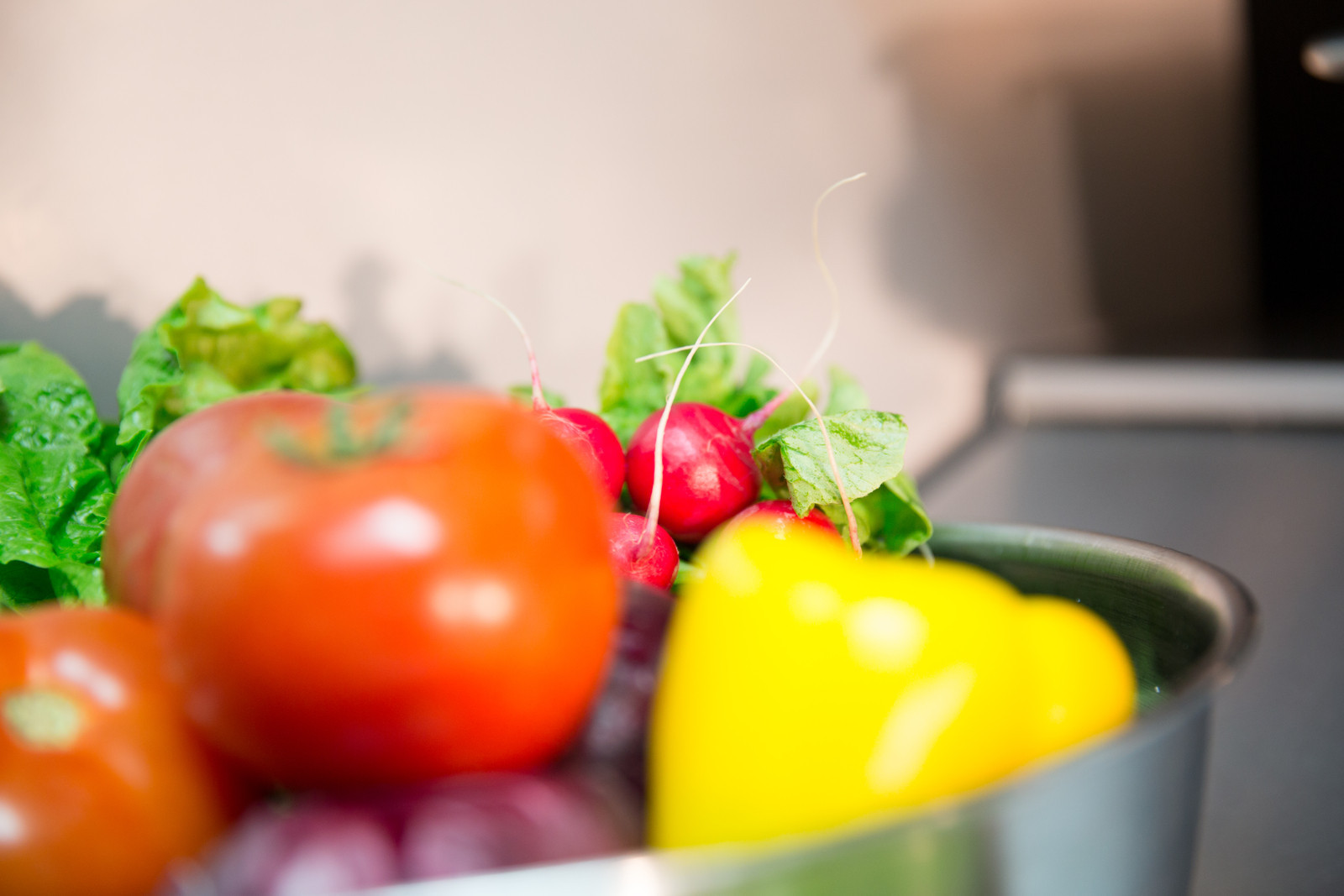
Although fruits and vegetables are one of the healthiest foods sources in our diet, we continue to have foodborne disease outbreaks of significance from produce, sometimes affecting large groups of people in multiple states because of their wide distribution. The CDC estimates that fresh produce now causes a huge number of foodborne illness outbreaks in the United States. Produce needs our continued food safety efforts at the restaurant level as well as at the stages in agricultural production. Occasionally, fresh fruits and vegetables can become contaminated with harmful bacteria or viruses, such as Salmonella, E. coli 0157:H7, Norovirus, and Hepatitis A. This contamination can occur at any point from the field to our table. If eaten, contaminated fruits and vegetables can cause foodborne illness.

Be Cool, Chill Out, Refrigerate Promptly!
The Cold Chain -- Keeping perishable foods at proper cold holding temperatures (between 28°F and 41°F maximum or 0°F for frozen food) from your food producers / manufacturers to your customers has to be one of our strongest links to safe food and high quality. Sometimes that is referred to in the food industry as “maintaining the COLD CHAIN”. Any slip ups in the cold chain, and we have a weak link. Most all of our state food regulations require 41°F as a cold maximum, but colder is a “best practice” policy to maintain.