

What Your Staff Gets Wrong About Food Safety (And How to Fix It)
Earlier this month, I was mindlessly scrolling through Facebook when I came across a post on a gardening blog where someone had frozen their homegrown garlic as a means of preservation. After two months, they pulled the garlic out of the freezer and thought it didn’t seem to be frozen. Because the original poster was aware that garlic had been linked to botulism outbreaks in the past, they inquired whether the garlic in question might be contaminated with Clostridium botulinum, the bacterium that produces the neurotoxin causing the actual illness.
I always tread lightly on these types of posts and rarely, if ever, reply. Among the strong opinions expressed was one individual who suggested that the original poster smell and taste the garlic, and if both passed their respective sensory tests, the garlic was safe to eat. I cringed at that response, but held my breath and scrolled on, remembering the adage of those convinced against their will are of the same opinion still.
That post got me thinking about all the myths surrounding general food safety that we still encounter. I addressed a few myths related to cooking the traditional Thanksgiving turkey in the blogs leading up to the holiday, but there are still many more myths we could cover. Despite the extensive education and training our employees and managers receive on food safety, we still encounter myths, some of which stem from historical reasons and others that seemed logical at the time. These myths not only risk your customers’ health but also invite outbreaks, lawsuits, and reputational damage that can permanently close your doors.
…the sniff test doesn’t work, and frankly, it never did! But our brains are wired to trust our senses…
- Myth #1: If Food Looks and Smells Fine, it is Safe to Serve
The sniff test doesn’t work, and frankly, it never did! But our brains are wired to trust our senses. When milk smells sour, or meat looks slimy, we know to discard it. When in doubt, throw it out, right? This creates false confidence that the reverse is also true.
Pathogenic bacteria, such as Salmonella, E. coli O157:H7, Listeria monocytogenes, and Campylobacter, produce no detectable changes in appearance, odor, or taste at levels that can cause severe illness or death. A perfectly fresh-looking Caesar salad with contaminated romaine can cause dozens to be hospitalized. The 2018 romaine E. coli outbreak sickened 62 people across 16 states and the District of Columbia, resulting in 25 hospitalizations. But none of the lettuce looked or smelled bad!
- Myth #2: Washing Poultry Removes Harmful Bacteria
I know, I know; if you’ve read our blogs before, we’ve discussed this previously. But just when I think we’ve eradicated this myth, I see a post about it on Facebook. Often, it occurs within a recipe/cooking group that I belong to, but sometimes it shows up in an industry-focused group.
Washing raw poultry is one of the most dangerous kitchen practices. When water hits raw chicken, Campylobacterand Salmonella bacteria can potentially spread several feet in all directions, contaminating countertops, nearby utensils, produce, and other ready-to-eat foods. The only effective bacterial kill step is cooking poultry to an internal temperature of 165°F. You will never be able to get your “wash” water hot enough to reduce the bacterial load to a safe level, so stop it!
Myth #3: Room Temperature Cooling Speeds Up the Process
We discussed a similar concept leading up to Thanksgiving, but it bears repeating. We often visit with staff who worry that placing hot food directly in refrigerators will raise the internal temperature and compromise the safety of other stored foods. This concern seems logical and appears to prioritize food safety.
However, the truth is that leaving food at room temperature to cool down first puts it in the danger zone, where bacteria multiply rapidly. Modern commercial refrigeration can easily handle hot food when proper cooling techniques are employed. The FDA Food Code requires a two-stage cooling process: a temperature reduction from 135°F to 70°F within two hours, followed by a further reduction from 70°F to 41°F within an additional four hours, for a total of six hours.
- Myth #4: Hand Sanitizer Is Just as Good as Handwashing
Hand sanitizer seems like such a convenient, quick, and easy solution. Foodservice workers are busy, and in operations such as hospitals and schools, hand sanitizer dispensers are frequently available. Many staff genuinely don’t understand the difference between handwashing and hand sanitizing.
Alcohol-based hand sanitizers reduce bacterial counts but don’t remove soil, grease, or certain pathogens. For example, Norovirus, the leading cause of foodborne illness in the United States, is not effectively eliminated by alcohol-based sanitizers. Sanitizers also become virtually ineffective on visibly soiled hands. The only sure way to clean hands is by thorough handwashing using soap and water. Would you like to use hand sanitizer after you wash? Then do it, just don’t forget the wash first.
These myths persist because they seem logical or reflect old training. But each one represents a critical food safety failure waiting to happen. Schedule quarterly training sessions focused on myth-busting, update your SOPs to explicitly address these misconceptions, and make kitchen observations a weekly priority. Risk Nothing.
READ MORE POSTS
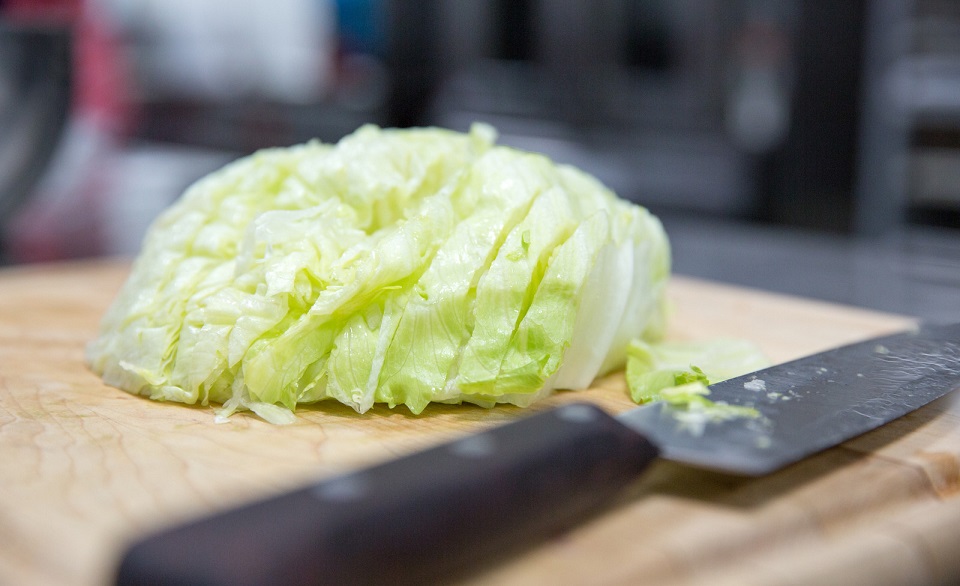
Greens & Spinach – Please Lettuce Be Safe to Eat
According to the new food nutrition pyramid, we are to eat at a minimum, around 3 cups of dark green vegetables along with other servings of fruits and vegetables each week. That is becoming more difficult as outbreaks such as E. coli 0157:H7 creates bad news for the produce industry, not to mention the victims.
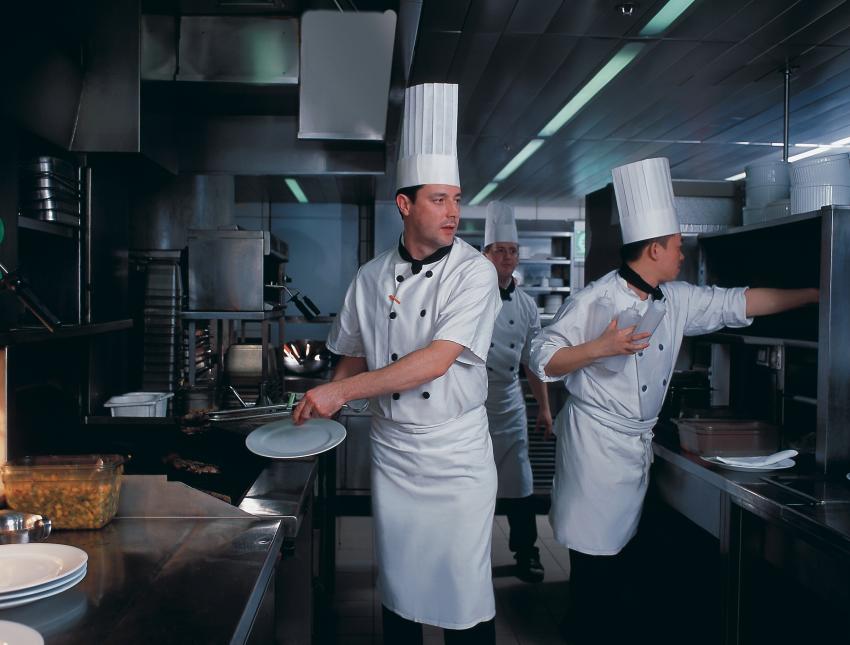
Refrigeration Tips to Keep Your Food Safe
A refrigerator is one of the most important pieces of kitchen equipment for keeping foods safe. In a food service environment, our existence depends on the cooling equipment. The science of refrigeration has evolved from prehistoric times when man found his wild game would last longer packed in the coolness of a cave or packed in snow. Our ancestors harvested ice to keep food cold. Now, if the power goes off, we are instantly reminded of the refrigerator’s importance to our daily life, at home and certainly in a food service facility.
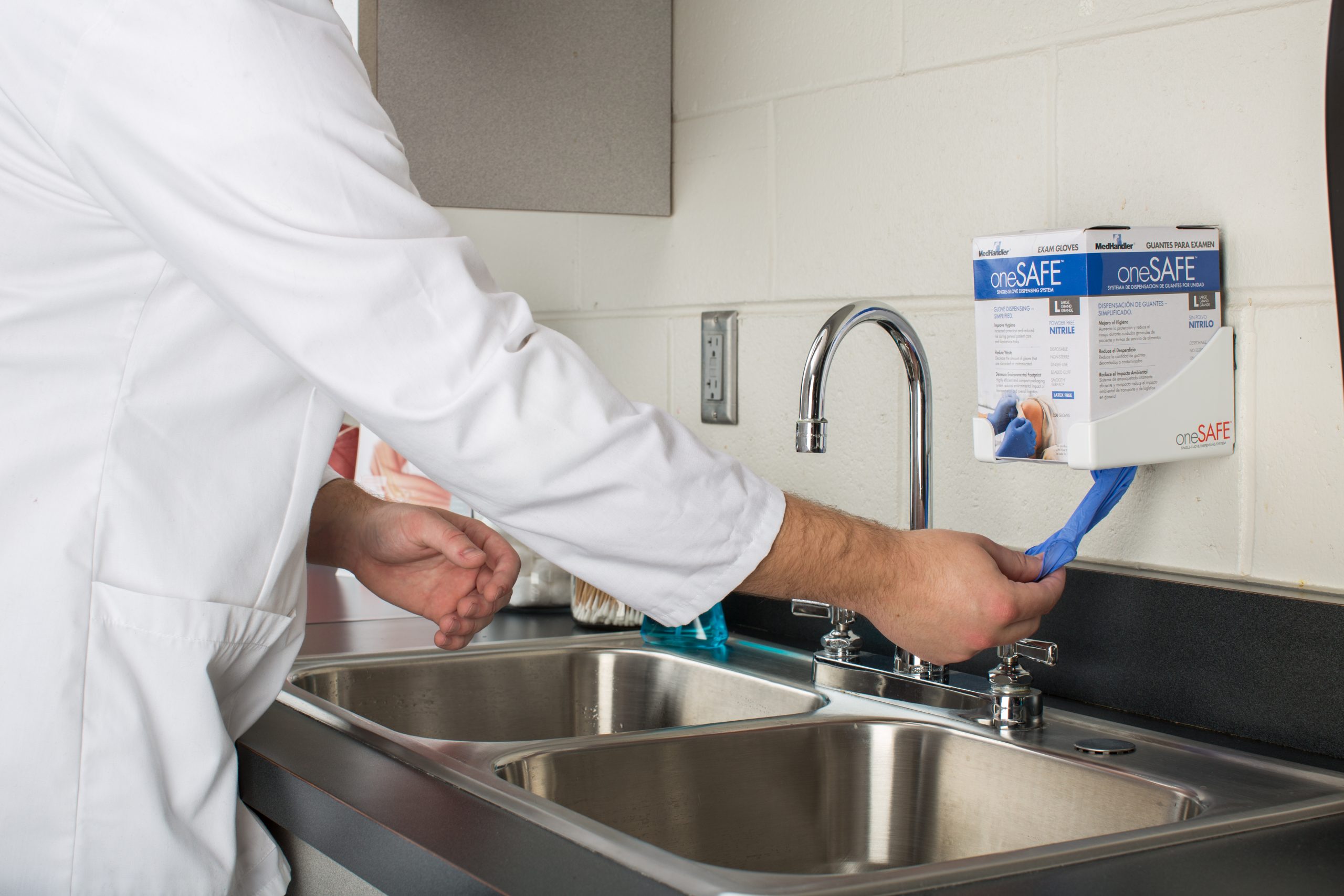
Food Service Hand Hygiene: Basic Handwashing – Part II
Ignoring handwashing as a priority is easy until faced with a crippling lawsuit. Your risk of transmitting a foodborne disease via a food workers hands will never be zero, but the good news is training your crew about handwashing is not complicated. Molding behavior to do it at the right time, using the correct method is the tough part. The Centers for Disease Control & Prevention says the single most effective way to stop the spread of infection is through handwashing. Last month’s article was on the physical equipment to help get better handwashing compliance. The most important part is the practice of the basic handwashing steps:
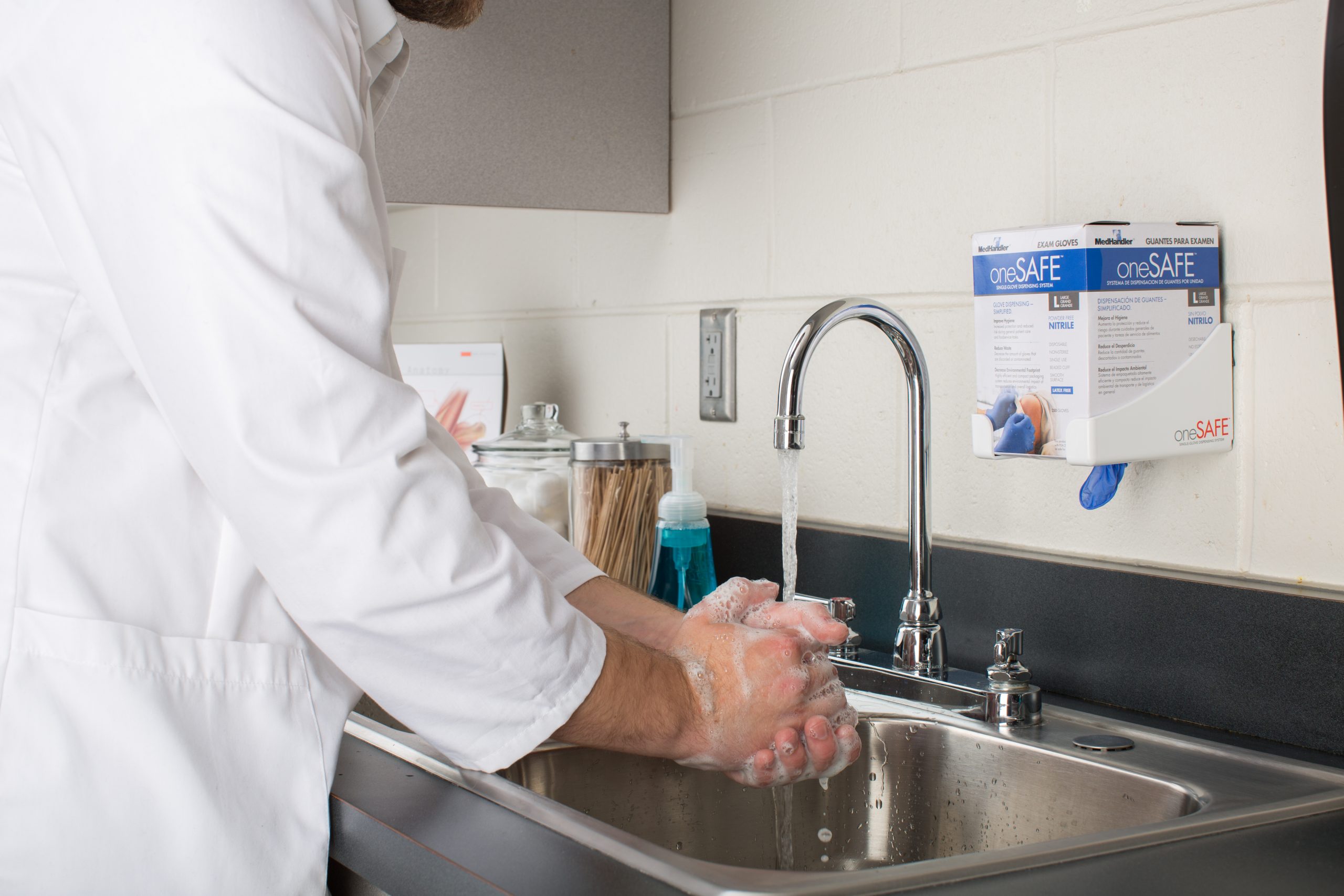
The Physical Elements of Food Service Hand Hygiene – Part I
September is National Food Safety Education Month and the theme has a rhyme to it – “Keep Hands Clean with Good Hygiene”. Hand washing is one of the public’s best defenses against the spread of both common and rare, even life-threatening, diseases including those caused by food, and against gastrointestinal infections caused by such organisms as the Norovirus, which plagues the cruise ship industry and food service in general.