
Sparking Culture behind the Line: Turning Food Safety Compliance into a Point of Pride
Every Fourth of July, we gather to celebrate independence, freedom, and the shared victories that define our nation. The air fills with the smell of barbecue, and the sky lights up with fireworks. It is also a busy day in the foodservice industry, at least it was one of our busiest in the restaurants that I managed.
Navigating these busy holidays reminded me of another critical type of freedom we should strive for within the walls of our operations: freedom from health code violations, freedom from foodborne illness outbreaks, and freedom from the anxiety of a complaint inspection. These types of freedom aren’t won with historical declarations; they’re won every single day by the cooks and dishwashers working on the front line.
These front-line employees are critical to our food safety successes. They are the individuals who check internal temperatures before the product is served, scrub the hard-to-reach corners of the walk-in, and ensure they properly wash their hands throughout their shift. Yet, too often, food safety compliance is treated like a disciplinary chore rather than a victory worth celebrating. If you want a culture that consistently executes near-flawless health inspections, it’s time to shift the narrative from policing to celebrating. By properly incentivizing and rewarding your hourly team, you can turn compliance into a source of professional pride. Just as we celebrate historic milestones with grand displays, operators should reward good health inspections with tangible rewards.
Consider implementing a “Flawless Inspection Bonus.” If the results of your past health inspections have been a little less than stellar, perhaps reaching a near-flawless inspection is the goal. Whatever benchmark you set, a good health inspection is never the achievement of a single individual or a solitary shift; it is the direct result of an entire team working together day after day. Consequently, any reward or recognition should be distributed to the entire kitchen staff—ensuring that from the head chef to the newest dishwasher, everyone shares equally in the pride and the payoff of a job well done.
Introduce a monthly “Compliance Champion” incentive program. Utilize your digital food safety software or paper logs to audit consistency. If a line cook completes 100% of their assigned temperature checks for the month, or if a dishwasher maintains perfect dish-machine logbooks with no missing entries, they earn the title and the rewards.
…a good health inspection is never the achievement of a single individual or solitary shift; it is the direct result of an entire team working together day after day…
Prizes don’t always have to break the bank: prime shift scheduling, upgraded custom kitchen gear, or a paid day off can serve as powerful motivators. When consistency is tracked and publicly rewarded, line cooks and dishwashers begin to view logging not as tedious paperwork but as a metric of elite performance.
Create specific rewards tied to the dish pit: a cash bonus for maintaining the correct chemical concentrations all week, or a public shout-out during pre-shift meetings for keeping the three-compartment sink immaculate. Dishwashers are frequently described as the backbone of the kitchen, yet they are often the most overlooked in terms of compliance recognition. When dishwashers see that their attention to sanitation directly impacts the restaurant’s success, and is noticed by leadership, their engagement skyrockets. They stop seeing themselves as just a clean-up crew and start seeing themselves as an integral part of the team that we all know they are.
This season, as you reflect on the spirit of independence, take a hard look at your kitchen culture. Are your line cooks and dishwashers operating under a cloud of fear, or are they fueled by the pride of excellence? Shifting from a culture of policing to a culture of compliance celebration requires deliberate effort, but the return on investment is unparalleled. Risk Nothing.
READ MORE POSTS
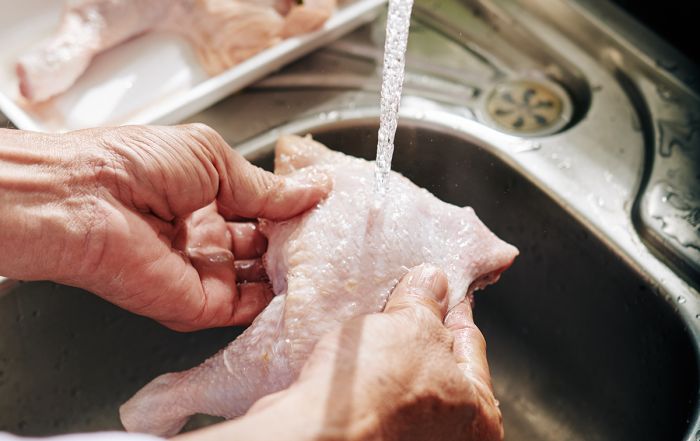
RETHINKING THE RINSE: WHY WASHING POULTRY ISN’T SO WISE
As November rolls around, we generally start to shift our focus to Thanksgiving and the busy [...]
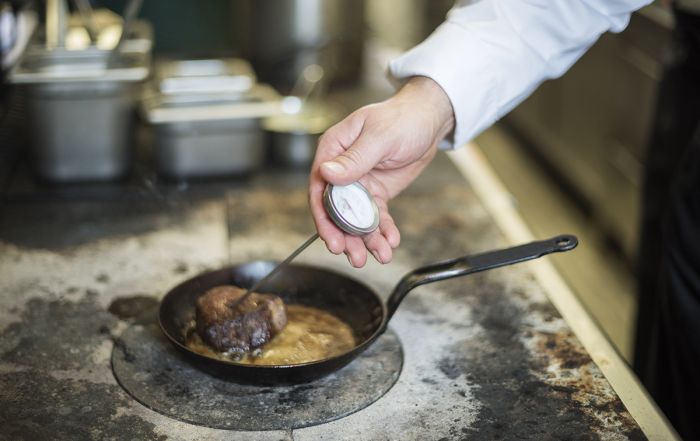
Navigating the Intricacies of Temperature Management
I spend a bit of time in these blogs discussing various nuances of food safety – [...]

IN AN AI WORLD, ENSURE YOUR FOOD SAFETY FUNDAMENTALS ARE ESTABLISHED
In October, I talked about how you could use artificial intelligence (AI) to enhance your food safety [...]

Finding the Food Safety Training Program that is Right for You
Whichever you decide, because some jurisdictions have more stringent requirements than the conference for food protection, check with your local health department to make sure they also recognize the exam before you pay for it.