
Signs Aren’t Always the Answer: The Psychology of Handwashing
One of my former bosses loved signs. He would hang a sign for anything: ‘Don’t use this door.’ ‘Don’t block this door.’ ‘You must be ready to work at your scheduled time.’ And, of course, ‘Wash your hands.’ He wasn’t alone. Walk into almost any commercial kitchen, and you’ll find a sign over the hand sink reminding employees to wash their hands. Some are laminated, some are faded, and most have hung there so long nobody sees them anymore. And yes, they are required by the food code. But, here’s the thing: your staff already know they should wash their hands. Nobody makes it through a food safety course without hearing it. In fact, in our research, we know employees know this, but they still don’t do it.
So why doesn’t it happen more? We know it isn’t a knowledge problem. It’s a design and habit problem. That’s good news, because design is something you can change this week in each of your operations.
Most of what we do in a busy kitchen happens on autopilot. Habits form when a reliable cue, like finishing raw chicken or walking back in from the dining room, triggers the same action every time – washing your hands. If the sink isn’t where that cue happens, the habit never gets a chance to form.
People also take the path of least resistance. Every extra step, empty soap dispenser, or hand sink blocked by today’s delivery makes skipping the easier choice. Behavioral scientists call small changes to the environment “nudges”. These nudges make the right behavior easier or more automatic without forcing it.
The research on this is fascinating. In one study, researchers tracked nearly 200,000 restroom visits at a highway rest stop and found that normative cues, signs about what others were doing and the presence of more individuals in the facility, increased handwashing. In another study, they changed the environment by simply adding brightly painted paths and footprints to the sink and other social cues, and handwashing skyrocketed from 4% to 7%! No lectures required. Our kitchens aren’t schools, but the lessons hold: increase the normative expectations and change the space, and you change the habit.
…Stop asking “Why won’t they wash?” and start asking “What makes washing hard?” If the sink is out of sight, blocked, or three stations away, no sign will fix it…
The FDA Food Code requires that hand sinks be located for convenient use in prep, dispensing, and warewashing areas and kept accessible at all times. Some states get more specific; for example, requiring a hand sink within 25 feet of those areas. But “legal” and “convenient” aren’t always the same thing.
In CDC’s EHS-Net study, handwashing was more likely when a hand sink was within the worker’s line of sight and when the kitchen had more than one sink. A good rule of thumb: every station should be able to see and reach a hand sink in about 10 to 20 steps. Sinks belong at transition points, between raw-protein prep and ready-to-eat stations, near dish and waste areas, and at the kitchen entry.
Details at the sink matter, too. Put a pleasant foaming soap in a hands-free or easy-push dispenser right over the basin, with towels within arm’s reach. Bright lighting, warm water that arrives quickly, and a contrasting backsplash help the sink stand out.
Low-Cost Nudges to Try
- Make sure soap and towels are immediately available, right at the sink. If someone has to reach around equipment or step aside to grab a towel, the wash gets skipped. Keep both within easy reach of the basin.
- Hang an angled acrylic mirror above the sink. People tend to act as if they’re being observed when they see themselves.
- Make the sink stand out. A brightly colored, wipe-clean wall panel or backsplash behind the sink catches the eye from across the line. Like the painted paths in Bangladesh, it can act as a cue.
- Add a social-norm message to the mirror. It tells people that washing is what their crew does and what is expected of them.
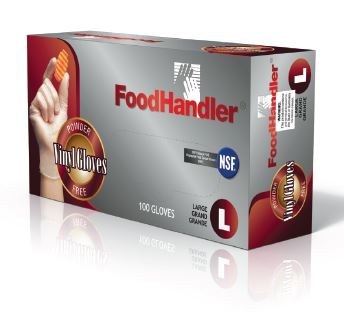
- Mount glove boxes beside the hand sink, not at the work station. Some studies have linked glove use with less handwashing. With gloves next to the sink, it connects the two, so washing becomes the step right before gloving.
Before rolling out a change everywhere, run a simple pilot for two to four weeks. Pick two comparable stations or shifts and spend the first week just observing both. Then add one nudge, say glove boxes at the sink, to one station for two weeks, leaving the other as your comparison. Measure compliance as washes divided by handwashing opportunities (glove changes, after raw protein, after trash, coming back in the kitchen), observing three 20-minute windows per. A gain of 10 percentage points or more over the comparison station is worth keeping. Rotate observers, because people behave better when they know they’re watched, and track soap use from refill logs as a backup.
Once the change is in place, monitor a few metrics over time: your compliance rate, soap and towel use per 100 labor hours, how often daily checks find a blocked or empty sink, and any handwashing-related violations during inspections.
Telling people to wash their hands hasn’t worked for decades. Making it the easiest thing to do just might. Risk Nothing.
READ MORE POSTS
The Route to Safer Fresh Fruits and Vegetables
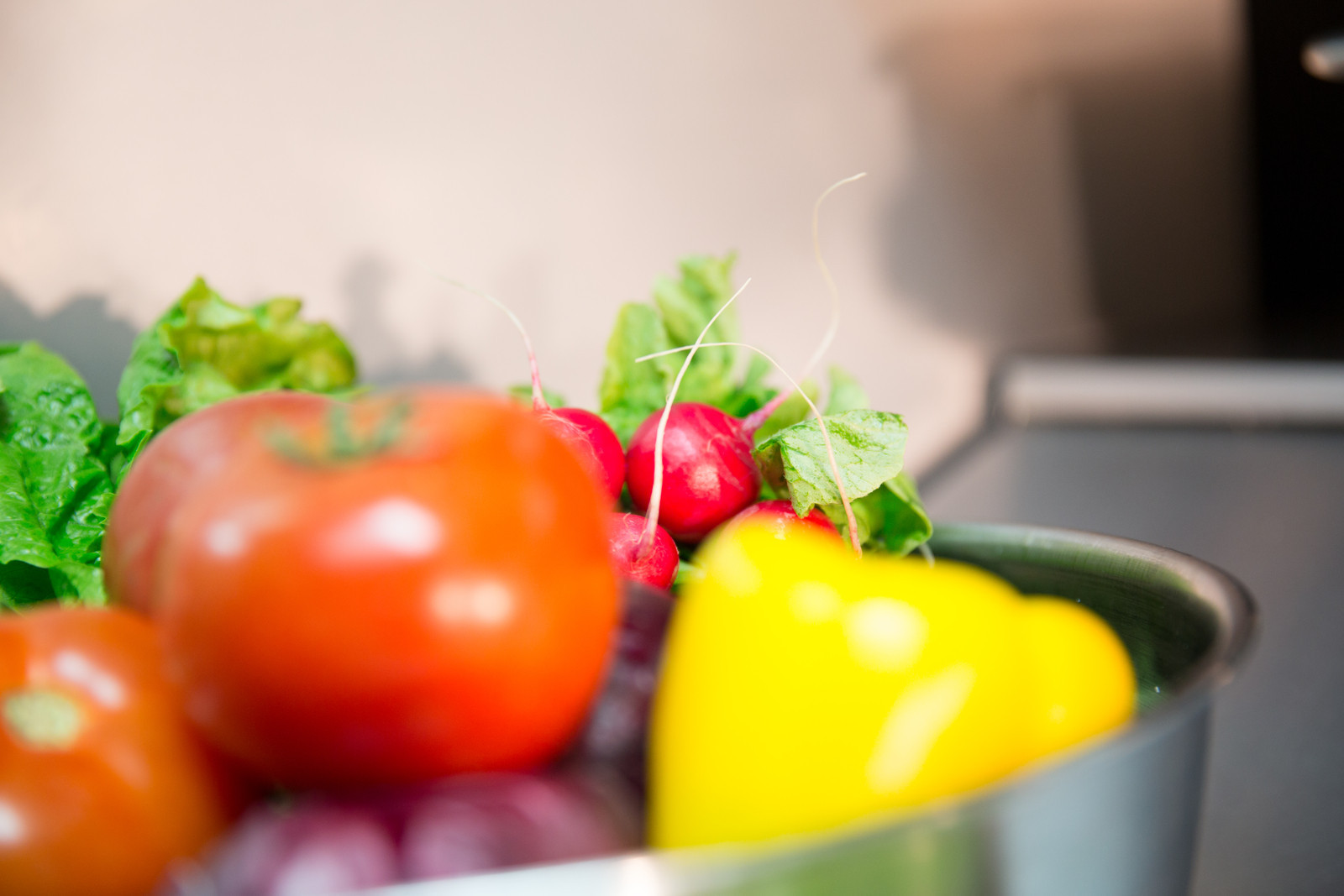
Although fruits and vegetables are one of the healthiest foods sources in our diet, we continue to have foodborne disease outbreaks of significance from produce, sometimes affecting large groups of people in multiple states because of their wide distribution. The CDC estimates that fresh produce now causes a huge number of foodborne illness outbreaks in the United States. Produce needs our continued food safety efforts at the restaurant level as well as at the stages in agricultural production. Occasionally, fresh fruits and vegetables can become contaminated with harmful bacteria or viruses, such as Salmonella, E. coli 0157:H7, Norovirus, and Hepatitis A. This contamination can occur at any point from the field to our table. If eaten, contaminated fruits and vegetables can cause foodborne illness.
Be Cool, Chill Out, Refrigerate Promptly!
The Cold Chain -- Keeping perishable foods at proper cold holding temperatures (between 28°F and 41°F maximum or 0°F for frozen food) from your food producers / manufacturers to your customers has to be one of our strongest links to safe food and high quality. Sometimes that is referred to in the food industry as “maintaining the COLD CHAIN”. Any slip ups in the cold chain, and we have a weak link. Most all of our state food regulations require 41°F as a cold maximum, but colder is a “best practice” policy to maintain.
Cutting Board Safety
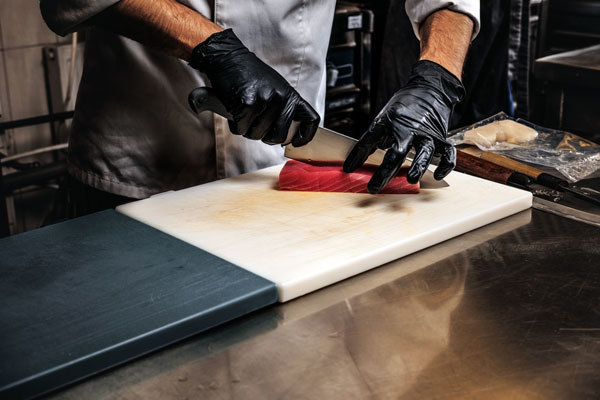
Everyone knows to prepare food only on a clean and sanitized surface. Everyone also knows not to prepare food on a surface previously used to prepare any type of uncooked meat—cross-contamination. But does everyone know what this clean, sanitized, uncontaminated surface should be made out of? Or how cutting boards should be cared for?
A Date with Safe Food Labels
When it comes to food, calendar dates relating to time and temperature are important and sometimes confusing. Terms we use are: 1) food product or code dating used for commercial food manufacturing and 2) date marking used for food prepared onsite in a restaurant. In a restaurant at the receiving step or the retail food store as a consumer, "Sell by July 14" is a type of information you might find on a meat or poultry product. Are dates required on food products? Does it mean the product will be unsafe to use after that date? Here is some background information, which answers these and other questions about food product dating.