

Resolve to Protect: Why This Year’s #1 Priority Should Be Food Safety
The new year presents foodservice managers with a wonderful opportunity to reset, refocus, and recommit to what matters most: protecting the health of every student, guest, patient, resident, or customer who dines in their establishment. As a manager or owner, there’s no better time than now to evaluate your food safety culture and strengthen your team’s dedication to safe food handling practices.
Food safety culture goes beyond simply following health codes or passing inspections. It’s the collective attitudes, beliefs, and behaviors that your entire team shares about food safety. When food safety is truly embedded in your establishment’s culture, it becomes automatic. It is not just something employees do because they were told to do so, but because they understand how important it is to everyone: owners, managers, and their fellow employees.
A strong food safety culture protects your customers, safeguards your reputation, reduces liability, and creates a professional environment where employees take pride in their work. A strong food safety culture forces managers to lead by example. I often use the example of handwashing. If managers continually remind employees to wash their hands, but they themselves don’t wash their hands when they first step into the kitchen, they have shown employees that food safety isn’t a priority. They are not leading by example! When managers lead by example and prioritize food safety, the entire team follows suit.
Before you can recommit, you need to honestly assess your current food safety culture. Ask yourself these questions:
- Do you have established SOPs that address basic food safety operations?
- Do employees consistently wash their hands at proper times, or do they take shortcuts when they think no one is watching?
- Are temperature logs completed accurately and on time, or filled in hastily at the end of shifts?
- When someone identifies a food safety concern, do they feel comfortable speaking up?
Are these the only questions you should ask yourself to ensure you have a food-safe culture? Certainly not! But the answers to these questions will help to determine whether food safety is prioritized in your operation or merely treated as a box-checking exercise. Remember, this assessment isn’t about finding all the faults of your business. It is about identifying opportunities for growth in your food safety culture and programs.
…this assessment isn’t about finding all the faults of your business…it’s about identifying opportunities for growth in your food safety culture and programs…
Whatever goals you establish, write them down and share them with your entire team, not just the management team. Then, revisit them quarterly to track progress. Post visual reminders throughout your kitchen. Integrate food safety discussions into every staff meeting. Consider appointing food safety champions among your team who can help maintain standards and mentor newer employees.
As a manager, you set the tone for food safety culture. Your team watches everything you do. If you skip handwashing, ignore temperature checks, or make excuses for cutting corners during busy periods, your employees will mirror these behaviors regardless of what your training materials say.
Recommit to being the food safety leader your establishment needs. Stay engaged with your food safety program, observe employee behaviors, and provide immediate, constructive, and positive feedback.
At FoodHandler, we are re-committing ourselves to help you maintain and strengthen your food safety program, too! For the last several years, FoodHandler has sponsored quarterly webinars with our food safety experts to help you stay informed. This year, we are upping the ante and bringing you six webinars to help you keep your food safety programs top of mind! Check out our upcoming SafeBites Food Safety Webinars, all to bring you the most current information about food safety.. Risk Nothing.
READ MORE POSTS
Greens & Spinach – Please Lettuce Be Safe to Eat
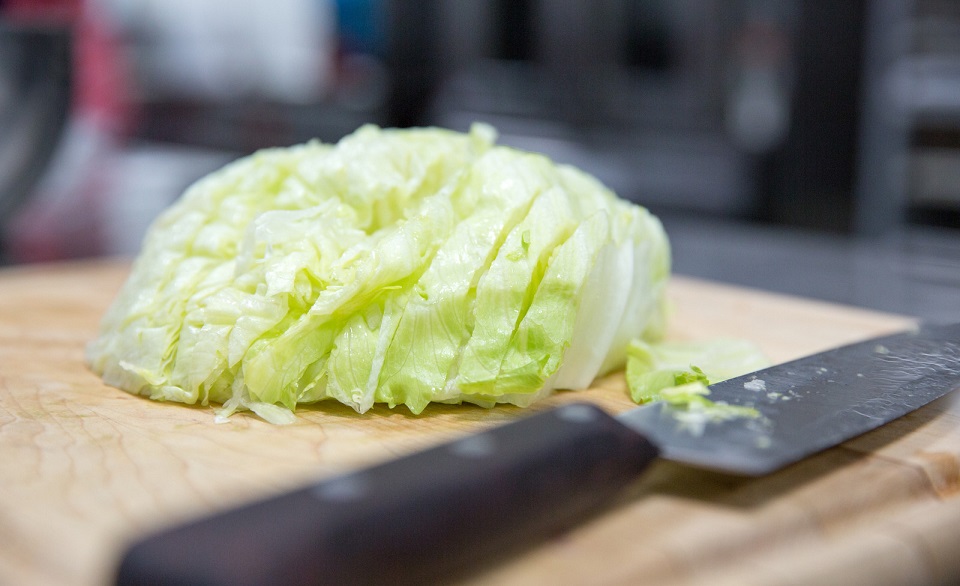
According to the new food nutrition pyramid, we are to eat at a minimum, around 3 cups of dark green vegetables along with other servings of fruits and vegetables each week. That is becoming more difficult as outbreaks such as E. coli 0157:H7 creates bad news for the produce industry, not to mention the victims.
Refrigeration Tips to Keep Your Food Safe
A refrigerator is one of the most important pieces of kitchen equipment for keeping foods safe. In a food service environment, our existence depends on the cooling equipment. The science of refrigeration has evolved from prehistoric times when man found his wild game would last longer packed in the coolness of a cave or packed in snow. Our ancestors harvested ice to keep food cold. Now, if the power goes off, we are instantly reminded of the refrigerator’s importance to our daily life, at home and certainly in a food service facility.