

HACCP Doesn’t Have to Be All or Nothing: Even Incremental Changes Can Have a Big Impact on your Food Safety Program
Most foodservice operators hear Hazard Analysis and Critical Control Point, otherwise known as “HACCP,” and picture binders full of flowcharts, scientific analyses, and regulatory paperwork. And while a full, formal plan can start to look exactly like that, the truth is that you don’t have to implement the entire system to benefit from HACCP principles. Even adopting pieces of the framework will reduce your risk of a foodborne illness outbreak.
Our colleagues who manage school foodservice operations are already well-versed in HACCP systems. School foodservice authorities participating in the National School Lunch or National School Breakfast program had to implement HACCP systems over 20 years ago. For those who don’t quite recall the fundamentals of HACCP, it is a systematic, science-based approach to identifying where biological, chemical, and physical hazards can impact your foodservice operation. Then, putting controls in place to prevent, eliminate, or reduce those hazards to safe levels. It was originally developed for NASA’s space food program and has since become the global gold standard for food safety.
The system is built around seven core principles: conducting a hazard analysis, identifying critical control points (CCPs), establishing critical limits, setting up monitoring procedures, defining corrective actions, implementing verification, and maintaining documentation.
…Perfect is the enemy of good in food safety…
If you’re running a restaurant, a catering company, a senior living dining program, or any other foodservice operation without a formal HACCP plan, you can still harness the power of this system right now. Here are a few ideas to get started:
Perfect is the enemy of good in food safety. A foodservice operation that monitors temperatures religiously, trains staff on handwashing and cross-contamination, and documents corrective actions is dramatically safer than one waiting to implement a “perfect” HACCP plan someday. Start with your highest-risk foods, build simple monitoring habits, and document what you do. Risk Nothing.
READ MORE POSTS
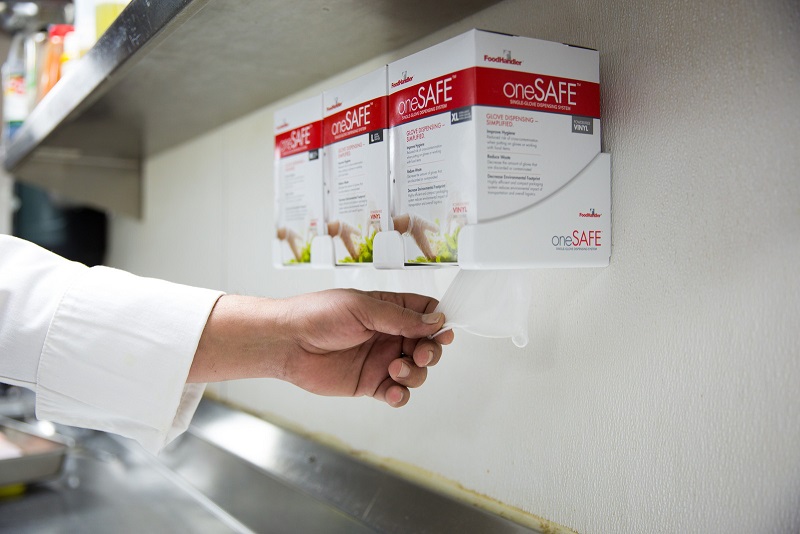
How Effective is Your Food Safety Training?
Basic food safety in a restaurant kitchen is not rocket science, but critically important for the crew to take the time to learn about it and for managers to set the example each day. Customers never expect or want to see a manager, chef, or a crew member make a very visible food safety mistake, like not washing hands before food prep and gloving, or touching their face or hair while prepping or handling food. Have we all seen it happen in our restaurant or as a customer elsewhere? Certainly. Are you using some creativity in your current training methods to help your staff “get it” so to speak, and reflect positive behaviors regarding food safety?
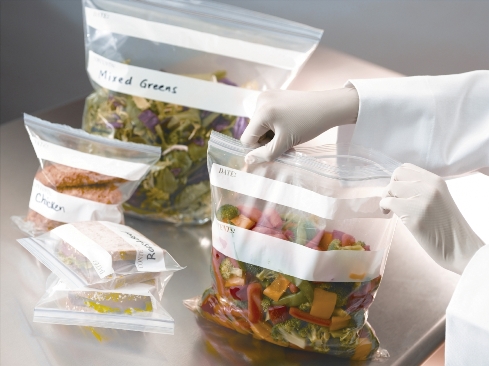
Why Does Food Spoil?
Food gradually deteriorates because of a natural process of aging, just like humans. However with all foods, there are a few things we can do that have a positive effect on the shelf life and safety of our foods at the restaurant. Some preservation is done at the food manufacturing plant, some naturally, but a better understanding of the processes may help you extend that shelf life. Preservation methods and storage conditions must be designed to reduce the rate of decomposition and protect the safety, appearance and taste of our food.

Top Food Safety Websites
You ask…How do I learn about food safety regulation? What pathogens in foods can make me sick? What temperature should I safely cook my roast beef to and how do I take food temperatures? How do I clean and sanitize anything according to the FDA Food Code? What and where is the most recent version of the FDA Food Code? Where can I find food safety educational materials galore in book form or online? Do I need them in Spanish or a Chinese dialect?