
Dry Storage Sanitation: The Often-Overlooked Foundation of Food Safety
When you think about sanitation as a foodservice operator, you might think about food production areas or refrigerators and freezers. At least, that is certainly where my mind goes when thinking about the topic. Yet dry storage areas deserve equal attention.
Admittedly, I can’t point to one single instance where the condition of a dry storage area in a foodservice operation led to a widespread foodborne illness outbreak. But contamination risks are very real. Improperly stored dry goods can harbor pests, accumulate dust and debris, become contaminated by leaking chemicals, or grow mold if moisture is present. A single pest infestation originating in dry storage can spread throughout your entire operation, resulting in costly product loss, failed health inspections, and, if word gets out to the public, a social media public relations nightmare!
According to the Food Code, dry storage areas should maintain temperatures between 50°F and 70°F. Early in my foodservice career, I wondered why they made those recommendations in the food code. What difference does it make, anyway? I have learned that while dry goods don’t require refrigeration, excessive heat can accelerate spoilage, attract pests, and reduce product quality. High humidity creates conditions for mold growth and can compromise packaging integrity.
Install a thermometer and hygrometer in your dry storage area and check them regularly. Ensure proper ventilation to prevent moisture buildup. If you notice condensation on walls or the ceiling, address the issue immediately. Moisture is an invitation for microbial growth and pest activity, and it certainly doesn’t bode well for the general upkeep of the physical facility, either.
The Food Code requires that all food and food-contact surfaces be stored at least six inches off the floor. Just last week, on social media, I saw a post from a concerned sous chef who was told by his executive chef that as long as the packaging was intact, it was acceptable for bags of flour to sit on the floor. I was shocked that in 2026, an executive chef would think this! The six-inch requirement serves multiple purposes: it protects products from floor contamination and flooding, facilitates cleaning beneath shelving, and allows for pest inspection and control. Additionally, maintaining a similar space between stored items and walls serves the same purpose.
The food code emphasizes that food must be stored in a way that prevents cross-contamination. In dry storage, this means separating raw ingredients from ready-to-eat items and storing chemicals completely separately from food items. Implement the “First In, First Out” (FIFO) rotation method consistently. Date all incoming products clearly and position newer inventory behind older stock. This practice minimizes waste while ensuring products are used before quality deteriorates or expiration dates pass.
Once you open the original packaging, store the food in clean, food-grade containers with tight-fitting lids. These containers must be labeled with the common name of the food. Never store food in containers that previously held non-food items, even if thoroughly cleaned.
Chemical storage requires special attention. Cleaning supplies, pesticides, and other chemicals must be stored in a separate area from food, below and away from food preparation and storage spaces. If separate storage isn’t possible, which is common in smaller facilities with limited storage space, chemicals must be stored below food items to prevent potential contamination from spills or leaks.
…Dry storage sanitation may lack the obvious urgency of temperature control for perishables, but it’s equally important for maintaining a comprehensive food safety programs…
Dry storage sanitation requires ongoing vigilance. Establish a regular cleaning schedule that includes sweeping and mopping floors, wiping down shelving, and promptly removing any spills. Weekly deep cleaning prevents the accumulation of dust and debris that can attract pests and harbor bacteria.
The food code requires facilities to be maintained to prevent pest entry and harborage. In dry storage, this means sealing cracks and crevices, installing door sweeps, keeping areas clean and clutter-free, and avoiding the storage of empty boxes or packaging materials that attract pests. Conduct regular inspections for signs of pest activity. Look for droppings, gnaw marks, or damaged packaging. Document these inspections as evidence of your proactive approach to sanitation.
Dry storage sanitation may lack the obvious urgency of temperature control for perishables, but it’s equally important for maintaining a comprehensive food safety program. By following and maintaining rigorous standards, you protect your inventory, satisfy regulatory requirements, and uphold your commitment to serving safe food. Risk Nothing.
READ MORE POSTS

The Worst Customer Complaint: Foodborne Illness
Food service managers and crew try to follow the rules of food protection. Yet, occasionally a complaint may arise and these calls take priority over all other daily crises. If you have been in the food service industry long enough, you may have gotten one of these. A customer may claim, "I think your food made me ill." These words inflict instant anxiety. If it happens, here are some next steps to think about in advance of such a claim:
How Effective is Your Food Safety Training?
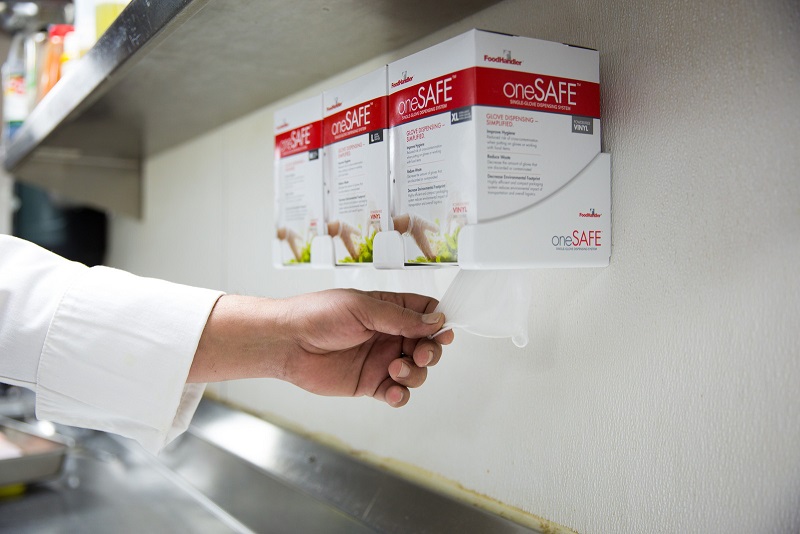
Basic food safety in a restaurant kitchen is not rocket science, but critically important for the crew to take the time to learn about it and for managers to set the example each day. Customers never expect or want to see a manager, chef, or a crew member make a very visible food safety mistake, like not washing hands before food prep and gloving, or touching their face or hair while prepping or handling food. Have we all seen it happen in our restaurant or as a customer elsewhere? Certainly. Are you using some creativity in your current training methods to help your staff “get it” so to speak, and reflect positive behaviors regarding food safety?
Why Does Food Spoil?
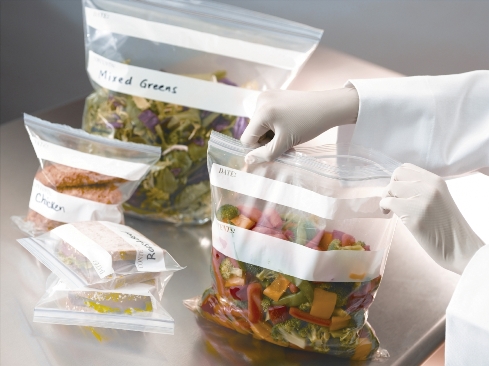
Food gradually deteriorates because of a natural process of aging, just like humans. However with all foods, there are a few things we can do that have a positive effect on the shelf life and safety of our foods at the restaurant. Some preservation is done at the food manufacturing plant, some naturally, but a better understanding of the processes may help you extend that shelf life. Preservation methods and storage conditions must be designed to reduce the rate of decomposition and protect the safety, appearance and taste of our food.