
Certified Food Safety Programs – Refreshed and Updated for 2026 and Why it Matters More This Year!
… if my business were ever the source of a foodborne illness outbreak, I would certainly want to know that I had done everything in my power to protect my guests and having trained my employees who work on the front lines with the food I serve in my business would be the very least that I could do.
| Accredited Food Manager Examinations[1] | ||||
| Name of Organization | Website | Format | Published Price | Worth Knowing |
| AAA Trainers LLC (AAA Food Handler) | aaafoodhandler.com | Online training; remote proctored exam | Varies by jurisdiction. Estimated: Training from $49.95; Gold training + exam $99.95; Diamond training + exam $119.95; exam only $69.95 | Remote proctoring included at no extra charge. Diamond package adds one free retake. Course and exam access expire one year from purchase. |
| APS Culinary Dynamics (World Food Safety Organization) | academy.worldfoodsafety.org | Online training; remote or in-person exam | Priced per course; it appears to be $95 for the Food Protection Manager and Certification Exam with live remote proctoring, with an additional $35 for an in-person proctoring fee. | Study courses sold individually or as a bundle. One year of course access. |
| Certus / StateFoodSafety | statefoodsafety.com | Online training; proctored exam online or in person | Varies by jurisdiction; exam is $28 plus proctor fee, training is $65. The training and Exam package is around $90 plus a proctor fee. Proctor fees run an additional $60 to $48. | Fail the exam, and you repurchase the exam, not the course. They do claim they are approved in more local jurisdictions than any other provider. |
| Dakota Dietitians (FoodSafePal) | foodsafepal.com | Online | Varies by jurisdiction. The combined training and exam package appears to be around $159, with the exam priced at $99 and the training at $125. | New to the accredited list. |
| DSBWorldWide (EduClasses / FMC) | foodmanagerscertification.com | Online training; proctored online or in person via Prometric | The combined training and exam package ranges from $80 (plus proctor fee) for online training to $120 (proctor cost included) for in-person exams. The exam is $25, and the training is $65. | New to the accredited list. One exam attempt. |
| Learn2Serve (360training) | 360training.com/learn2serve | Online training: remote proctor included | The combined training and exam package is $121 and includes the proctor fee. The exam is $69.99, and the proctored exam is $65. | Two exam attempts are included in most packages. |
| My Food Service License | myfoodservicelicense.com | Online training; remote proctoring | The combined training and exam package is $139 or $189 with the eBook; both options include the proctor fee. The exam and proctor is $99.99, and the course is $165. | Runs promotional pricing often enough that the list price is rarely what you pay. |
| National Registry of Food Safety Professionals | nrfsp.com | Self-study or affiliate-delivered training; exam online or at a test center | The exam and proctor is $81.99. | |
| National Restaurant Association (ServSafe) | servsafe.com | In-person or online training; exam in person or online proctored | Online course and exam are $179 and include a proctor; the online exam voucher is around $38.99 plus a proctor fee, or $99 with online proctoring; in-person classes vary depending on the host. | Extension offices and restaurant associations often run classes cheaper than buying direct. |
| Relish Works (Trust20) | trust20.co | Online training; remote-proctored | Exam $90 and includes proctoring; manager training $90 | One attempt per exam purchase. |
| Responsible Training / Safeway Certifications | responsibletraining.com | Online training; remote-proctored | Course and exam are $95 with remote proctoring included. | |
| The Always Food Safe Company | alwaysfoodsafe.com | Online video training; remote proctoring included | Training and exam $84; exam only $28; training only $65 | One free retake included |
| Userve | userve.com | Online training; remote-proctored | The combined training and exam package is $119.99 (normally listed for $149) or $179 with the Management Toolkit; both options include the proctor fee. The exam and proctor are $89.99, and the course is $79.99. | The exam and course package includes unlimited exam attempts. The exsam only option incudes 3 free attempts. |
Several providers price by state, and their pricing appears to change regularly. If you want the number, get it from the checkout page on the day you buy it.
The sticker price is rarely the whole picture. A few things to note before you buy:
- Some providers bundle it, some add proctor fees, and others ask you to find a local proctor. Compare the total, not the buy now price.
- Retake policy. Many providers sell you one attempt. If you fail the exam, you have to retake the exam. If you’re training someone who tests poorly, paying more up front may end up being cheaper. I once had a student who did not test well and took the ServSafe exam five times before passing it.
- State add-ons. A handful of states require separate allergen training from an accredited provider. Know what your start requires going in.
- Many offer discounts at five or ten seats. If you’re certifying a management team rather than one person, ask, the rate isn’t always posted.
- Training Program Quality. We are unable to rate the quality of the training program. A poor training program could increase the retake fees for the exam. The total cost is not always a guarantee of a good program.
I know some of you want me to tell you which program is best. I’m not going to, for the same reason I didn’t last time: it depends on how you learn, how you want to test, what your jurisdiction accepts, and what you can spend. I’m not endorsing any of these. I’m telling you they’re currently accredited.
Two things before you pay anyone. First, check the ANAB directory yourself. It tracks suspensions and withdrawals alongside active accreditations, and a program’s status can change between when I publish this and when you read it. Second, call your local health department and confirm they accept that specific exam.
Have you put a manager through one of these recently? Good experience, bad experience, surprise fee nobody warned you about? I’d like to hear it, and I may use it in a future post. Risk Nothing.READ MORE POSTS
The Route to Safer Fresh Fruits and Vegetables
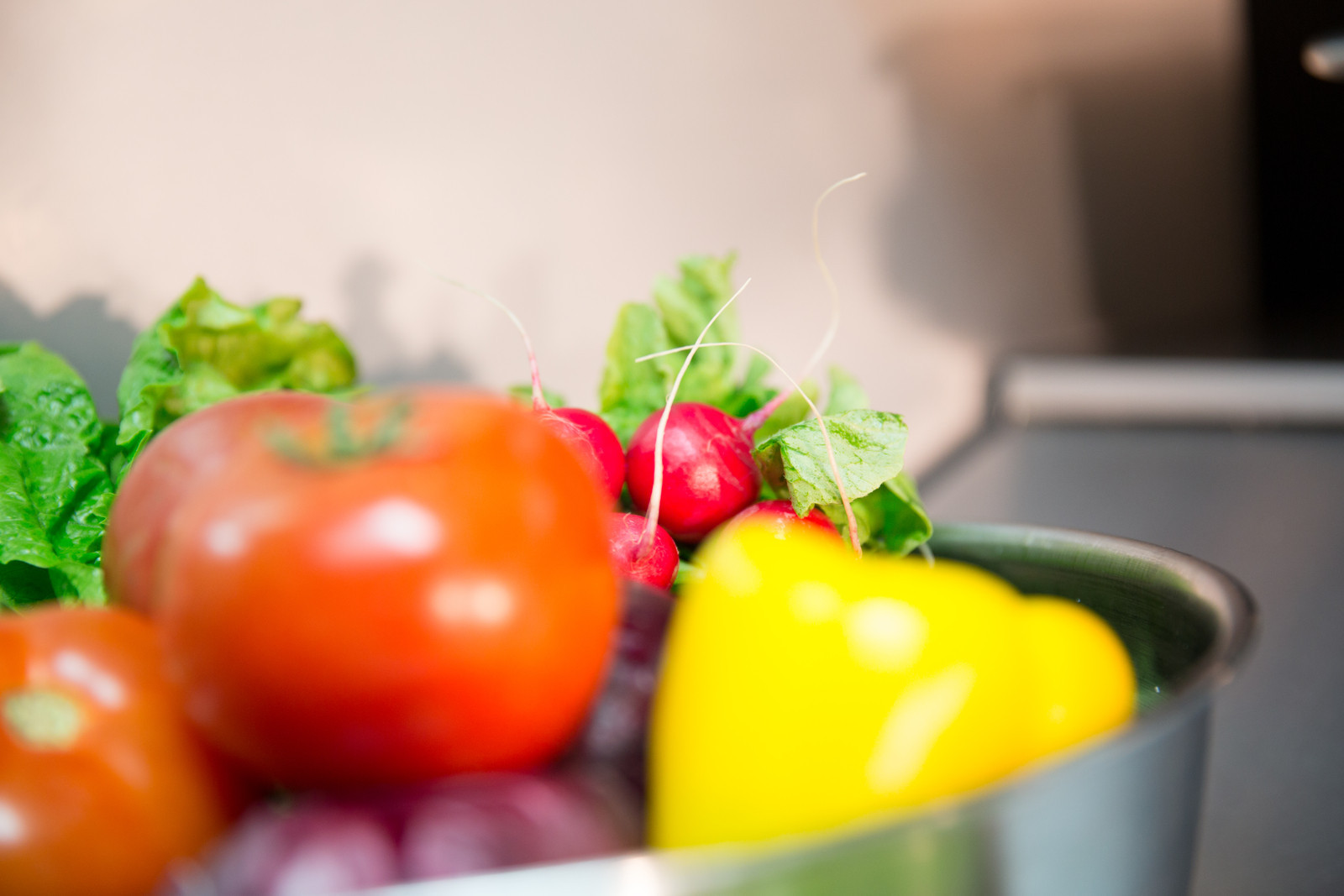
Although fruits and vegetables are one of the healthiest foods sources in our diet, we continue to have foodborne disease outbreaks of significance from produce, sometimes affecting large groups of people in multiple states because of their wide distribution. The CDC estimates that fresh produce now causes a huge number of foodborne illness outbreaks in the United States. Produce needs our continued food safety efforts at the restaurant level as well as at the stages in agricultural production. Occasionally, fresh fruits and vegetables can become contaminated with harmful bacteria or viruses, such as Salmonella, E. coli 0157:H7, Norovirus, and Hepatitis A. This contamination can occur at any point from the field to our table. If eaten, contaminated fruits and vegetables can cause foodborne illness.
Be Cool, Chill Out, Refrigerate Promptly!
The Cold Chain -- Keeping perishable foods at proper cold holding temperatures (between 28°F and 41°F maximum or 0°F for frozen food) from your food producers / manufacturers to your customers has to be one of our strongest links to safe food and high quality. Sometimes that is referred to in the food industry as “maintaining the COLD CHAIN”. Any slip ups in the cold chain, and we have a weak link. Most all of our state food regulations require 41°F as a cold maximum, but colder is a “best practice” policy to maintain.
Cutting Board Safety
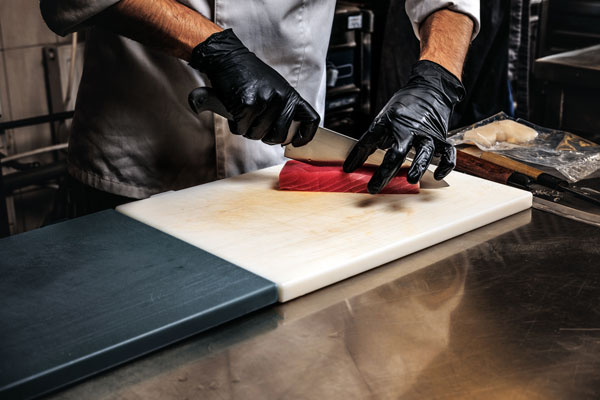
Everyone knows to prepare food only on a clean and sanitized surface. Everyone also knows not to prepare food on a surface previously used to prepare any type of uncooked meat—cross-contamination. But does everyone know what this clean, sanitized, uncontaminated surface should be made out of? Or how cutting boards should be cared for?
A Date with Safe Food Labels
When it comes to food, calendar dates relating to time and temperature are important and sometimes confusing. Terms we use are: 1) food product or code dating used for commercial food manufacturing and 2) date marking used for food prepared onsite in a restaurant. In a restaurant at the receiving step or the retail food store as a consumer, "Sell by July 14" is a type of information you might find on a meat or poultry product. Are dates required on food products? Does it mean the product will be unsafe to use after that date? Here is some background information, which answers these and other questions about food product dating.