
Certified Food Safety Programs – Refreshed and Updated for 2026 and Why it Matters More This Year!
… if my business were ever the source of a foodborne illness outbreak, I would certainly want to know that I had done everything in my power to protect my guests and having trained my employees who work on the front lines with the food I serve in my business would be the very least that I could do.
| Accredited Food Manager Examinations[1] | ||||
| Name of Organization | Website | Format | Published Price | Worth Knowing |
| AAA Trainers LLC (AAA Food Handler) | aaafoodhandler.com | Online training; remote proctored exam | Varies by jurisdiction. Estimated: Training from $49.95; Gold training + exam $99.95; Diamond training + exam $119.95; exam only $69.95 | Remote proctoring included at no extra charge. Diamond package adds one free retake. Course and exam access expire one year from purchase. |
| APS Culinary Dynamics (World Food Safety Organization) | academy.worldfoodsafety.org | Online training; remote or in-person exam | Priced per course; it appears to be $95 for the Food Protection Manager and Certification Exam with live remote proctoring, with an additional $35 for an in-person proctoring fee. | Study courses sold individually or as a bundle. One year of course access. |
| Certus / StateFoodSafety | statefoodsafety.com | Online training; proctored exam online or in person | Varies by jurisdiction; exam is $28 plus proctor fee, training is $65. The training and Exam package is around $90 plus a proctor fee. Proctor fees run an additional $60 to $48. | Fail the exam, and you repurchase the exam, not the course. They do claim they are approved in more local jurisdictions than any other provider. |
| Dakota Dietitians (FoodSafePal) | foodsafepal.com | Online | Varies by jurisdiction. The combined training and exam package appears to be around $159, with the exam priced at $99 and the training at $125. | New to the accredited list. |
| DSBWorldWide (EduClasses / FMC) | foodmanagerscertification.com | Online training; proctored online or in person via Prometric | The combined training and exam package ranges from $80 (plus proctor fee) for online training to $120 (proctor cost included) for in-person exams. The exam is $25, and the training is $65. | New to the accredited list. One exam attempt. |
| Learn2Serve (360training) | 360training.com/learn2serve | Online training: remote proctor included | The combined training and exam package is $121 and includes the proctor fee. The exam is $69.99, and the proctored exam is $65. | Two exam attempts are included in most packages. |
| My Food Service License | myfoodservicelicense.com | Online training; remote proctoring | The combined training and exam package is $139 or $189 with the eBook; both options include the proctor fee. The exam and proctor is $99.99, and the course is $165. | Runs promotional pricing often enough that the list price is rarely what you pay. |
| National Registry of Food Safety Professionals | nrfsp.com | Self-study or affiliate-delivered training; exam online or at a test center | The exam and proctor is $81.99. | |
| National Restaurant Association (ServSafe) | servsafe.com | In-person or online training; exam in person or online proctored | Online course and exam are $179 and include a proctor; the online exam voucher is around $38.99 plus a proctor fee, or $99 with online proctoring; in-person classes vary depending on the host. | Extension offices and restaurant associations often run classes cheaper than buying direct. |
| Relish Works (Trust20) | trust20.co | Online training; remote-proctored | Exam $90 and includes proctoring; manager training $90 | One attempt per exam purchase. |
| Responsible Training / Safeway Certifications | responsibletraining.com | Online training; remote-proctored | Course and exam are $95 with remote proctoring included. | |
| The Always Food Safe Company | alwaysfoodsafe.com | Online video training; remote proctoring included | Training and exam $84; exam only $28; training only $65 | One free retake included |
| Userve | userve.com | Online training; remote-proctored | The combined training and exam package is $119.99 (normally listed for $149) or $179 with the Management Toolkit; both options include the proctor fee. The exam and proctor are $89.99, and the course is $79.99. | The exam and course package includes unlimited exam attempts. The exsam only option incudes 3 free attempts. |
Several providers price by state, and their pricing appears to change regularly. If you want the number, get it from the checkout page on the day you buy it.
The sticker price is rarely the whole picture. A few things to note before you buy:
- Some providers bundle it, some add proctor fees, and others ask you to find a local proctor. Compare the total, not the buy now price.
- Retake policy. Many providers sell you one attempt. If you fail the exam, you have to retake the exam. If you’re training someone who tests poorly, paying more up front may end up being cheaper. I once had a student who did not test well and took the ServSafe exam five times before passing it.
- State add-ons. A handful of states require separate allergen training from an accredited provider. Know what your start requires going in.
- Many offer discounts at five or ten seats. If you’re certifying a management team rather than one person, ask, the rate isn’t always posted.
- Training Program Quality. We are unable to rate the quality of the training program. A poor training program could increase the retake fees for the exam. The total cost is not always a guarantee of a good program.
I know some of you want me to tell you which program is best. I’m not going to, for the same reason I didn’t last time: it depends on how you learn, how you want to test, what your jurisdiction accepts, and what you can spend. I’m not endorsing any of these. I’m telling you they’re currently accredited.
Two things before you pay anyone. First, check the ANAB directory yourself. It tracks suspensions and withdrawals alongside active accreditations, and a program’s status can change between when I publish this and when you read it. Second, call your local health department and confirm they accept that specific exam.
Have you put a manager through one of these recently? Good experience, bad experience, surprise fee nobody warned you about? I’d like to hear it, and I may use it in a future post. Risk Nothing.READ MORE POSTS
Protecting Fresh Produce Post-Harvest, Integral to Safe Food
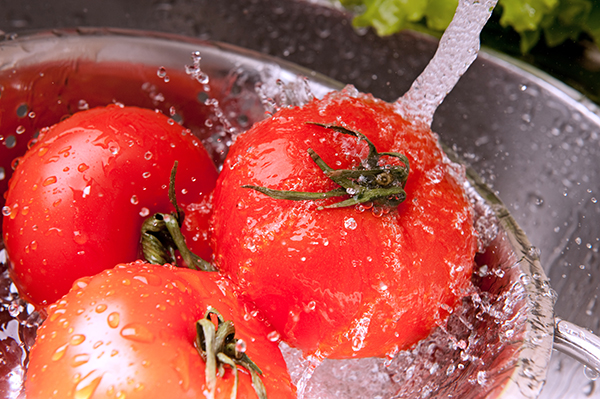
During the height of the summer, at least in the Midwest, farmers markets are in full swing and fresh produce is plentiful. Every backyard gardener is reaping the benefits of their work, with bountiful harvests of tomatoes and cucumbers. Everyone seems to have a neighbor who is trying to pawn off his or her over-production of cucumbers or summer squash during this time of year. When picking up that produce at the farmer’s market or from your neighbor down the street, have you ever given any thought to the microbial safety of it? Honestly, even in my position, it certainly is NOT the first thing that comes to my mind. But, earlier this month, I came across a news story out of Wisconsin discussing a Salmonella outbreak associated with shelled peas sold at a local farmers market. Who would have thought shelled peas would be impacted? The story noted, and it served as a great reminder, that most outbreaks associated with Salmonella in produce are due to mistakes made in handling or transportation of produce after harvesting.
Properly Cleaning and Sanitizing: The Right Chemical Mix to Maintain Ultimate Effectiveness
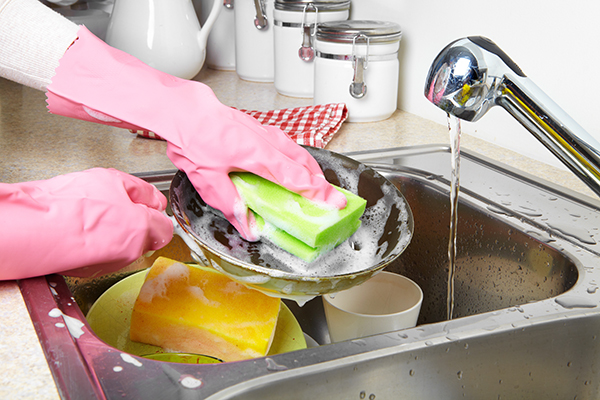
A few weeks ago, my family and I had the pleasure of setting sail on a cruise vacation. It is truly one of the only ways that I find that I am able to unplug from work and relax for a small spell. However, as I walked around the ship in our post-COVID world, I couldn’t help but admire all the extra cleaning steps the staff were undertaking to keep us all as safe as possible while in the middle of the ocean with 3,000 other vacationers. All of this cleaning and sanitizing had me thinking about how we each clean and sanitize our own operations and which chemicals we chose to use.
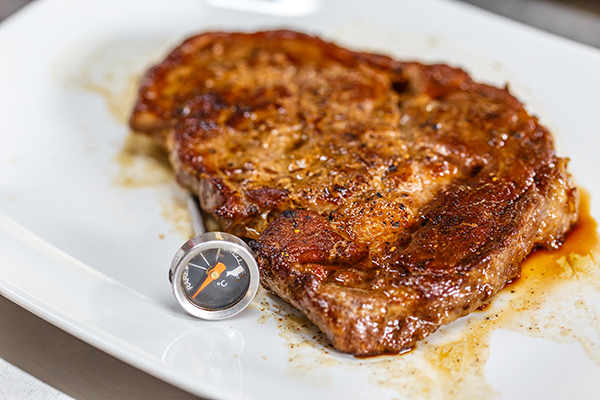
Proper Cooking Temperature: A Basic Food Safety Measure
Each summer, we see an increase in the incidence of foodborne illnesses. Perhaps this is because of the warmer temperatures making temperature control for Time/Temperature Control for Safety (TCS) food more difficult or perhaps it is the increased amount of people who are barbequing this time of year – it is National Picnic Month, after all!
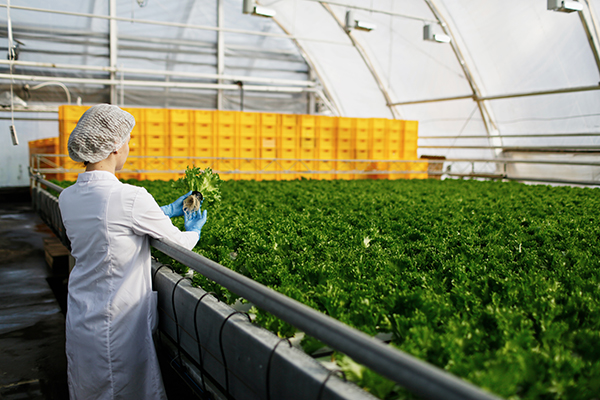
Changing Climate: The Unseen Impact on Food Safety
In June, I was asked to participate in the Allinfoodz podcast, put on by a colleague, Dr. Amit Sharma, at Penn State University. One of the points Dr. Sharma wanted to discuss was the impact of climate change on food safety, which is something I was certainly aware of, but not something I had done much research on. However, when preparing for the interview and podcast, it was interesting to learn more about the relationship between the two.