
Calibrating More Than Just Thermometers
While classic bimetallic-stemmed thermometers have largely given way to modern digital alternatives, the act of calibrating them remains a fundamental food safety ritual drilled into foodservice professionals from their first week on the job. However, if your kitchen’s verification strategy stops at thermometers, you leave significant blind spots in your food safety defense system.
Calibration is the process of configuring an instrument to produce results within an acceptable range. In a modern commercial kitchen, we rely on dozens of automated systems, mechanical components, and electronic meters to keep food safe and ensure sanitation compliance. If these systems drift off-target, the consequences can be disastrous. To achieve true operational control, operators must expand their scope and examine three frequently overlooked compliance areas: dish machines, chemical dispensers, and automated data loggers.
Whether you operate a high-temperature sanitizing or a low-temperature machine that uses chemical sanitizers, the built-in gauges are your only immediate window into compliance. The FDA Food Code requires that high-temperature final rinse cycles reach at least 180°F (or 165°F for stationary racks) to ensure the dishware’s surface reaches the required 160°F sanitizing threshold.
However, external mechanical temperature gauges on dish machines can easily lose calibration due to constant vibrations, scale buildup, and regular wear and tear. If a gauge displays 180°F but the water is hitting 172°F, you are inadvertently washing dishes in the danger zone. Verification requires secondary testing. Operators must regularly use single-use dishwasher testing labels that have been run through a full cycle to verify that the performance of the machine matches its readout.
In low-temperature dish machines, three-compartment sinks, and automated chemical dispensing systems, chemical concentration is a matter of balance. Too little chemical results in a failure to sanitize, leaving harmful pathogens behind. Too much chemical can result in chemical contamination of food contact surfaces, presenting a direct hazard to guests.
Automated wall-mounted chemical dispensers rely on small, internal metering tips to pull the precise ratio of water and concentrated chemical. Over time, chemical crystallization, water pressure fluctuations, and mineral buildup can alter these ratios. Relying solely on the dispenser to do its job without regular verification is a gamble. Dispensers must be checked against manual chemical test strips, and the delivery pumps must be adjusted if the parts-per-million (PPM) deviate from manufacturer and regulatory guidelines.
…these tasks depend heavily on your specific operation, including the volume of food you are pushing out, the exact type of equipment you use, and your production system…
As the industry shifts toward digital food safety management, automated Bluetooth and Wi-Fi data-loggers have become the gold standard for monitoring walk-in coolers, freezers, and hot-holding cabinets. These sensors provide incredible peace of mind by constantly tracking ambient temperatures and sending alerts if a unit fails. But technology is not infallible. Automated loggers require regular comparisons to ensure their internal software offset is reading correctly.
To ensure these critical checks do not fall through the cracks, operators should implement a Master Calibration Schedule. Tracking these moving parts requires structured organization rather than memory.
In my experience, there are certain things you need to handle daily, others you can tackle each week, and some that only need attention once a month. Keep in mind, though, that these tasks depend heavily on your specific operation, including the volume of food you are pushing out, the exact type of equipment you use, and your production system. While I know your time is valuable, taking a few hours to critically review your operation will yield massive rewards for your kitchen down the road.
Once you have your system in place, document everything in a centralized master logbook or within your digital operating platform. Record the date, the instrument identifier, the initial reading, any corrective actions taken, and the initials of the verifying employee. When a health inspector sees an organized, comprehensive calibration history that extends far beyond standard handheld probes, it signals a top-tier culture of food safety excellence. Risk Nothing.
READ MORE POSTS
The Eleven Commandments of Food Safety at Your Restaurant
Lists help us remember all kinds of information. Given the list of recent national foodborne outbreaks in the news, keep repeating this list to your food service team. They are kind of like “commandments”. As a professional in a food service facility we should think of the very basic food safety concepts that every crew member should aspire to learn, even though this list may have different priorities based on your menu. The first 3 apply to anyone who serves food, from a bag of popcorn to a full course meal. As chefs or managers, if we can “set the example” by repeating good food safety practices visibly to the crew, it will help them understand how important it is to the success of your facility. Thou shalt:

The Worst Customer Complaint: Foodborne Illness
Food service managers and crew try to follow the rules of food protection. Yet, occasionally a complaint may arise and these calls take priority over all other daily crises. If you have been in the food service industry long enough, you may have gotten one of these. A customer may claim, "I think your food made me ill." These words inflict instant anxiety. If it happens, here are some next steps to think about in advance of such a claim:
How Effective is Your Food Safety Training?
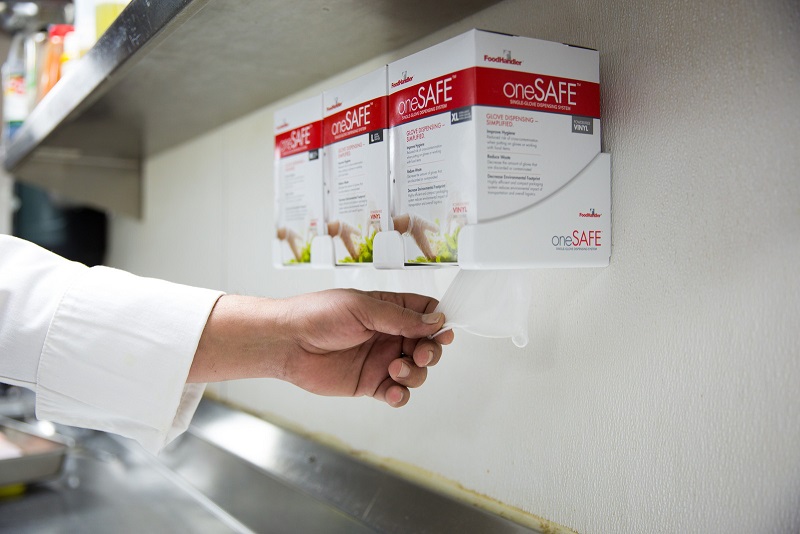
Basic food safety in a restaurant kitchen is not rocket science, but critically important for the crew to take the time to learn about it and for managers to set the example each day. Customers never expect or want to see a manager, chef, or a crew member make a very visible food safety mistake, like not washing hands before food prep and gloving, or touching their face or hair while prepping or handling food. Have we all seen it happen in our restaurant or as a customer elsewhere? Certainly. Are you using some creativity in your current training methods to help your staff “get it” so to speak, and reflect positive behaviors regarding food safety?
Why Does Food Spoil?
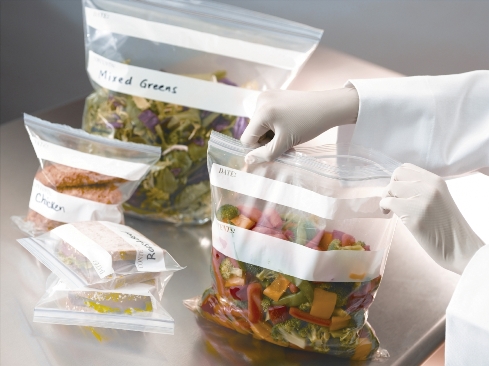
Food gradually deteriorates because of a natural process of aging, just like humans. However with all foods, there are a few things we can do that have a positive effect on the shelf life and safety of our foods at the restaurant. Some preservation is done at the food manufacturing plant, some naturally, but a better understanding of the processes may help you extend that shelf life. Preservation methods and storage conditions must be designed to reduce the rate of decomposition and protect the safety, appearance and taste of our food.