
Calibrating More Than Just Thermometers
While classic bimetallic-stemmed thermometers have largely given way to modern digital alternatives, the act of calibrating them remains a fundamental food safety ritual drilled into foodservice professionals from their first week on the job. However, if your kitchen’s verification strategy stops at thermometers, you leave significant blind spots in your food safety defense system.
Calibration is the process of configuring an instrument to produce results within an acceptable range. In a modern commercial kitchen, we rely on dozens of automated systems, mechanical components, and electronic meters to keep food safe and ensure sanitation compliance. If these systems drift off-target, the consequences can be disastrous. To achieve true operational control, operators must expand their scope and examine three frequently overlooked compliance areas: dish machines, chemical dispensers, and automated data loggers.
Whether you operate a high-temperature sanitizing or a low-temperature machine that uses chemical sanitizers, the built-in gauges are your only immediate window into compliance. The FDA Food Code requires that high-temperature final rinse cycles reach at least 180°F (or 165°F for stationary racks) to ensure the dishware’s surface reaches the required 160°F sanitizing threshold.
However, external mechanical temperature gauges on dish machines can easily lose calibration due to constant vibrations, scale buildup, and regular wear and tear. If a gauge displays 180°F but the water is hitting 172°F, you are inadvertently washing dishes in the danger zone. Verification requires secondary testing. Operators must regularly use single-use dishwasher testing labels that have been run through a full cycle to verify that the performance of the machine matches its readout.
In low-temperature dish machines, three-compartment sinks, and automated chemical dispensing systems, chemical concentration is a matter of balance. Too little chemical results in a failure to sanitize, leaving harmful pathogens behind. Too much chemical can result in chemical contamination of food contact surfaces, presenting a direct hazard to guests.
Automated wall-mounted chemical dispensers rely on small, internal metering tips to pull the precise ratio of water and concentrated chemical. Over time, chemical crystallization, water pressure fluctuations, and mineral buildup can alter these ratios. Relying solely on the dispenser to do its job without regular verification is a gamble. Dispensers must be checked against manual chemical test strips, and the delivery pumps must be adjusted if the parts-per-million (PPM) deviate from manufacturer and regulatory guidelines.
…these tasks depend heavily on your specific operation, including the volume of food you are pushing out, the exact type of equipment you use, and your production system…
As the industry shifts toward digital food safety management, automated Bluetooth and Wi-Fi data-loggers have become the gold standard for monitoring walk-in coolers, freezers, and hot-holding cabinets. These sensors provide incredible peace of mind by constantly tracking ambient temperatures and sending alerts if a unit fails. But technology is not infallible. Automated loggers require regular comparisons to ensure their internal software offset is reading correctly.
To ensure these critical checks do not fall through the cracks, operators should implement a Master Calibration Schedule. Tracking these moving parts requires structured organization rather than memory.
In my experience, there are certain things you need to handle daily, others you can tackle each week, and some that only need attention once a month. Keep in mind, though, that these tasks depend heavily on your specific operation, including the volume of food you are pushing out, the exact type of equipment you use, and your production system. While I know your time is valuable, taking a few hours to critically review your operation will yield massive rewards for your kitchen down the road.
Once you have your system in place, document everything in a centralized master logbook or within your digital operating platform. Record the date, the instrument identifier, the initial reading, any corrective actions taken, and the initials of the verifying employee. When a health inspector sees an organized, comprehensive calibration history that extends far beyond standard handheld probes, it signals a top-tier culture of food safety excellence. Risk Nothing.
READ MORE POSTS
Protecting Fresh Produce Post-Harvest, Integral to Safe Food
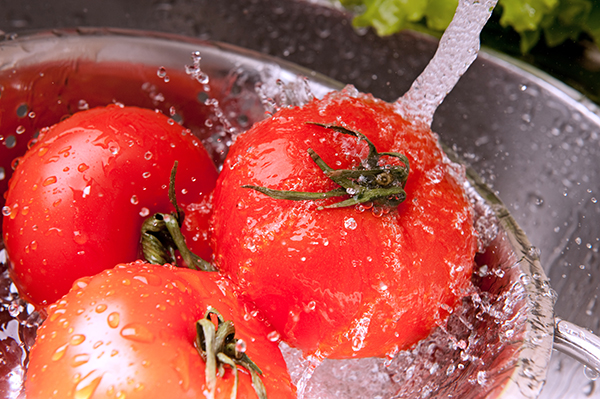
During the height of the summer, at least in the Midwest, farmers markets are in full swing and fresh produce is plentiful. Every backyard gardener is reaping the benefits of their work, with bountiful harvests of tomatoes and cucumbers. Everyone seems to have a neighbor who is trying to pawn off his or her over-production of cucumbers or summer squash during this time of year. When picking up that produce at the farmer’s market or from your neighbor down the street, have you ever given any thought to the microbial safety of it? Honestly, even in my position, it certainly is NOT the first thing that comes to my mind. But, earlier this month, I came across a news story out of Wisconsin discussing a Salmonella outbreak associated with shelled peas sold at a local farmers market. Who would have thought shelled peas would be impacted? The story noted, and it served as a great reminder, that most outbreaks associated with Salmonella in produce are due to mistakes made in handling or transportation of produce after harvesting.
Properly Cleaning and Sanitizing: The Right Chemical Mix to Maintain Ultimate Effectiveness
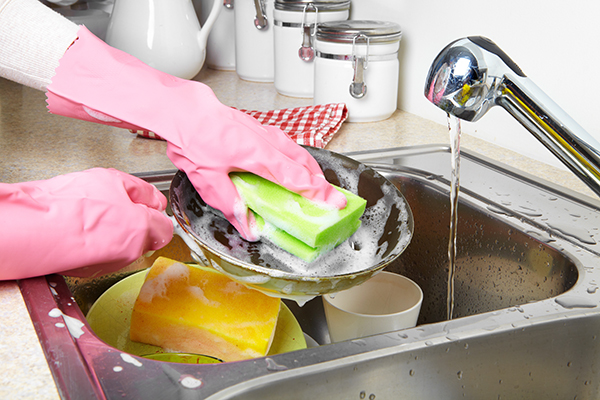
A few weeks ago, my family and I had the pleasure of setting sail on a cruise vacation. It is truly one of the only ways that I find that I am able to unplug from work and relax for a small spell. However, as I walked around the ship in our post-COVID world, I couldn’t help but admire all the extra cleaning steps the staff were undertaking to keep us all as safe as possible while in the middle of the ocean with 3,000 other vacationers. All of this cleaning and sanitizing had me thinking about how we each clean and sanitize our own operations and which chemicals we chose to use.
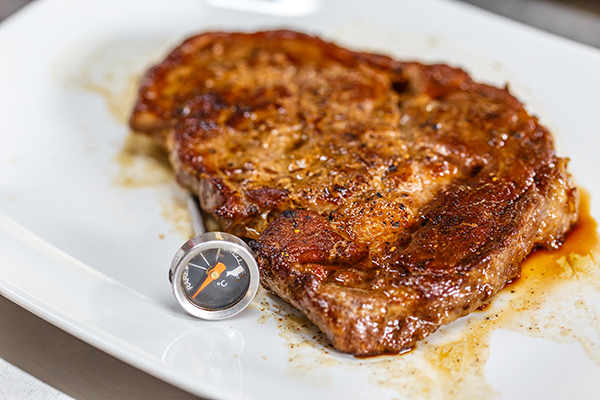
Proper Cooking Temperature: A Basic Food Safety Measure
Each summer, we see an increase in the incidence of foodborne illnesses. Perhaps this is because of the warmer temperatures making temperature control for Time/Temperature Control for Safety (TCS) food more difficult or perhaps it is the increased amount of people who are barbequing this time of year – it is National Picnic Month, after all!
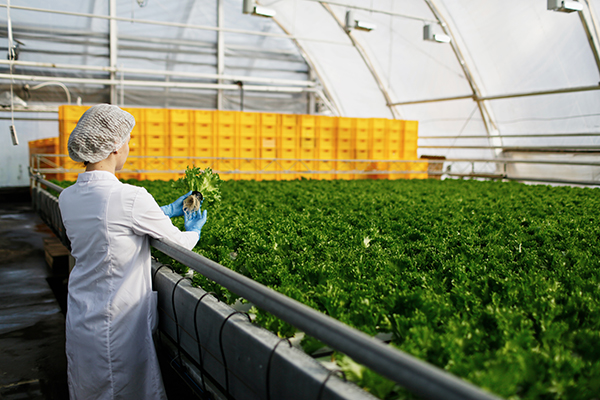
Changing Climate: The Unseen Impact on Food Safety
In June, I was asked to participate in the Allinfoodz podcast, put on by a colleague, Dr. Amit Sharma, at Penn State University. One of the points Dr. Sharma wanted to discuss was the impact of climate change on food safety, which is something I was certainly aware of, but not something I had done much research on. However, when preparing for the interview and podcast, it was interesting to learn more about the relationship between the two.