
Building an Internal Food Safety Audit Process
I can’t speak for you all, but one of the moments I always hated in the day-in-the-life of a foodservice manager was when the inspector walked in and let me know he was there to conduct an inspection. Our inspector ate in our operation quite frequently, but it was when he had his clipboard in hand (yes, he came with a clipboard back then) that I knew he was there for business. At that moment, the “what ifs” always played havoc on my mind.
It was also at that moment that I hoped our staff in the back of the house would notice that our inspector was there and that he was starting his inspection. Hoping that they would make sure things are in line before he really got to the “meat” of the inspection.
Now, our inspections generally went well. We had a great relationship with our inspector and very few, if any, bad inspections. But looking back, I can see we were managing to the inspection, not to the standards we had established.
So how can you manage to the standards versus managing to the inspection? Well, first, make sure you have strong standards in place. Then, conduct self-inspections. Sure, you can hire companies that will come in and do food safety audits, or even consultants who will do it. But you can have your own staff conduct a self-audit of the facility.
Every health department conducts inspections using a standardized form, and most are modeled on or adapted from the FDA model inspection form. The form is organized around the same risk categories that the food code prioritizes: employee health and hygiene, time and temperature controls, cross-contamination prevention, chemical handling, and facility maintenance.
…The temptation with any self-assessment is to grade generously. Resist it. The value of this process lives entirely in its honesty…
You probably haven’t looked at this form outside of an actual inspection, but you should. Your first step is to get a copy and use it as the basis for your self-audit. Most jurisdictions post their inspection forms online. If yours doesn’t, call your local health department and ask; they will provide one. This is the document your inspector walks through item by item during every visit.
The form only works as a tool if you use it consistently. For most operations, a monthly self-audit is a reasonable starting point. Some high-volume or high-risk operations may benefit from weekly or even daily spot checks on the highest-priority items, such as temperature logs, handwashing compliance, and sanitizer concentrations.
Assign the audit to your designated person in charge (PIC) for that shift. This serves a dual purpose: it reinforces the PIC’s ownership of food safety compliance and builds the operational awareness that makes the PIC effective during an actual inspection. A PIC who regularly audits the operation knows where the vulnerabilities are, understands the follow-up questions an inspector might ask, and can confidently speak to corrective actions.
The temptation with any self-assessment is to grade generously. Resist it. The value of this process lives entirely in its honesty. If the walk-in cooler is running at 43°F instead of 41°F, mark it. If the three-compartment sink sanitizer concentration is low, mark it. If an employee can’t tell you when they’re required to wash their hands, mark it.
Document what you find the same way an inspector would. Write down the specific observation and the corrective action taken.
If you happen to notice trends in the data from self-audit to self-audit, that’s not a fluke. That’s a systems problem that needs a systems-level fix. Every finding needs a corrective action, a responsible person, and a timeline.
This is also where internal audits can help with training. If your audits consistently reveal employees are struggling with a particular requirement, use it as a signal that your training program needs attention in that area.
Health inspections aren’t pass-fail exams you cram for the night before. They’re snapshots of how your operation runs on any given day. The operators who consistently perform well are the ones who have made the inspection standard their everyday standard. Building a self-audit process is the most direct way to close that gap. It’s free, it’s practical, and it turns your PIC from someone who reacts to inspections into someone who’s already done the work before the inspector arrives. Risk Nothing.
READ MORE POSTS
How Effective is Your Food Safety Training?
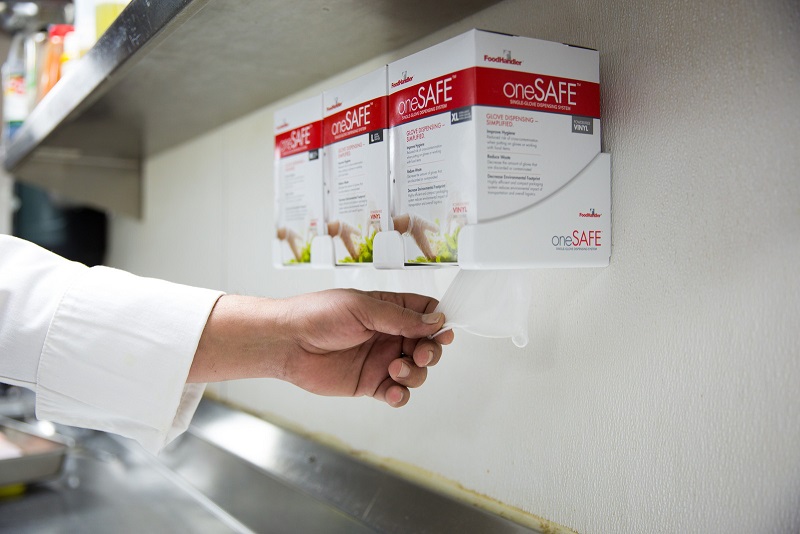
Basic food safety in a restaurant kitchen is not rocket science, but critically important for the crew to take the time to learn about it and for managers to set the example each day. Customers never expect or want to see a manager, chef, or a crew member make a very visible food safety mistake, like not washing hands before food prep and gloving, or touching their face or hair while prepping or handling food. Have we all seen it happen in our restaurant or as a customer elsewhere? Certainly. Are you using some creativity in your current training methods to help your staff “get it” so to speak, and reflect positive behaviors regarding food safety?
Why Does Food Spoil?
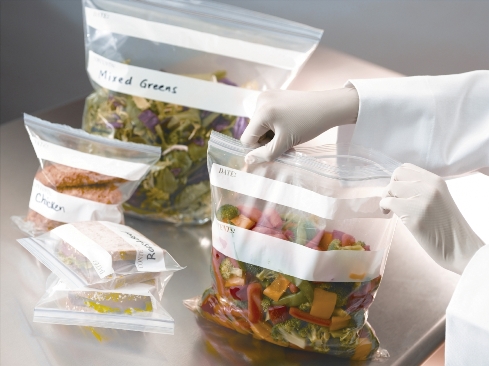
Food gradually deteriorates because of a natural process of aging, just like humans. However with all foods, there are a few things we can do that have a positive effect on the shelf life and safety of our foods at the restaurant. Some preservation is done at the food manufacturing plant, some naturally, but a better understanding of the processes may help you extend that shelf life. Preservation methods and storage conditions must be designed to reduce the rate of decomposition and protect the safety, appearance and taste of our food.

Top Food Safety Websites
You ask…How do I learn about food safety regulation? What pathogens in foods can make me sick? What temperature should I safely cook my roast beef to and how do I take food temperatures? How do I clean and sanitize anything according to the FDA Food Code? What and where is the most recent version of the FDA Food Code? Where can I find food safety educational materials galore in book form or online? Do I need them in Spanish or a Chinese dialect?