
Always-Safe Trumps Inspection-Ready: The Importance of Self-Audits
One of my earliest memories of working in a restaurant, and of being aware of the health inspector, comes from when I was first training on the grill line. The restaurant had an open kitchen, with the front grill line facing the front doors. Suddenly, the lead grill cook started frantically organizing the reach-in refrigerator on the line, covering things she had uncovered just minutes before. When I asked her what was going on, she pointed to a gentleman who had just walked through the front door. He was the health inspector, someone I would come to know well later in my career, and she feared he was there for the yearly inspection. As it turned out, he was just stopping in to grab lunch. But that memory has stayed with me all these years later.
If that scene sounds familiar, you’re running an inspection-ready kitchen. To be fair, it usually works on inspection day. The problem is the other 364 days, when nobody walks in with a clipboard, and the food still must be safe. Let’s talk about closing that gap with small daily habits that make self-auditing second nature.
I am sure I have said this before in a blog, but it bears repeating: an inspection is a snapshot. An inspector may visit once or a few times a year, but cooling, holding, and handwashing need to be done correctly day in and day out.
The scramble on inspection day also teaches staff food safety matters only when someone important is watching. It also discounts the impact of a food safety culture on your entire organization.
The FDA made food safety culture one of the four core elements of its New Era of Smarter Food Safety blueprint, and as we discussed last month, the 2026 Food Code makes active managerial control an explicit duty of the person in charge.
…The best inspection prep is invisible. If your team needs a scramble before the inspector arrives, the gap between your “inspection day” kitchen and your “normal day” kitchen is your real risk. Close it with short, owned, daily checks, and celebrate every problem caught early…
The fix isn’t a bigger binder or more policies and procedures. Sure, we need to have them in place, but it is about making sure we integrate them into the flow of our organization and assign people to be responsibile for taking care of them. It’s a rhythm of short checks tied to the flow of the day (temperatures follow the FDA Food Code; check your local code if it differs):
- Opening (about 5 minutes). Confirm coolers are at 41°F or below, test sanitizer, ensure hand sinks are stocked and clear, complete the staff health check, and check labels and dates on prepped food.
- Mid-shift (about 2 minutes, every few hours). Check hot holding at 135°F or above and cold holding at 41°F or below; swap sanitizer buckets; and make sure raw proteins are below ready-to-eat foods.
- Closing (about 10 minutes). Finish the cooling log (135°F to 70°F within 2 hours, then to 41°F within 4 more), cover and date everything, and sanitize food-contact surfaces.
- Weekly. Deep-clean hood filters, drains, and under-equipment areas; calibrate thermometers; check walk-in gaskets for pest activity; and toss anything past its 7-day mark.
- Monthly. Walk the kitchen using your health department’s inspection form, review the month’s logs for repeat misses, and spend 10 minutes during pre-shift on the item your team missed most.
That monthly walk-through is the secret weapon. If you inspect yourself with the inspector’s form, there are no surprises when they use it.
The key is to make it part of the work, not additional work that employees need to do. Checklists fail when they feel like homework. They succeed when a role owns them, and they’re anchored to something that already happens.
One practice I really liked, which I observed in a full-service restaurant a few years ago, was the peer station swap. Once per shift, each line cook spends 60 seconds checking the neighboring station (temperatures, labels, cutting boards) and tells their peer what they saw. It’s coaching, not a write-up.
To see if the habit is sticking, track a few simple numbers each week. How many of your scheduled checks got done? Aim for 95% or better. How long does it take to fix a problem once someone finds it? And is the same item failing repeatedly? That usually means the system needs fixing, not the person. Over time, you should also see fewer violations on your inspections.
You don’t need expensive software to make self-audits stick. Check out our SafeBites webinar later this month for some ideas on low-cost training solutions.
In the end, the goal isn’t a perfect score on inspection day. It’s a kitchen that would earn that score on any day. Risk Nothing.
READ MORE POSTS

The Cold Chain in the Hot Summer Months
Keeping foods at proper cold holding temperatures (between 28°F and 41°F maximum or 0°F for frozen food) from the food manufacturers to your customers has to be one of our strongest links to safe food. Sometimes that is referred to in the food industry as “maintaining the COLD CHAIN”. Any slip ups in the cold chain, and we have a weak link. If you accept the food, you have greatly increased your foodborne illness risk and compromised your food quality.
Routes of Foodborne Illness & Germs
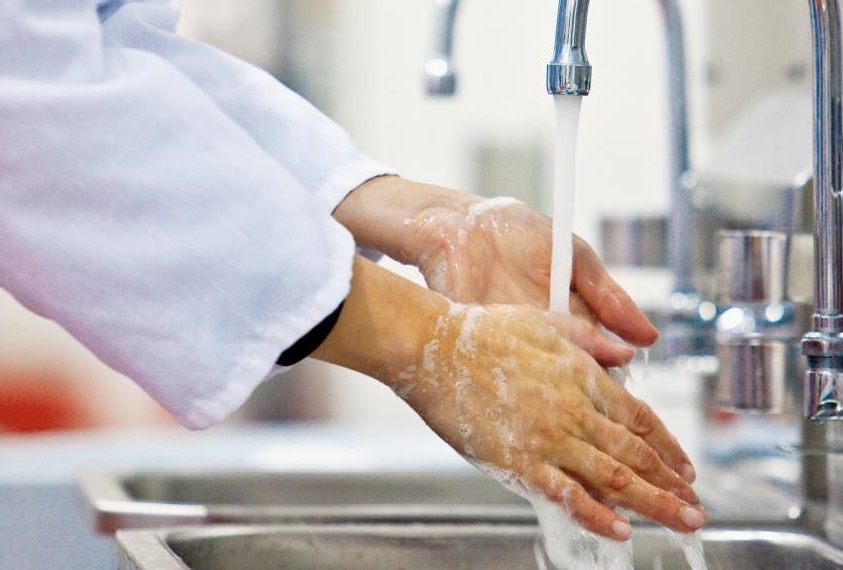
From your sniffling coworker to the raw chicken on your kitchen cutting board, everyday life is full of potential infectious hazards. With germs so common and seemingly everywhere, knowing how germs spread is vital to preventing infection and foodborne illness. There are seven possible ways for the transmission of bacteria and viruses to take place. Although some of these microorganisms in our environment are good for us and protect us, disease causing pathogens are the germs or bad guys.
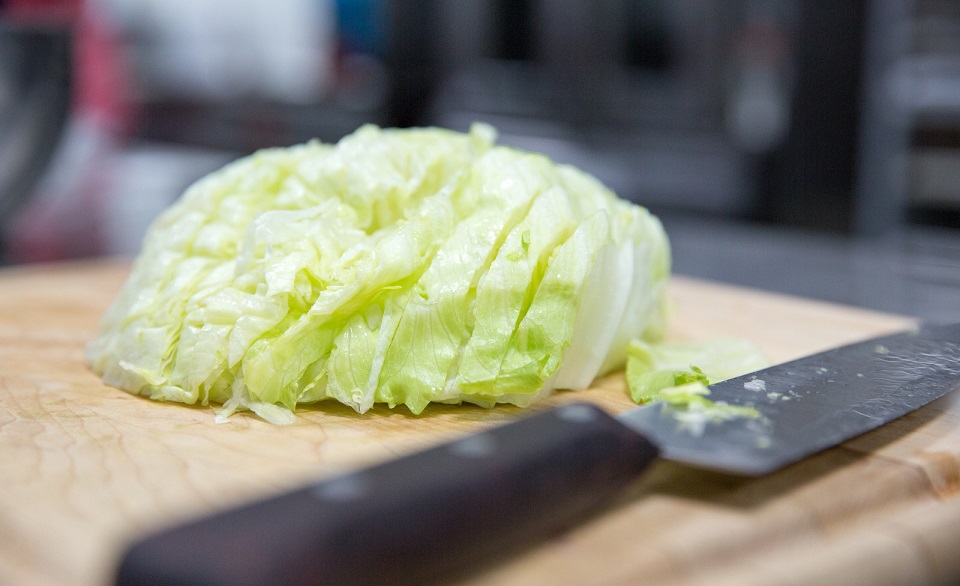
Handling Leafy Green Salad
We have had several produce outbreaks of foodborne disease from our lettuce, spinach, and other greens in the last several years that have been devastating to the produce growers and distributors, retail grocery stores, restaurants, and consumers.
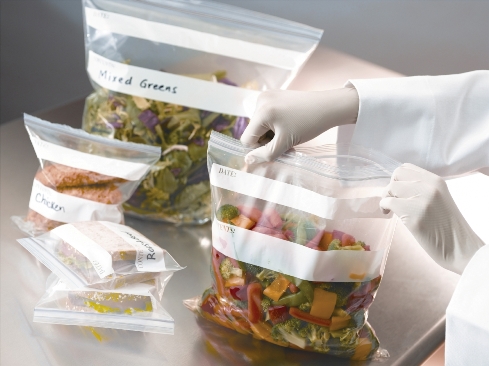
Food Packaging Safety in a Vacuum
Extending the shelf life of fresh foods has come a long way in the food industry since curing meats with salt and sugar or canning vegetables with heat processing. The food service and consumer markets needed some better visual packages to draw the eye to the freshness factor and the technology of food packaging has filled our dinner plate. Vacuum packaging and modified atmosphere packaging, shortened to “MAP”, are the terms used for the method of food packaging used every time we choose convenience over more complex scratch meal preparation. According to industry statistics, billions of packages of vacuum and MAP-packaged foods flood the marketplace today. In both modified-atmosphere and vacuum packaging, food is packaged in a pouch made of barrier film.