
Always-Safe Trumps Inspection-Ready: The Importance of Self-Audits
One of my earliest memories of working in a restaurant, and of being aware of the health inspector, comes from when I was first training on the grill line. The restaurant had an open kitchen, with the front grill line facing the front doors. Suddenly, the lead grill cook started frantically organizing the reach-in refrigerator on the line, covering things she had uncovered just minutes before. When I asked her what was going on, she pointed to a gentleman who had just walked through the front door. He was the health inspector, someone I would come to know well later in my career, and she feared he was there for the yearly inspection. As it turned out, he was just stopping in to grab lunch. But that memory has stayed with me all these years later.
If that scene sounds familiar, you’re running an inspection-ready kitchen. To be fair, it usually works on inspection day. The problem is the other 364 days, when nobody walks in with a clipboard, and the food still must be safe. Let’s talk about closing that gap with small daily habits that make self-auditing second nature.
I am sure I have said this before in a blog, but it bears repeating: an inspection is a snapshot. An inspector may visit once or a few times a year, but cooling, holding, and handwashing need to be done correctly day in and day out.
The scramble on inspection day also teaches staff food safety matters only when someone important is watching. It also discounts the impact of a food safety culture on your entire organization.
The FDA made food safety culture one of the four core elements of its New Era of Smarter Food Safety blueprint, and as we discussed last month, the 2026 Food Code makes active managerial control an explicit duty of the person in charge.
…The best inspection prep is invisible. If your team needs a scramble before the inspector arrives, the gap between your “inspection day” kitchen and your “normal day” kitchen is your real risk. Close it with short, owned, daily checks, and celebrate every problem caught early…
The fix isn’t a bigger binder or more policies and procedures. Sure, we need to have them in place, but it is about making sure we integrate them into the flow of our organization and assign people to be responsibile for taking care of them. It’s a rhythm of short checks tied to the flow of the day (temperatures follow the FDA Food Code; check your local code if it differs):
- Opening (about 5 minutes). Confirm coolers are at 41°F or below, test sanitizer, ensure hand sinks are stocked and clear, complete the staff health check, and check labels and dates on prepped food.
- Mid-shift (about 2 minutes, every few hours). Check hot holding at 135°F or above and cold holding at 41°F or below; swap sanitizer buckets; and make sure raw proteins are below ready-to-eat foods.
- Closing (about 10 minutes). Finish the cooling log (135°F to 70°F within 2 hours, then to 41°F within 4 more), cover and date everything, and sanitize food-contact surfaces.
- Weekly. Deep-clean hood filters, drains, and under-equipment areas; calibrate thermometers; check walk-in gaskets for pest activity; and toss anything past its 7-day mark.
- Monthly. Walk the kitchen using your health department’s inspection form, review the month’s logs for repeat misses, and spend 10 minutes during pre-shift on the item your team missed most.
That monthly walk-through is the secret weapon. If you inspect yourself with the inspector’s form, there are no surprises when they use it.
The key is to make it part of the work, not additional work that employees need to do. Checklists fail when they feel like homework. They succeed when a role owns them, and they’re anchored to something that already happens.
One practice I really liked, which I observed in a full-service restaurant a few years ago, was the peer station swap. Once per shift, each line cook spends 60 seconds checking the neighboring station (temperatures, labels, cutting boards) and tells their peer what they saw. It’s coaching, not a write-up.
To see if the habit is sticking, track a few simple numbers each week. How many of your scheduled checks got done? Aim for 95% or better. How long does it take to fix a problem once someone finds it? And is the same item failing repeatedly? That usually means the system needs fixing, not the person. Over time, you should also see fewer violations on your inspections.
You don’t need expensive software to make self-audits stick. Check out our SafeBites webinar later this month for some ideas on low-cost training solutions.
In the end, the goal isn’t a perfect score on inspection day. It’s a kitchen that would earn that score on any day. Risk Nothing.
READ MORE POSTS
Refrigeration Tips to Keep Your Food Safe
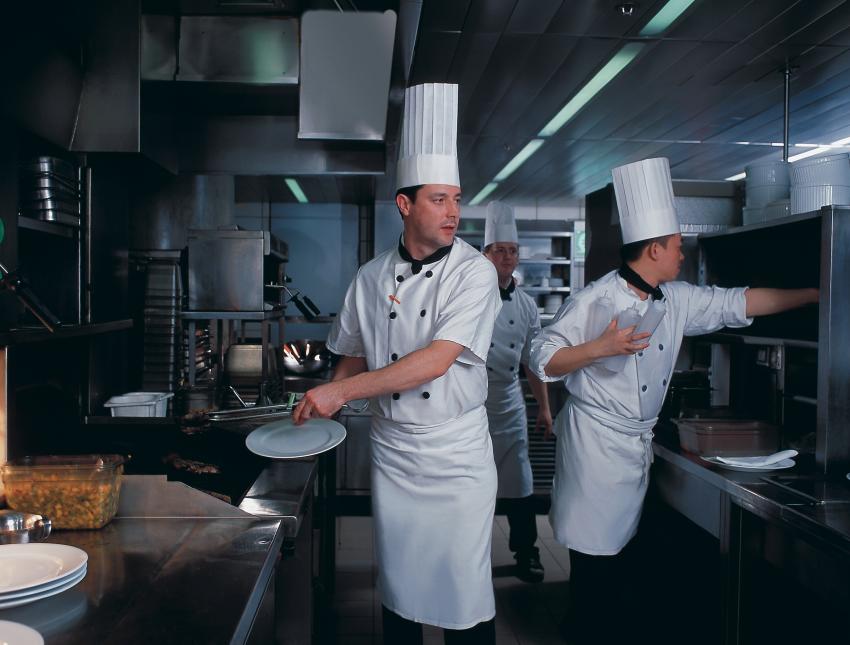
A refrigerator is one of the most important pieces of kitchen equipment for keeping foods safe. In a food service environment, our existence depends on the cooling equipment. The science of refrigeration has evolved from prehistoric times when man found his wild game would last longer packed in the coolness of a cave or packed in snow. Our ancestors harvested ice to keep food cold. Now, if the power goes off, we are instantly reminded of the refrigerator’s importance to our daily life, at home and certainly in a food service facility.
Food Service Hand Hygiene: Basic Handwashing – Part II
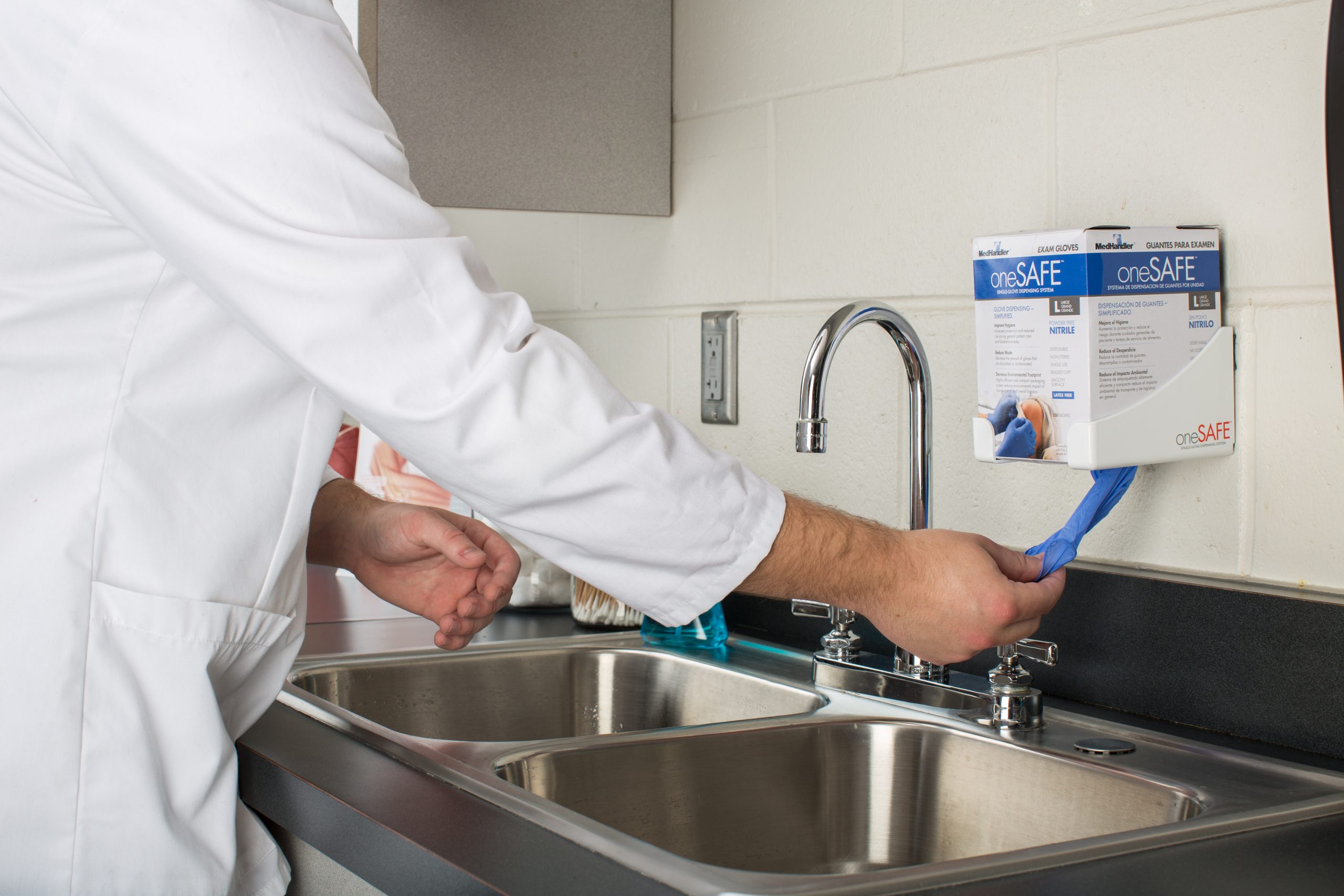
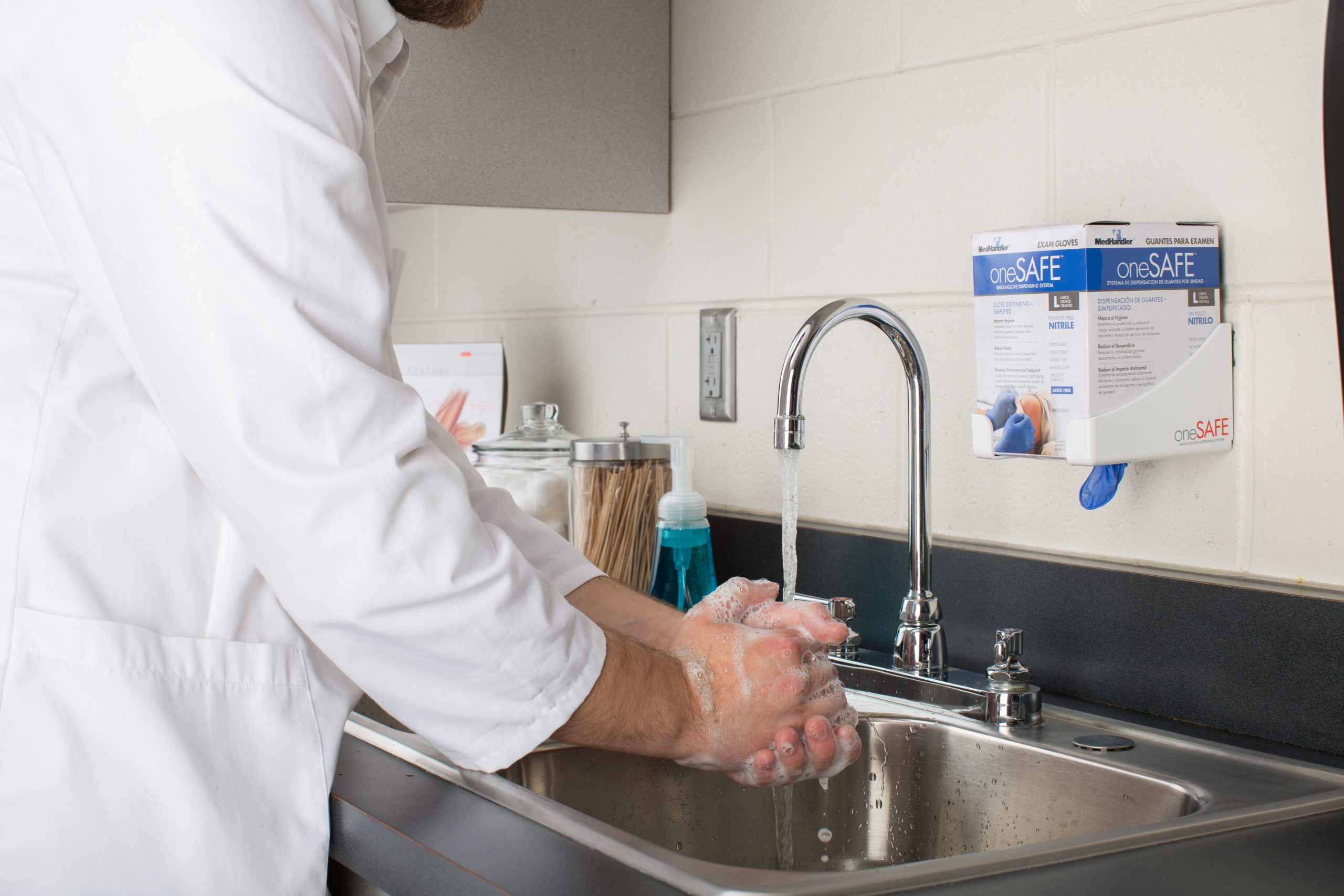
Ignoring handwashing as a priority is easy until faced with a crippling lawsuit. Your risk of transmitting a foodborne disease via a food workers hands will never be zero, but the good news is training your crew about handwashing is not complicated. Molding behavior to do it at the right time, using the correct method is the tough part. The Centers for Disease Control & Prevention says the single most effective way to stop the spread of infection is through handwashing. Last month’s article was on the physical equipment to help get better handwashing compliance. The most important part is the practice of the basic handwashing steps:
The Physical Elements of Food Service Hand Hygiene – Part I
September is National Food Safety Education Month and the theme has a rhyme to it – “Keep Hands Clean with Good Hygiene”. Hand washing is one of the public’s best defenses against the spread of both common and rare, even life-threatening, diseases including those caused by food, and against gastrointestinal infections caused by such organisms as the Norovirus, which plagues the cruise ship industry and food service in general.
The Incredible, Edible Egg Safety Quiz
This nutritious, delicate food is a part of many food service menus as a main course and one of the most common ingredients. The U.S. Dept. of Agriculture says Americans consume an average of 234 eggs per person per year. Eggs have also been the source of some significant foodborne outbreaks in the U.S. from one specific type of Salmonella. While eggs are an important source of protein in the diet, an estimated 1 in 20,000 eggs in the U.S. supply will contain the SE (Salmonella Enteritidis) bacteria and can cause illness if eaten raw in foods or not thoroughly cooked before consumption.