
The Second Wave: Food Safety Myths That Deserve Your Attention
Walk into any commercial kitchen, and you’ll find hardworking staff following protocols they have learned over the years. Many are correct, but others are dangerously wrong. In our last blog, we started exploring these myths, and once I started, I couldn’t stop!
- Myth #5: Sanitizer Works Instantly
Sometimes our staff see sanitizer as a quick fix: spray, wipe, and move on. In a busy kitchen where speed matters, the assumption is that chemical contact equals instant sanitation. And while we should be happy when employees are using the sanitizer, it takes time for it to be effective.
Each type of sanitizer: chlorine-based, quaternary ammonium compounds, and iodine-based solutions, needs time in contact with the surface to be effective. Contact time will depend on the concentration of the solution. Too weak, and it’s ineffective; too strong, and it leaves toxic residues.
It is also vital to remember that sanitizers only work on clean surfaces, as soil, grease, and food debris can shield bacteria from chemical contact, thereby reducing the overall efficacy of the sanitizer.
…proper cooking can’t undo what happened when food sat in the danger zone for too long…
-
· Myth #6: Food Is Safe Once It Reaches the Right Temperature
End-point cooking temperatures are heavily emphasized in food safety training, leading to the belief that hitting 165°F (or other required temperatures) is the endpoint of safety.
Proper cooking can’t undo what happened when food sat in the danger zone. Reaching the correct internal temperature kills pathogens present at that moment, but it doesn’t reverse toxin production that has already occurred due to temperature abuse. For example, Staphylococcus aureus produces heat-stable toxins when food sits in the danger zone. When cooked, the cooking process can kill the bacteria, but doesn’t destroy the toxins, which can still cause severe vomiting and illness. Similarly, Bacillus cereus forms heat-resistant spores that survive cooking. If contaminated rice sits at room temperature after cooking, spores germinate and produce toxins; reheating won’t make it safe. Proper temperature control throughout the entire food flow is critical, not just at the cooking step.
· Myth #7: Buffets and Salad Bars Are Inherently Risky but Unavoidable
Self-service operations carry an elevated risk due to customer handling, extended display times, and potential contamination from one customer to the next. Many operators simply accept violations as part of the business, but it doesn’t have to be that way.
While buffets and salad bars present challenges, proper controls make them as safe as other service styles. The primary risks include time-temperature abuse, cross-contamination from customers, and environmental contamination. The FDA Food Code outlines specific requirements for self-service operations, which, when followed, help mitigate these risks. Operators who dismiss buffet safety as impossible to control create liability and help to perpetuate this myth.
· Myth #8: You Should Wash All Produce, even if it is Pre-Washed
Some employees perpetuate the myth that you should always wash produce, even if it is pre-washed. I think this may harken back to the “we’ve always done it this way” mentality.
However, if the produce packaging notes that the product is “pre-washed,” “triple-washed,” or “ready-to-eat”, please don’t feel the need to re-wash it! If pathogens survive commercial washing during processing, your employees and processes will not reduce pathogens to safe levels through additional washing. In fact, rewashing in your operation creates a greater risk of cross-contamination than using the product straight from the package.
Food safety myths are dangerous precisely because they seem sophisticated or are accepted as “standards” in some businesses. By supporting a food-safe culture, you encourage your employees to challenge every assumption, require evidence-based practices, and never accept “we’ve always done it this way” as justification. Your operation’s success depends on eliminating not just the obvious mistakes, but also the subtle ones that hide in plain sight.
Have you observed some of these myths shared among your colleagues, or do you have stories to tell of your own? We would love to hear them! Drop me a note at foodsafety@foodhandler.com and share them with us. With your permission, I may be able to use them in a future blog. Risk Nothing.
READ MORE POSTS
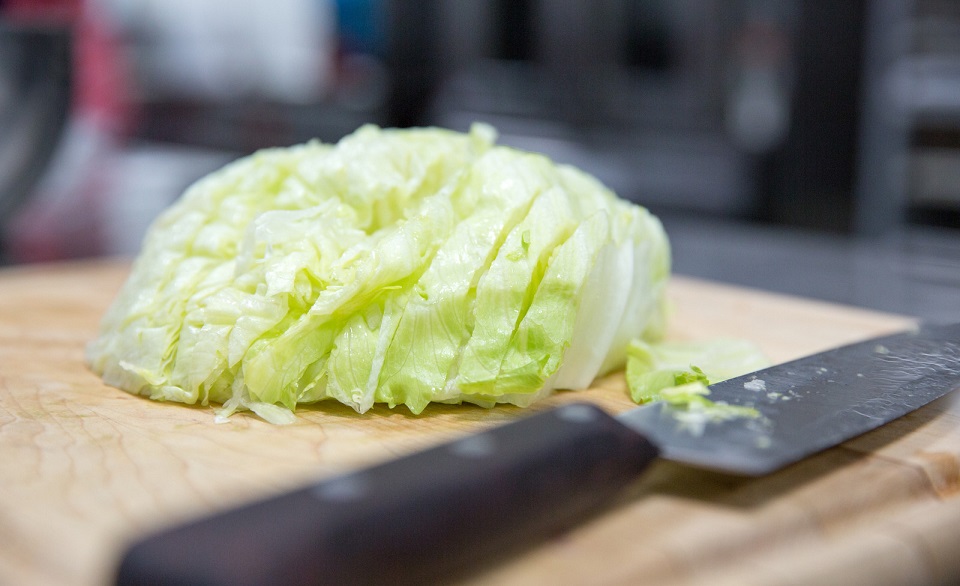
Greens & Spinach – Please Lettuce Be Safe to Eat
According to the new food nutrition pyramid, we are to eat at a minimum, around 3 cups of dark green vegetables along with other servings of fruits and vegetables each week. That is becoming more difficult as outbreaks such as E. coli 0157:H7 creates bad news for the produce industry, not to mention the victims.
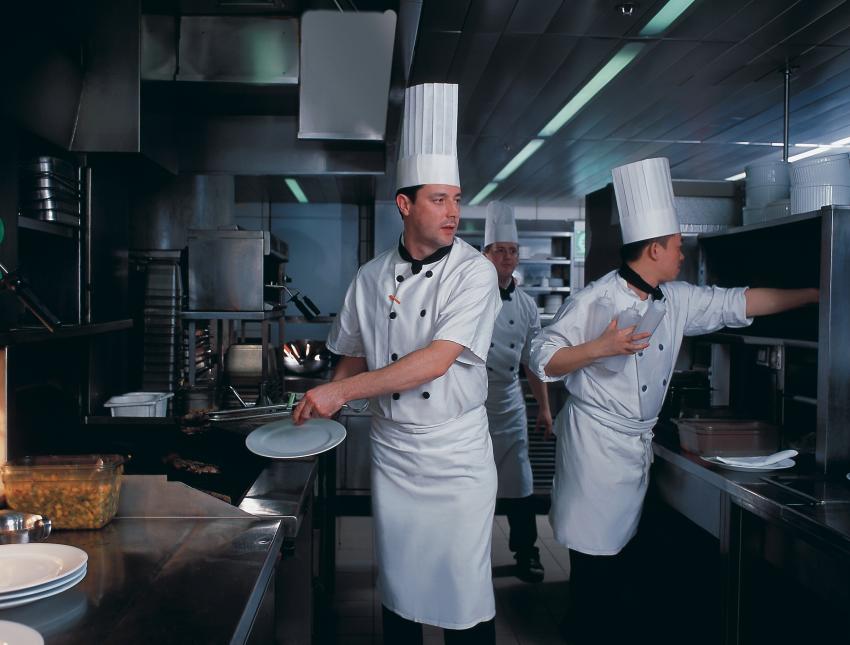
Refrigeration Tips to Keep Your Food Safe
A refrigerator is one of the most important pieces of kitchen equipment for keeping foods safe. In a food service environment, our existence depends on the cooling equipment. The science of refrigeration has evolved from prehistoric times when man found his wild game would last longer packed in the coolness of a cave or packed in snow. Our ancestors harvested ice to keep food cold. Now, if the power goes off, we are instantly reminded of the refrigerator’s importance to our daily life, at home and certainly in a food service facility.
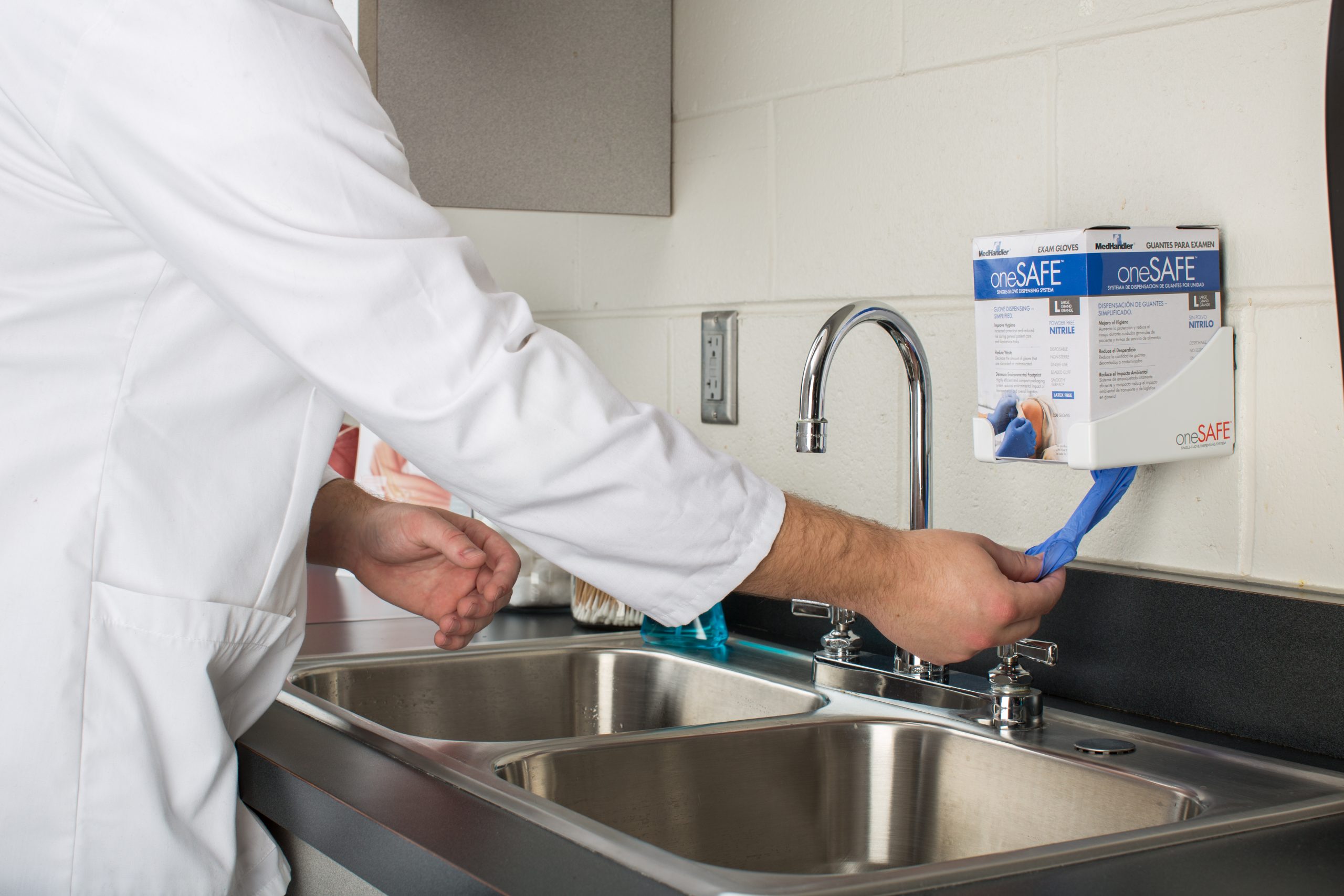
Food Service Hand Hygiene: Basic Handwashing – Part II
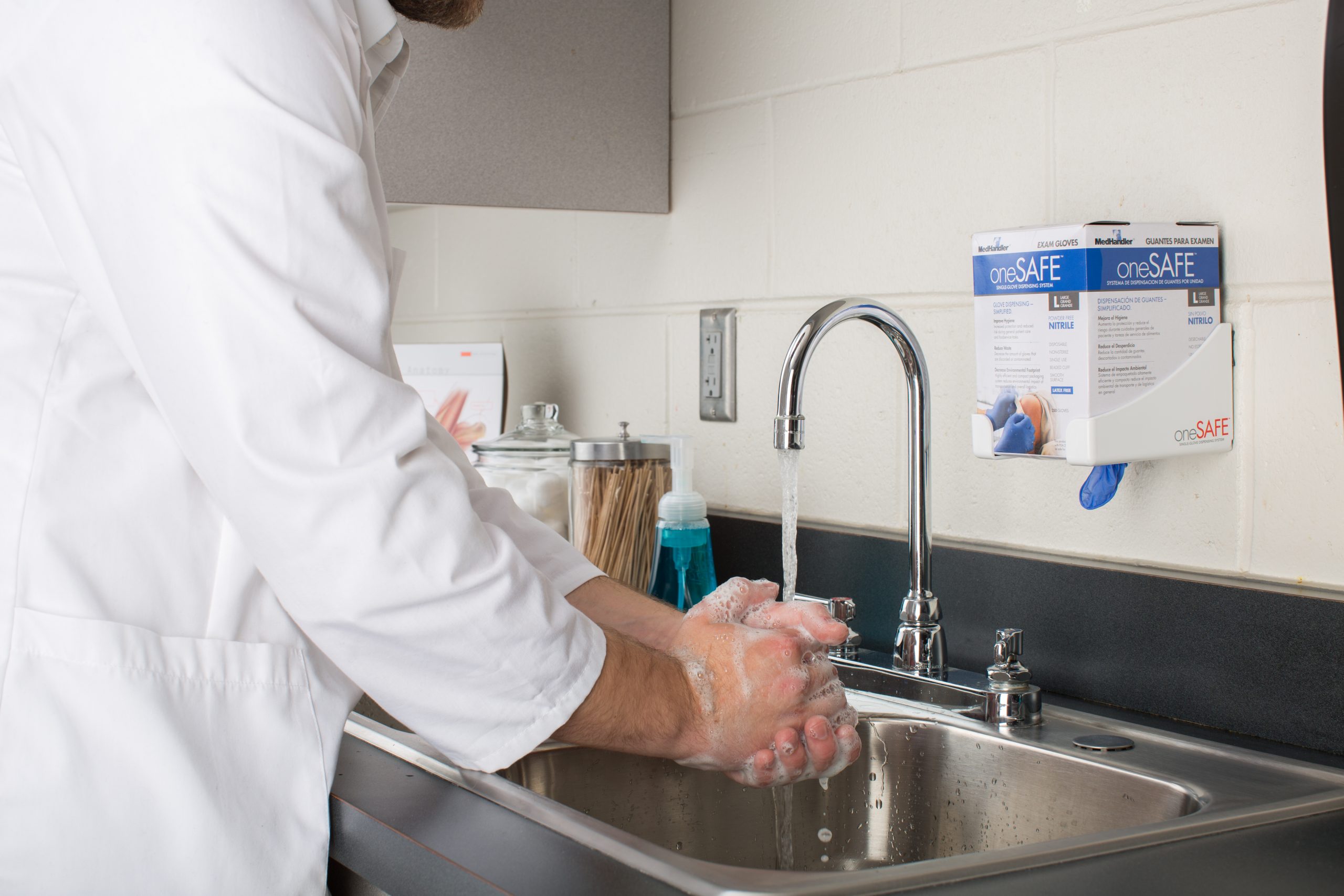
Ignoring handwashing as a priority is easy until faced with a crippling lawsuit. Your risk of transmitting a foodborne disease via a food workers hands will never be zero, but the good news is training your crew about handwashing is not complicated. Molding behavior to do it at the right time, using the correct method is the tough part. The Centers for Disease Control & Prevention says the single most effective way to stop the spread of infection is through handwashing. Last month’s article was on the physical equipment to help get better handwashing compliance. The most important part is the practice of the basic handwashing steps:
The Physical Elements of Food Service Hand Hygiene – Part I
September is National Food Safety Education Month and the theme has a rhyme to it – “Keep Hands Clean with Good Hygiene”. Hand washing is one of the public’s best defenses against the spread of both common and rare, even life-threatening, diseases including those caused by food, and against gastrointestinal infections caused by such organisms as the Norovirus, which plagues the cruise ship industry and food service in general.