
Building an Internal Food Safety Audit Process
Tayler Greenwood2026-05-21T22:18:27+00:00I can’t speak for you all, but one of the moments I always hated in the day-in-the-life of a foodservice manager was when [...]
I can’t speak for you all, but one of the moments I always hated in the day-in-the-life of a foodservice manager was when [...]
Every restaurant has someone running the show during any given shift. The FDA Food Code has a name for that person, the Person [...]
The restaurant industry continues to face a growing challenge: understaffing. According to recent industry reporting, labor shortages are not only costly for operators [...]
In our last blog, we established that while the FDA Food Code doesn’t explicitly require a written employee health policy, a verbal system [...]
Last month, we introduced you to the foodborne pathogens every foodservice employee should know by name: Norovirus, Hepatitis A, Salmonella Typhi, Shigella, E. [...]
Last month we talked about norovirus, the leading cause of foodborne illness outbreaks. Today we will turn our attention to overall employee health, and its role in keeping food safe. Many of you who are in my generation can relate to the fact that you rarely called in to work sick, and when you did you probably couldn’t get out of bed. You may also relate to being a manager and discouraging people from calling in sick because it was so difficult to be short-handed. Well, that mind set just has to change for the health of everyone!
Food service managers and crew try to follow the rules of food protection. Yet, occasionally a complaint may arise and these calls take priority over all other daily crises. If you have been in the food service industry long enough, you may have gotten one of these. A customer may claim, "I think your food made me ill." These words inflict instant anxiety. If it happens, here are some next steps to think about in advance of such a claim:
Every food establishment uses, processes, and sells food in different ways. However, the general issues and key principles of food safety remain the same, whatever the style of the operation. All food safety training programs should contain the “big 3” factors that could cause food to become unsafe. Food must be kept out of harms way from human errors, but if you don’t train food workers what they are, they won’t know why these factors are so important to your operation. The basics can make us or break us in one or maybe two food handling mistakes.
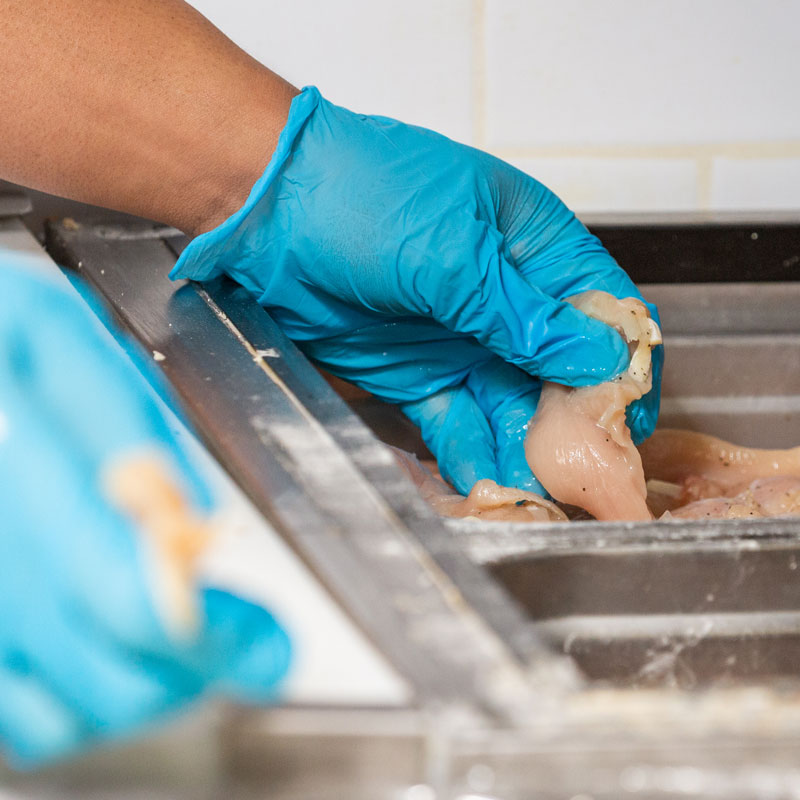
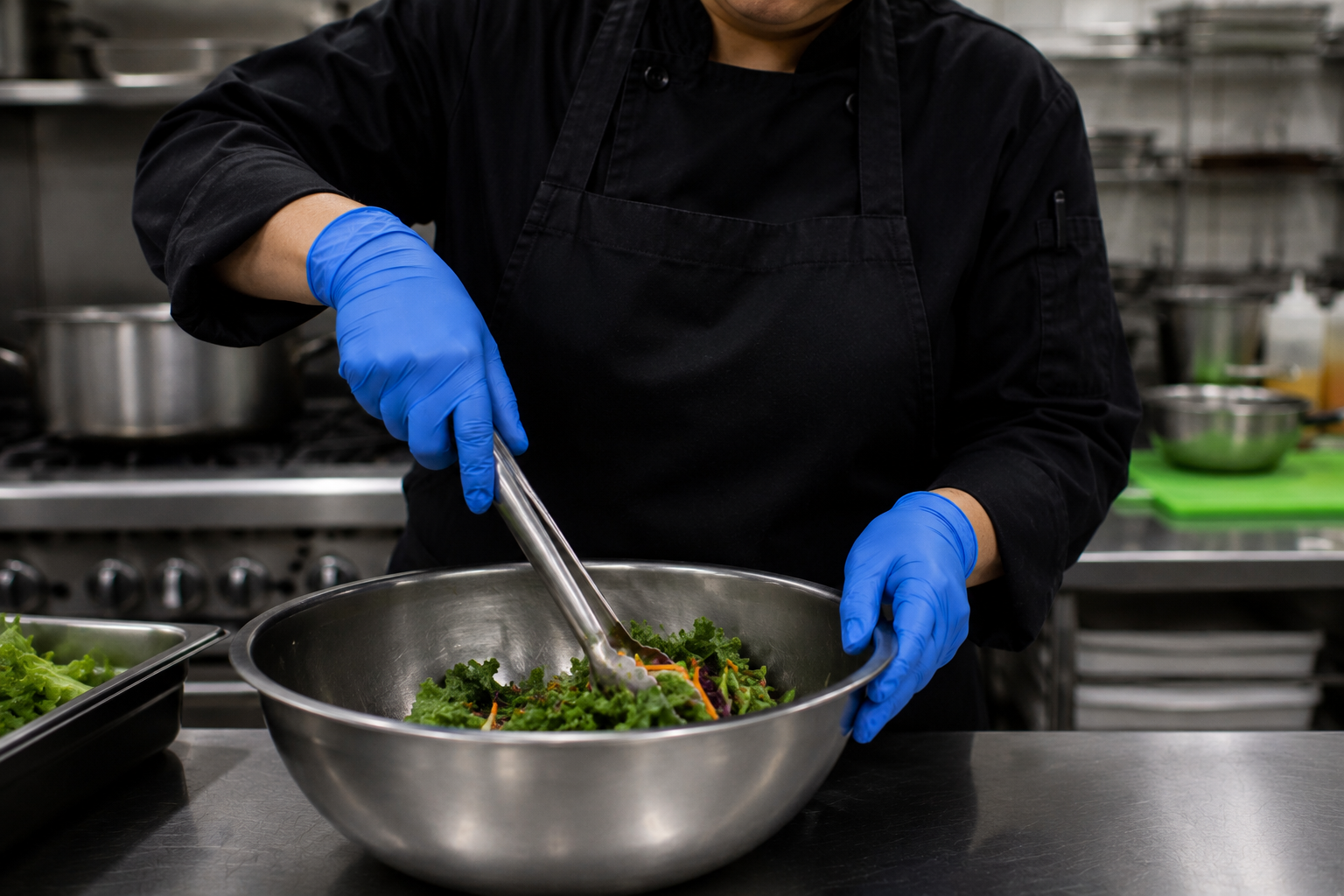
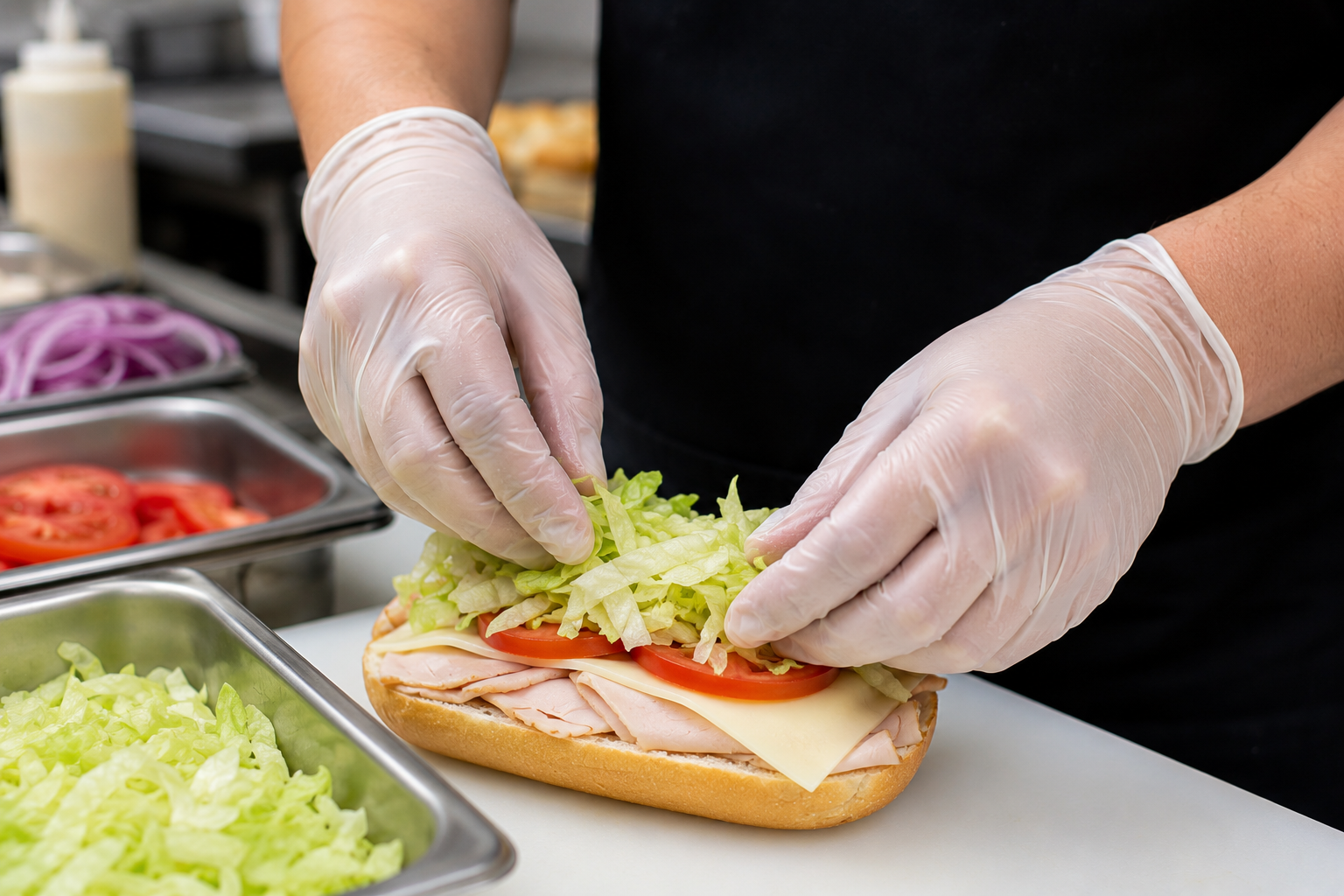
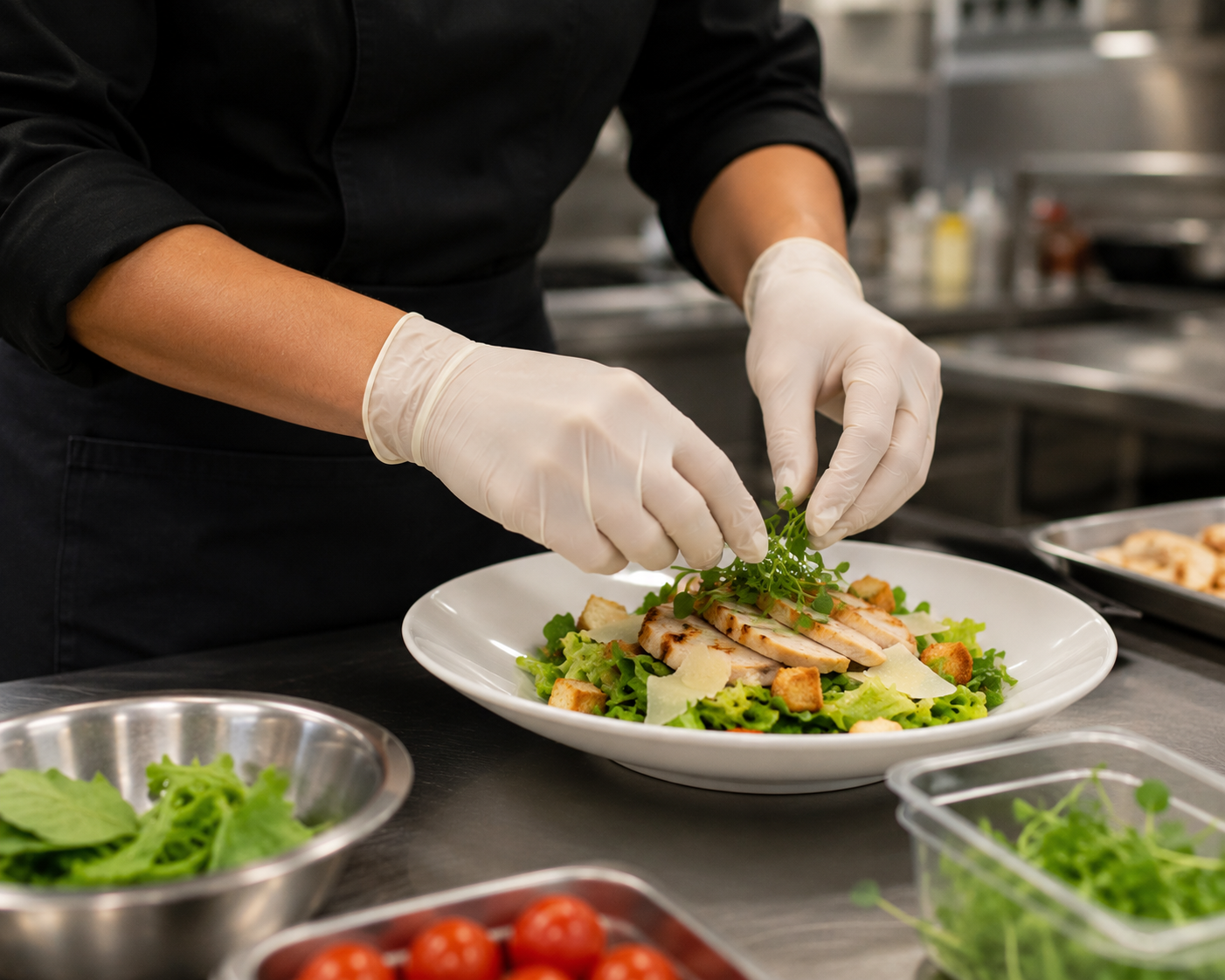
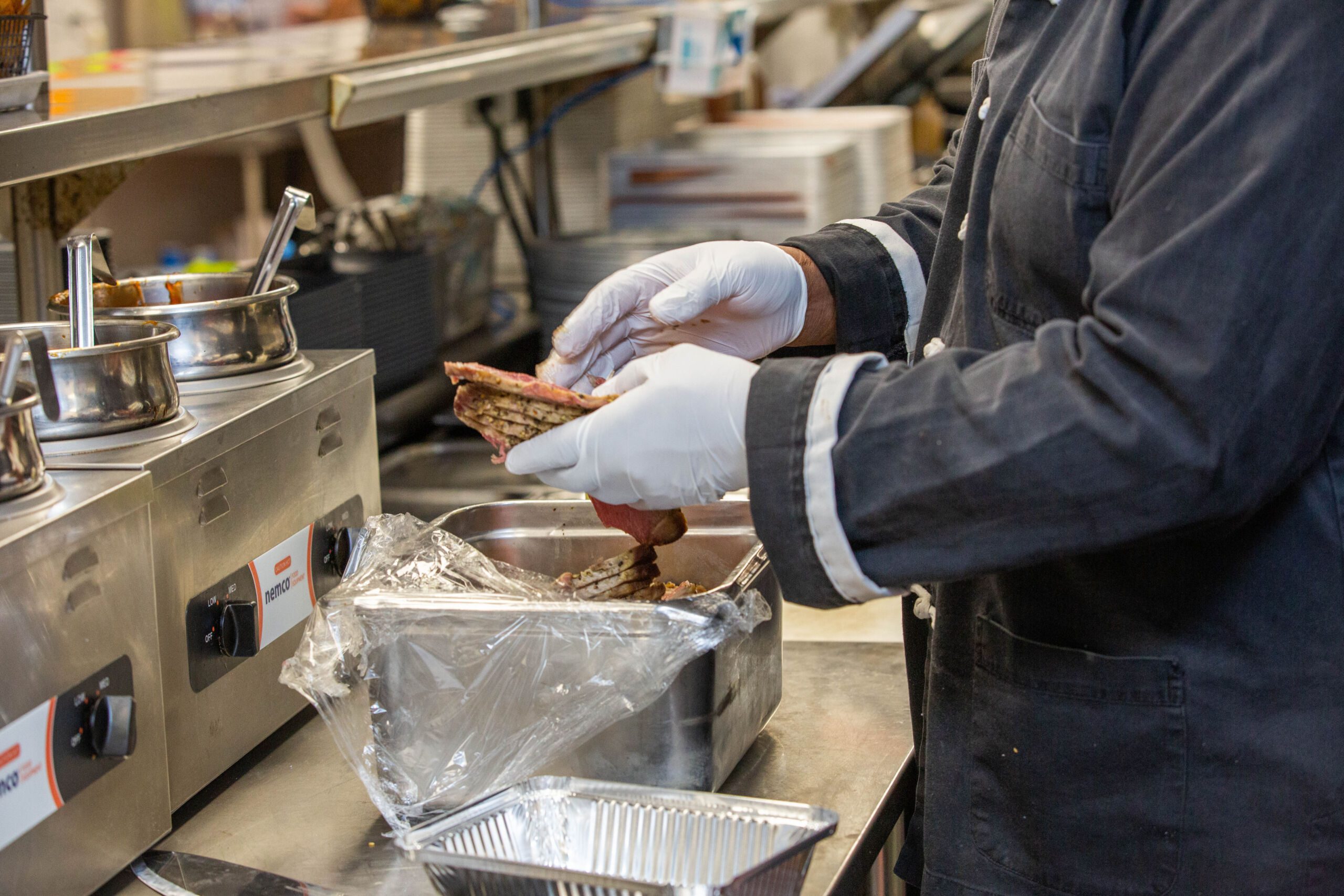
Politicians joke about the endless stretch of rubber chicken dinners they may consume in an election year. For people with a latex allergy, such a prospect may be no laughing matter. While latex serves as an effective barrier glove material and has the best fit because of its elasticity, the risks associated should not be ignored. The solution is not simple and many options are available for operators today. It should always be mentioned that handwashing (before putting on gloves) is always the primary barrier to contamination and gloves are considered a good secondary barrier.
1675 Robb Drive
Reno, NV 89523
Monday – Friday:
8:00 AM – 5:00 PM
1675 Robb Drive
Reno, NV 89523
Monday – Friday:
8:00 AM – 5:00 PM

© Copyright 2026 | FoodHandler Inc. | All Rights Reserved.
Site Design By Print Media Corporation