

Seafood Safety for Lent: Essential Guidelines for Foodservice Operations
As Lent approaches, many foodservice operations prepare for an increase in seafood sales and some operators start offering seafood options, something they may not offer on their traditional menu. Whether you’re a restaurant expanding your fish offerings or a school or hospital kitchen accommodating meatless Fridays, proper seafood handling is critical to protecting your customers. For the most part, the same rules of food safety that we discuss in these blogs and our webinars apply to seafood. But seafood does present some unique food safety challenges that demand attention at every step, from supplier selection to final plating.
Your seafood safety program begins long before the product arrives at your back door. Selecting reputable suppliers is your first and most important line of defense. Some operators only have one option, the broadline distributor they traditionally use. But others, especially those in larger metropolitan areas, have the luxury of seeking out seafood suppliers. Regardless of which supplier you use, you should always look for suppliers who source from processors approved by regulatory authorities and who maintain proper cold chain documentation. Ask potential suppliers about their HACCP plans, inspection records, and traceability systems.
When receiving seafood, verify that products arrive at 41°F or below for fresh fish and remain solidly frozen for frozen items. Check packaging for integrity, ensure there are no off-odors, and confirm that fresh fish has clear eyes, firm flesh, and bright red gills. Reject any shipment that doesn’t meet these standards, regardless of your relationship with the supplier. Make sure to document conditions and temperatures of product at receiving in your receiving logs.
Once seafood passes your receiving inspection, immediate and proper storage is essential. For safety, fresh fish should be stored at temperatures lower than 41°F. To maintain peak quality, the National Oceanic and Atmospheric Administration recommends storing fresh fish on ice so that it remains as close to 32°F as possible. To do this safely in a commercial foodservice means you use perforated pans that allow meltwater to drain. Replace ice daily and never allow fish to sit in standing water. Store seafood on the lower shelves of your cooler to prevent cross-contamination with ready-to-eat foods.
Frozen seafood must remain at 0°F or below until you’re ready to thaw it. To maintain peak quality, it is best not to store seafood near strong-smelling foods, because fish can absorb odors. Use a first-in, first-out rotation system and label all items with receive dates. Fresh fish should be used within one to two days, while properly frozen seafood can be stored for several months depending on the species.
Improper thawing is one of the most common seafood safety mistakes in foodservice. Never thaw seafood at room temperature or in warm water. Both of these practices create ideal conditions for bacterial growth. Instead, use one of three approved methods.
…the increased seafood volume during Lent presents both opportunity and risk for foodservice operations. Success requires diligence at every stage within the flow of food…
The preferred method, and the gold standard, is refrigerator thawing, where frozen seafood defrosts slowly at 41°F or below. This requires planning ahead, as larger items may need 24 hours or more to fully thaw.
For faster thawing, submerge vacuum-sealed seafood in cold running water, ensuring the water temperature stays at 70°F or lower. The water must be kept running during the period in which you are thawing the product. It does not need to be on at full velocity, but according to the food code, it does need to be at a sufficient velocity to agitate and float off loose particles. During this thawing process, monitor the product and ensure that it does not rise above 41°F. Once it does rise above 41°F, your four-hour time starts to get it back to refrigeration temperatures and under 41°F to maintain product safety.
The third option is microwave thawing, but only if you’re cooking the product immediately afterward. I am not entirely sure how much of an option this is with seafood, it is certainly not the thawing or cooking method that I would select, but it is an option that is permissible in the food code.
Histamine poisoning, also called scombroid poisoning, is a particular concern with certain fish species including tuna, herring, and mackerel. Unlike most foodborne illnesses, histamine formation cannot be destroyed by cooking, making prevention critical.
Histamine forms when certain fish are held at improper temperatures, allowing naturally occurring bacteria in many fish species to break down the amino acid histidine into histamine. This process is traced directly to storing seafood at incorrect temperatures. Time and temperature abuse at any point from catch to service can trigger this process. Fish may look, smell, and taste completely normal while containing dangerous histamine levels.
Prevention requires strict temperature control throughout the cold chain. Always maintain fish at 41°F or below. Limit the time seafood spends in the temperature danger zone during prep work. When preparing large quantities as we might in a foodservice operation, work in small batches and return unused portions to proper cold storage as soon as possible.
The increased seafood volume during Lent presents both opportunity and risk for foodservice operations. Success requires diligence at every stage within the flow of food: choosing suppliers with strong safety records, maintaining proper storage temperatures, using approved thawing methods, and understanding species-specific risks like histamine formation. With proper planning and execution, you can safely serve delicious seafood throughout the season while protecting both your customers and your operation. Risk Nothing.
READ MORE POSTS
Food Packaging Safety in a Vacuum
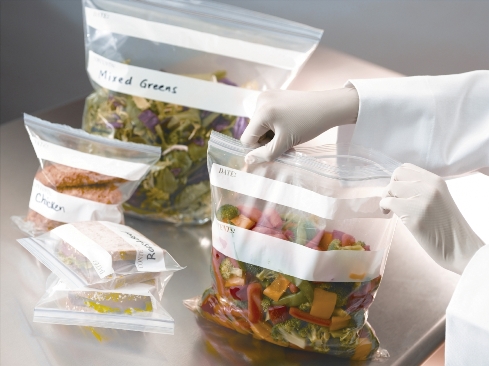
Extending the shelf life of fresh foods has come a long way in the food industry since curing meats with salt and sugar or canning vegetables with heat processing. The food service and consumer markets needed some better visual packages to draw the eye to the freshness factor and the technology of food packaging has filled our dinner plate. Vacuum packaging and modified atmosphere packaging, shortened to “MAP”, are the terms used for the method of food packaging used every time we choose convenience over more complex scratch meal preparation. According to industry statistics, billions of packages of vacuum and MAP-packaged foods flood the marketplace today. In both modified-atmosphere and vacuum packaging, food is packaged in a pouch made of barrier film.
The Eleven Commandments of Food Safety at Your Restaurant
Lists help us remember all kinds of information. Given the list of recent national foodborne outbreaks in the news, keep repeating this list to your food service team. They are kind of like “commandments”. As a professional in a food service facility we should think of the very basic food safety concepts that every crew member should aspire to learn, even though this list may have different priorities based on your menu. The first 3 apply to anyone who serves food, from a bag of popcorn to a full course meal. As chefs or managers, if we can “set the example” by repeating good food safety practices visibly to the crew, it will help them understand how important it is to the success of your facility. Thou shalt:
The Worst Customer Complaint: Foodborne Illness
Food service managers and crew try to follow the rules of food protection. Yet, occasionally a complaint may arise and these calls take priority over all other daily crises. If you have been in the food service industry long enough, you may have gotten one of these. A customer may claim, "I think your food made me ill." These words inflict instant anxiety. If it happens, here are some next steps to think about in advance of such a claim:
How Effective is Your Food Safety Training?
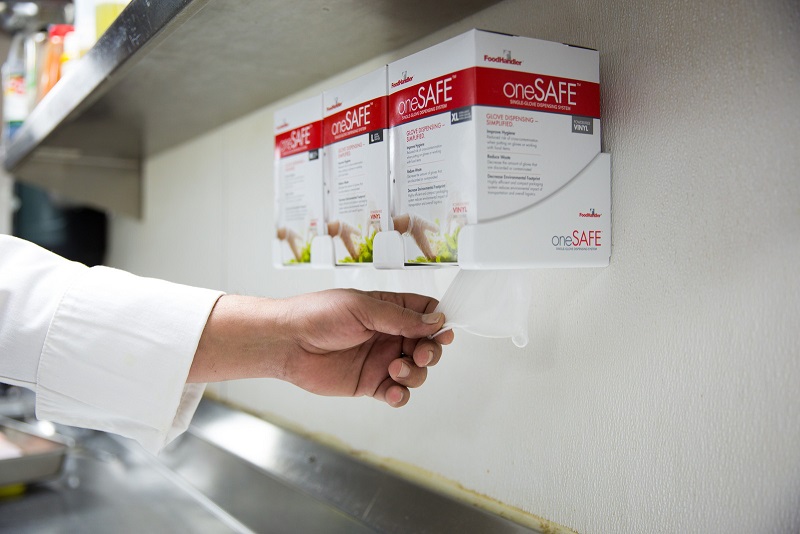
Basic food safety in a restaurant kitchen is not rocket science, but critically important for the crew to take the time to learn about it and for managers to set the example each day. Customers never expect or want to see a manager, chef, or a crew member make a very visible food safety mistake, like not washing hands before food prep and gloving, or touching their face or hair while prepping or handling food. Have we all seen it happen in our restaurant or as a customer elsewhere? Certainly. Are you using some creativity in your current training methods to help your staff “get it” so to speak, and reflect positive behaviors regarding food safety?