
Score Big in Food Safety: Amp Up Your Food Safety Education Month
It is mid-August and in just a few short weeks it will be that time of the year again. The time we wait for all year long – not football season…Food Safety Education Month! Fair enough to say, it will be football season, too – but each September in the United States we celebrate National Food Safety Education Month, a time dedicated to highlighting the importance of food safety practices and education. While the month is dedicated to those across the food chain – from home cooks to those who prepare food in foodservice operations, I like to focus most on our foodservice professionals, who prepare billons of meals each year for the public.
If you’ve kept up with our blog at all, you are likely to already know the statistic that approximately 48 million people in the United States become ill due to contaminated food each year in the United States. During each September, National Food Safety Education Month provides us an opportunity to recommit ourselves to enhancing food safety practices, training staff, and reinforcing the vital role everyone plays in preventing foodborne illnesses within our businesses.
Foodservice professionals play an important role in reducing the estimated number of illnesses caused by foodborne illnesses each year. As managers and leaders in the foodservice industry, we must be committed to education and training as key components in ensuring that all staff members understand the importance of food safety. From line cooks to servers, every team member must be aware of best practices, including personal hygiene, cross-contamination prevention, and proper cooking temperatures. By investing in comprehensive food safety education, businesses can minimize risks and ensure a safe dining experience for their customers.
As we approach September, take time now and recommit yourselves and your businesses to food safety and food safety education. Focus on several key areas to enhance your food safety knowledge and practices:
- Personal Hygiene: Proper handwashing and personal hygiene are fundamental to not only preventing the spread of foodborne illnesses, but to general health and wellness. Staff should be trained in the importance of regular handwashing, wearing clean uniforms, and using gloves appropriately when handling food.
- Temperature Control: Maintaining safe temperatures is crucial for preventing the growth of harmful pathogens. All your staff can likely recite the temperature danger zone in their sleep, but make sure they really appreciate the implications of not ensuring that cold food stays cold and hot food, hot.
- Cross-Contamination Prevention: Emphasize the importance of using separate cutting boards, utensils, and storage containers for raw and cooked foods. Regular cleaning and sanitizing of work surfaces, equipment, and utensils are also important considerations in maintaining a safe kitchen.
… National Food Safety Education Month provides us an opportunity to recommit ourselves to enhancing food safety practices, training staff, and reinforcing the vital role everyone plays in preventing food borne illnesses within our businesses.
To maximize the impact of Food Safety Education Month, plan now to implement a food safety certification program in September to make sure all of your key kitchen staff are certified in food safety. The more staff who are certified and truly recognize the importance of food safety helps you to build that food safety culture that we so often discuss. If you’re unable to do a full food safety training class, plan for some interactive training sessions, workshops, or pre-shift meetings to reinforce key concepts and provide learning opportunities.
Embracing food safety education in your business empowers your management and staff to make informed decisions and contribute to a safer food industry. Food Safety Education Month is an excellent opportunity to renew your commitment to food safety and enhance your employees’ knowledge, skills, and commitment to serving safe food. Risk Nothing.
READ MORE POSTS

Cross Contamination and the Surfaces that go Unnoticed
In October, I ran across a new research study published in the Journal of Food Protection in early-September. The article explored cross contamination in consumer kitchens during meal preparation. One of the authors was a previous SafeBites presenter, Dr. Ellen Shumaker, at North Carolina State University. Although the setting was consumer kitchens and not the commercial kitchen many of you deal with daily, the findings were very applicable to what we often see in the foodservice setting.
Emergency Preparedness: The Not-so Calm After the Storm
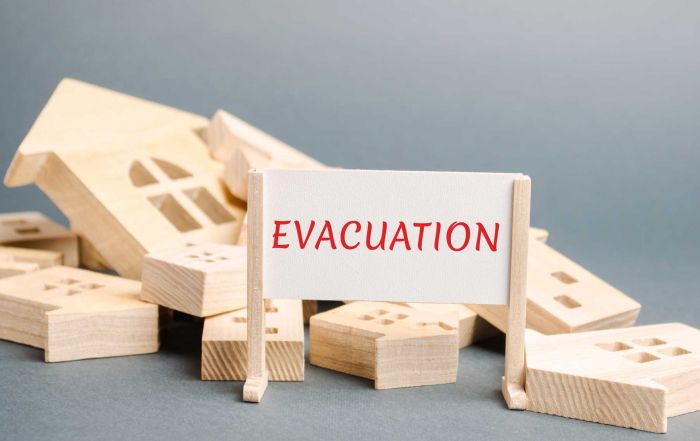
If you and your foodservice operation have been hit by an emergency or other disaster, what comes next and how do you move forward? Much of the answer to this is predicated on the actual disaster that you are dealing with – a flood is certainly a much different than a fire, but some of the food safety considerations remain the same if your business has been left intact and has not been damaged by the disaster.

Emergency Preparedness and Responding to a Disaster with Food Safety in Mind
As I write the first blog this month, the realities of the devastation in Florida are coming to light as we also deal with the aftermath of Hurricane Fiona, which impacted Puerto Rico late in September. Recent news has been focused on the recovery efforts for all who have been impacted. Thus, I thought it would be fitting this month to discuss emergency disaster planning resources in our first blog and delve into recovering from a disaster in our second blog later this month.

During National Food Safety Education Month is it time for Your Food Safety Refresher?
You see them in every restaurant and commercial foodservice operation across the United States. Framed and proudly displayed, often by the kitchen, the cashier, the kitchen entrance, or the service counter - just as they should be. To what am I referring? The food safety certification certificates, of course!