
Preventing Norovirus in your Foodservice Operation
Norovirus is one of the leading causes of vomiting and diarrhea in the United States, causing between 19 and 21 million illnesses each year. These illnesses result in over 100,000 hospitalizations.
Our foodservice colleagues in certain facets of the industry, such as schools, daycares, healthcare, and cruise ships are particularly susceptible to having to deal with norovirus outbreaks. But norovirus could impact all of us, regardless of how many people we serve or how big our teams are. The good news is that norovirus is highly preventable with proper food safety practices.
First, a bit of background on norovirus and why it is so contagious. As you likely guessed, norovirus is a virus that causes gastrointestinal illness, including vomiting, diarrhea, nausea, and stomach pain. It spreads easily through contaminated food, water, surfaces, and even person-to-person contact. Most cases of norovirus are transmitted through the fecal-oral route. Unlike some bacteria, norovirus can survive on surfaces for days and is resistant to many common disinfectants. Norovirus also spreads easily, with some research noting that from the point of impact of a vomit incident, the virus can spread 25 feet beyond that area. These factors make prevention of norovirus extremely difficult, and thus strict hygiene measures must be implemented to control the spread of the virus.
Handwashing is the single most effective way to prevent norovirus. Remember the basics of proper hand hygiene. Wash hands thoroughly with soap and warm water for at least 20 seconds before preparing or serving food, after using the restroom, and after any activity that could contaminate hands. While alcohol-based sanitizers may be helpful to prevent some viruses, they are ineffective for norovirus.
If you’ve been on a cruise ship recently, you may have noticed all the signs leading to the cafeteria that ask you to wash or sanitize your hands before proceeding through the buffet. Practicing good hand hygiene is one of the best things you can do to keep yourself healthy. If you are in a school, enlist the assistance of teachers and other staff in the front of the cafeteria to encourage students to wash their hands before going through the lunch line.
……[norovirus] spreads easily through contaminated food, water, surfaces, and even person-to-person contact, mostly through the fecal-oral route……
Norovirus spreads rapidly through infected individuals. Any staff showing symptoms of vomiting or diarrhea must stay home for at least 48 hours after symptoms resolve. Schools should also have policies to prevent ill students from handling food or sharing utensils, as even a single infected person can trigger an outbreak.
As previously noted, norovirus can survive on surfaces for days, so regular cleaning and sanitizing are essential. Use approved disinfectants effective against norovirus on food contact surfaces, counters, tables, and cafeteria trays. Clean spills of vomit or diarrhea immediately using gloves, disposable towels, and proper disinfectants. Wash and sanitize dishes, utensils, and cookware thoroughly, preferably in a dishwasher that meets proper temperature requirements.
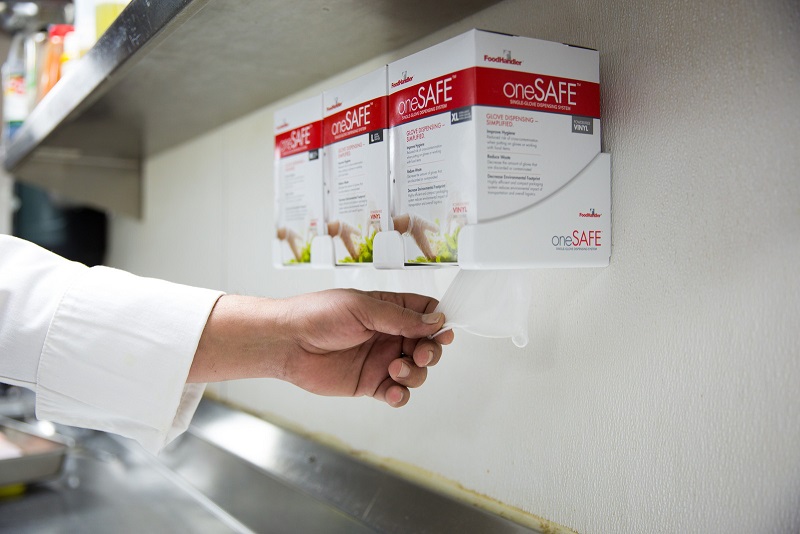
Since norovirus can be transmitted via contaminated food, strict food handling practices are crucial. Avoid bare-hand contact with ready-to-eat foods; use gloves, utensils, or deli tissue.
Preventing norovirus is only possible if staff understand the risks and protocols. Training should cover proper handwashing and glove use, procedures for cleaning and sanitizing surfaces, policies for reporting illness, and the basics of safe food handling, storage, and preparation practices.
Even with the best prevention measures, outbreaks can still occur. Have a clear response plan if a vomiting or exposed diarrhea incident does occur. This should include isolating the contaminated area and ensuring thorough cleaning and sanitizing before resuming operations.
Norovirus outbreaks can have serious consequences, from widespread illness to disruptions in operations. However, with strict hand hygiene, exclusion policies for sick staff, proper cleaning and sanitizing, safe food handling, and staff training, the risk can be drastically reduced. Risk Nothing.
READ MORE POSTS
Food Packaging Safety in a Vacuum
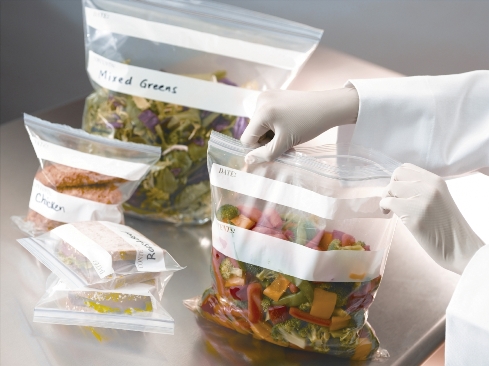
Extending the shelf life of fresh foods has come a long way in the food industry since curing meats with salt and sugar or canning vegetables with heat processing. The food service and consumer markets needed some better visual packages to draw the eye to the freshness factor and the technology of food packaging has filled our dinner plate. Vacuum packaging and modified atmosphere packaging, shortened to “MAP”, are the terms used for the method of food packaging used every time we choose convenience over more complex scratch meal preparation. According to industry statistics, billions of packages of vacuum and MAP-packaged foods flood the marketplace today. In both modified-atmosphere and vacuum packaging, food is packaged in a pouch made of barrier film.
The Eleven Commandments of Food Safety at Your Restaurant
Lists help us remember all kinds of information. Given the list of recent national foodborne outbreaks in the news, keep repeating this list to your food service team. They are kind of like “commandments”. As a professional in a food service facility we should think of the very basic food safety concepts that every crew member should aspire to learn, even though this list may have different priorities based on your menu. The first 3 apply to anyone who serves food, from a bag of popcorn to a full course meal. As chefs or managers, if we can “set the example” by repeating good food safety practices visibly to the crew, it will help them understand how important it is to the success of your facility. Thou shalt:
The Worst Customer Complaint: Foodborne Illness
Food service managers and crew try to follow the rules of food protection. Yet, occasionally a complaint may arise and these calls take priority over all other daily crises. If you have been in the food service industry long enough, you may have gotten one of these. A customer may claim, "I think your food made me ill." These words inflict instant anxiety. If it happens, here are some next steps to think about in advance of such a claim:
How Effective is Your Food Safety Training?
Basic food safety in a restaurant kitchen is not rocket science, but critically important for the crew to take the time to learn about it and for managers to set the example each day. Customers never expect or want to see a manager, chef, or a crew member make a very visible food safety mistake, like not washing hands before food prep and gloving, or touching their face or hair while prepping or handling food. Have we all seen it happen in our restaurant or as a customer elsewhere? Certainly. Are you using some creativity in your current training methods to help your staff “get it” so to speak, and reflect positive behaviors regarding food safety?