
Preventing Norovirus in your Foodservice Operation
Norovirus is one of the leading causes of vomiting and diarrhea in the United States, causing between 19 and 21 million illnesses each year. These illnesses result in over 100,000 hospitalizations.
Our foodservice colleagues in certain facets of the industry, such as schools, daycares, healthcare, and cruise ships are particularly susceptible to having to deal with norovirus outbreaks. But norovirus could impact all of us, regardless of how many people we serve or how big our teams are. The good news is that norovirus is highly preventable with proper food safety practices.
First, a bit of background on norovirus and why it is so contagious. As you likely guessed, norovirus is a virus that causes gastrointestinal illness, including vomiting, diarrhea, nausea, and stomach pain. It spreads easily through contaminated food, water, surfaces, and even person-to-person contact. Most cases of norovirus are transmitted through the fecal-oral route. Unlike some bacteria, norovirus can survive on surfaces for days and is resistant to many common disinfectants. Norovirus also spreads easily, with some research noting that from the point of impact of a vomit incident, the virus can spread 25 feet beyond that area. These factors make prevention of norovirus extremely difficult, and thus strict hygiene measures must be implemented to control the spread of the virus.
Handwashing is the single most effective way to prevent norovirus. Remember the basics of proper hand hygiene. Wash hands thoroughly with soap and warm water for at least 20 seconds before preparing or serving food, after using the restroom, and after any activity that could contaminate hands. While alcohol-based sanitizers may be helpful to prevent some viruses, they are ineffective for norovirus.
If you’ve been on a cruise ship recently, you may have noticed all the signs leading to the cafeteria that ask you to wash or sanitize your hands before proceeding through the buffet. Practicing good hand hygiene is one of the best things you can do to keep yourself healthy. If you are in a school, enlist the assistance of teachers and other staff in the front of the cafeteria to encourage students to wash their hands before going through the lunch line.
……[norovirus] spreads easily through contaminated food, water, surfaces, and even person-to-person contact, mostly through the fecal-oral route……
Norovirus spreads rapidly through infected individuals. Any staff showing symptoms of vomiting or diarrhea must stay home for at least 48 hours after symptoms resolve. Schools should also have policies to prevent ill students from handling food or sharing utensils, as even a single infected person can trigger an outbreak.
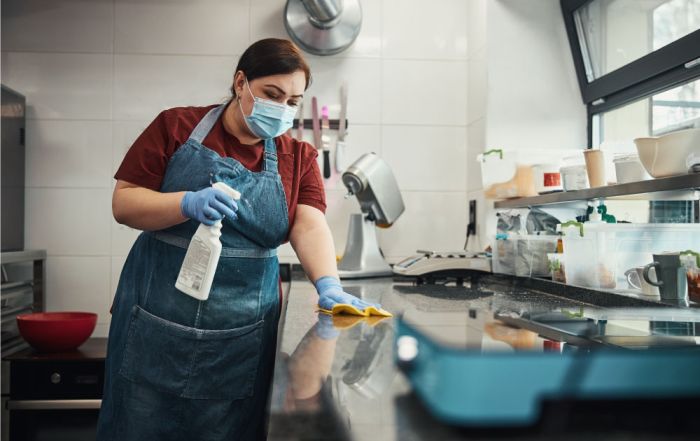
As previously noted, norovirus can survive on surfaces for days, so regular cleaning and sanitizing are essential. Use approved disinfectants effective against norovirus on food contact surfaces, counters, tables, and cafeteria trays. Clean spills of vomit or diarrhea immediately using gloves, disposable towels, and proper disinfectants. Wash and sanitize dishes, utensils, and cookware thoroughly, preferably in a dishwasher that meets proper temperature requirements.
Since norovirus can be transmitted via contaminated food, strict food handling practices are crucial. Avoid bare-hand contact with ready-to-eat foods; use gloves, utensils, or deli tissue.
Preventing norovirus is only possible if staff understand the risks and protocols. Training should cover proper handwashing and glove use, procedures for cleaning and sanitizing surfaces, policies for reporting illness, and the basics of safe food handling, storage, and preparation practices.
Even with the best prevention measures, outbreaks can still occur. Have a clear response plan if a vomiting or exposed diarrhea incident does occur. This should include isolating the contaminated area and ensuring thorough cleaning and sanitizing before resuming operations.
Norovirus outbreaks can have serious consequences, from widespread illness to disruptions in operations. However, with strict hand hygiene, exclusion policies for sick staff, proper cleaning and sanitizing, safe food handling, and staff training, the risk can be drastically reduced. Risk Nothing.
READ MORE POSTS

Emergency Preparedness and Responding to a Disaster with Food Safety in Mind
As I write the first blog this month, the realities of the devastation in Florida are coming to light as we also deal with the aftermath of Hurricane Fiona, which impacted Puerto Rico late in September. Recent news has been focused on the recovery efforts for all who have been impacted. Thus, I thought it would be fitting this month to discuss emergency disaster planning resources in our first blog and delve into recovering from a disaster in our second blog later this month.

During National Food Safety Education Month is it time for Your Food Safety Refresher?
You see them in every restaurant and commercial foodservice operation across the United States. Framed and proudly displayed, often by the kitchen, the cashier, the kitchen entrance, or the service counter - just as they should be. To what am I referring? The food safety certification certificates, of course!
Welcome to National Food Safety Education Month!
In September of each year, we not only have the opportunity to celebrate Labor Day, but we also welcome National Food Safety Education Month! It is this time of the year when it is important to remember that Foodborne illnesses are still a major concern in the United States, although I am guessing many Americans don’t think about the safety of the food they eat as they go throughout their daily lives. The statistics show one in every six Americans will suffer from a foodborne illness each year, for a total of about 48 million cases each year.
Protecting Fresh Produce Post-Harvest, Integral to Safe Food
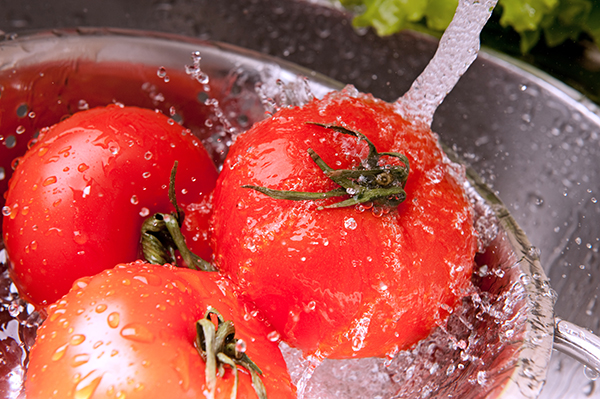
During the height of the summer, at least in the Midwest, farmers markets are in full swing and fresh produce is plentiful. Every backyard gardener is reaping the benefits of their work, with bountiful harvests of tomatoes and cucumbers. Everyone seems to have a neighbor who is trying to pawn off his or her over-production of cucumbers or summer squash during this time of year. When picking up that produce at the farmer’s market or from your neighbor down the street, have you ever given any thought to the microbial safety of it? Honestly, even in my position, it certainly is NOT the first thing that comes to my mind. But, earlier this month, I came across a news story out of Wisconsin discussing a Salmonella outbreak associated with shelled peas sold at a local farmers market. Who would have thought shelled peas would be impacted? The story noted, and it served as a great reminder, that most outbreaks associated with Salmonella in produce are due to mistakes made in handling or transportation of produce after harvesting.