
PanPals®: A Smart Solution for Restaurants Facing Labor Shortages
The restaurant industry continues to face a growing challenge: understaffing. According to recent industry reporting, labor shortages are not only costly for operators but are also expected to persist—and potentially worsen over time.
For restaurant teams already stretched thin, this creates ongoing pressure to maintain efficiency, cleanliness, and food safety standards with fewer hands on deck.
So where can operators make an immediate impact?
The Hidden Cost of Cleanup
One of the most time-consuming tasks in any kitchen is cleaning pans, trays, and containers. When staffing is limited, these responsibilities can slow down service, increase labor costs, and pull employees away from higher-value tasks.
In an environment where every minute counts, reducing cleanup time can make a meaningful difference.
Your Best Pal in the Kitchen
PanPals® are designed to help restaurants simplify cleanup and reduce labor demands.
Made from durable nylon, PanPals® can withstand temperatures from -50º to 400º and are available in a variety of sizes to fit everything from soup kettles to full-size hotel pans.
By incorporating PanPals® into daily operations, kitchens can:
- Reduce cleaning time significantly
- Lower water, electricity, and chemical usage
- Prevent grease and food from clogging drains
- Improve overall efficiency with smaller teams
Working Smarter in a Labor-Challenged Industry
With understaffing continuing to impact the industry, solutions that streamline operations are more valuable than ever.
PanPals® allow staff to spend less time scrubbing and more time focusing on food preparation and customer experience—helping restaurants maintain standards even with limited labor.
See the Impact for Yourself
Want to know how much your operation could save in time and cost?
Explore PanPals® and use the savings calculator:
https://foodhandler.com/panpals-no-mess-easy-cleanup-high-heat-pan-liners-and-bags/
References: https://www.restaurantbusinessonline.com/workforce/understaffing-restaurants-costly-likely-get-worse
READ MORE POSTS
Does Temperature Really Matter when Washing your Hands?
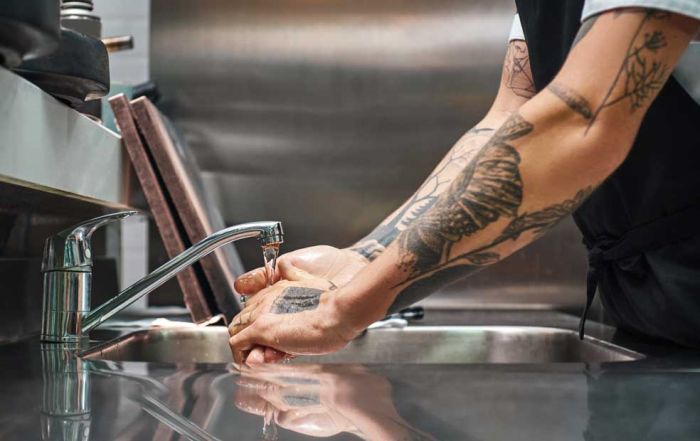
In January, I reviewed the changes to the 2022 Food Code in my blog (check out Part I and Part II), and one change to the food code that I had mentioned, but didn’t discuss in-depth, was the change that lowered the water temperature a hand sink was required to produce to 85°F, as noted in Section 2-202.12 of the code. This requirement has been in place since the publishing of the 2001 Food Code, which required a water temperature of 100°F. Prior to this, 110°F was required (see the 1999 Food Code). So why the change and does water temperature when washing your hands really matter?
Hand sinks: Often Taken for Granted, but an Essential Part to Effective Hand Hygiene
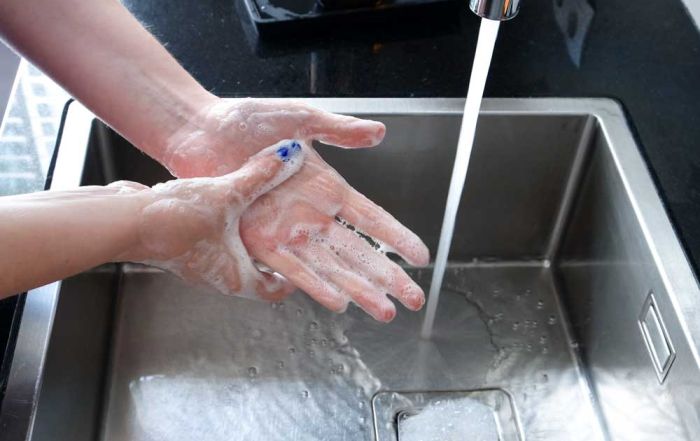
Late in January, I received a question about hand sinks in a foodservice operation. The question pertained to school staff (teachers and aides) who were using a hand washing sink in the school kitchen. The question came as a matter of who was allowed access to the kitchen to use the sink, but the question itself caused me to go down a rabbit hole of requirements for hand washing sinks in foodservice operations.

Hot off the Press: The 2022 Model Food Code has been Released! Part Two.
Earlier in the month, we started a discussion about the changes to the 2022 Food Code. If you missed that post, late in December 2022, the Food and Drug Administration released the 2022 Food Code and I wanted to highlight a few of the changes that have been made to the code.
Hot off the Press: The 2022 Model Food Code has been Released! Part One.
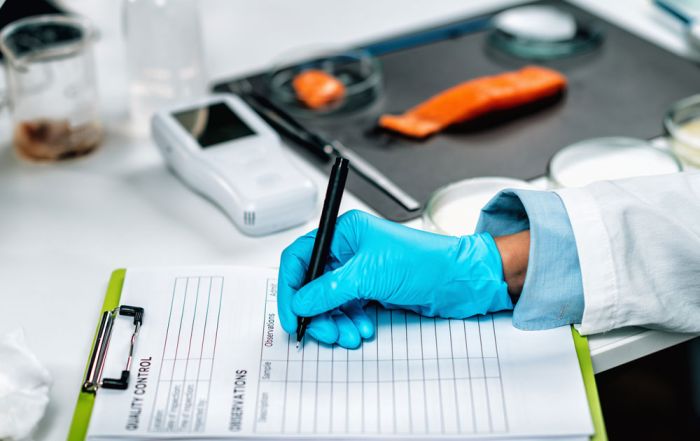
It has finally arrived! Yes, the new year has arrived – but I was not referring to it. I was referring to the new 2022 Model Food Code (10th edition) that has been released by the Food and Drug Administration. I thought I might take this blog and the next blog to discuss some of the changes that have been made to the Food Code that you might see coming your way in the next few years.