
Maintaining Food Safety Standards Amid Seasonal Turnover
Across the country, summer seems to bring on more than just an influx of business in foodservice operations. It also tends to bring an influx and an exodus of employees. As seasoned employees head out for vacations or move on, new hires and seasonal staff fill in, often with minimal experience. This constant churn can create gaps in food safety practices at exactly the time when warm weather increases the risk of foodborne illness. Being ready for the staffing challenges of summer all comes down to proactive planning, smart training, and reinforcing that food safety culture we often talk about.
When new employees are coming in quickly, your food safety training process needs to be efficient, consistent, and easy to deliver. Create a structured onboarding checklist that includes short, clear training on critical food safety topics: temperature control, cross-contamination, handwashing, and cleaning procedures. Make sure you have solid, job-specific SOPs (Standard Operating Procedures) for food handling that you can share with new hires. Then, once they are hired and trained, make sure you follow up to confirm they understand your policies and procedures by using a brief on-the-job quiz or hands-on demonstration.
Use visual aids, such as posters or infographics, in prep areas to reinforce key practices. Better yet, build a short training video or find your favorite video online to use and show it to new hires on their first day. If you’re not an instructor for one of the several food safety training programs available on the market, consider becoming one – they have videos and other resources that you can build into your training program. Remember that with any training, repetition is key. This is especially true for new hires who are consuming a lot of information in the first few weeks on the job. Don’t assume a one-time message will stick.
The more complicated your systems, the easier it is for something to slip. Look for ways to streamline your processes, such as using color-coded cutting boards and utensils to prevent cross-contamination. I can’t tell you the number of foodservice operations where I have seen these boards in use, but the color doesn’t really mean anything. In other words, they had good intentions by purchasing the color-coded cutting board system but didn’t really implement the use of the colors within their system, and thus, anything goes! Place thermometers and sanitizing logs in visible, easy-to-access locations. Don’t create artificial barriers that will prevent new hires and seasoned employees from doing the food safety tasks you expect. After all, when tools and expectations are clear and accessible, it’s much easier for new staff to succeed.
…By reinforcing that everyone plays a role, you make food safety a shared value, not just a task to be completed.
In a fast-paced kitchen, waiting until a six-month or yearly performance evaluation to address a food safety mistake is too late. Instead, designate a shift supervisor or manager to spot-check food safety practices throughout the day—handwashing, holding temps, sanitizer buckets, etc. Correct gently and immediately. Use mistakes as teaching moments, not just compliance failures.
Pair new hires with experienced team members who can model and reinforce good practices. These mentors can help answer questions, catch mistakes early, and build confidence in new employees.
If you have been working on creating that food safety culture where food safety is part of every shift, not just a training module, training for food safety becomes a bit less problematic. Some ways you can start doing this or continue to reinforce this are by beginning each shift with a quick safety huddle, a two-minute reminder of one key food safety point. Always encourage staff to speak up when they see something unsafe; all team members play a role, not just managers and supervisors. And be sure to include food safety behaviors in performance feedback, even for seasonal staff. By reinforcing that everyone plays a role, you make food safety a shared value, not just a task to be completed.
The reality of summer staffing challenges doesn’t have to mean lower food safety standards. With a proactive process, clear communication, and a strong culture, your team—new and “old” can keep serving safe food all year long. Risk Nothing.
READ MORE POSTS
Top Food Safety Websites
You ask…How do I learn about food safety regulation? What pathogens in foods can make me sick? What temperature should I safely cook my roast beef to and how do I take food temperatures? How do I clean and sanitize anything according to the FDA Food Code? What and where is the most recent version of the FDA Food Code? Where can I find food safety educational materials galore in book form or online? Do I need them in Spanish or a Chinese dialect?
A Little Poultry Safety Information
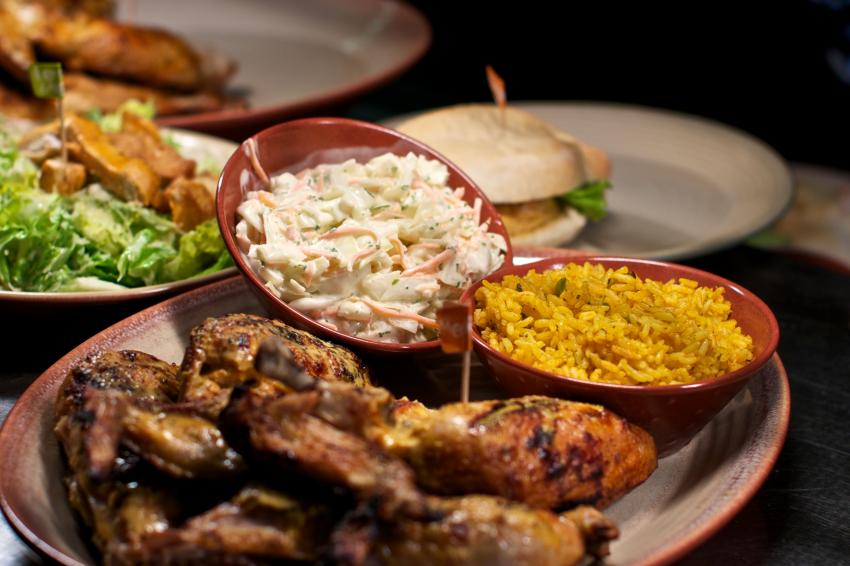
Chicken is the number one species of protein consumed by Americans – we eat about 80 pounds of it per year. Outbreaks of foodborne illness have long been associated with poultry and eggs usually by undercooking it or cross-contamination of other foods by raw poultry. Recent concerns about avian or bird flu put the direct focus on our fowl food with concerns about whether this awful disease can transfer from birds to humans.
The Basic Principles of Food Safety
Every food establishment uses, processes, and sells food in different ways. However, the general issues and key principles of food safety remain the same, whatever the style of the operation. All food safety training programs should contain the “big 3” factors that could cause food to become unsafe. Food must be kept out of harms way from human errors, but if you don’t train food workers what they are, they won’t know why these factors are so important to your operation. The basics can make us or break us in one or maybe two food handling mistakes.

Be Aware When You Prepare – Food Prep Tips
The subject of food preparation covers some very broad, basic principles within food safety, with many steps associated with “risk” in some recipes. Certainly, preparation steps are where the most mistakes have occurred if a foodborne illness should occur. Outbreaks usually happen when more than one mistake occurs during prep, but sometimes it only takes one. Cooking is the biggest risk for raw foods, but all foods become ready-to-eat foods at some point in final preparation steps and that’s where the most care is required.