
HACCP Doesn’t Have to Be All or Nothing: Even Incremental Changes Can Have a Big Impact on your Food Safety Program
Most foodservice operators hear Hazard Analysis and Critical Control Point, otherwise known as “HACCP,” and picture binders full of flowcharts, scientific analyses, and regulatory paperwork. And while a full, formal plan can start to look exactly like that, the truth is that you don’t have to implement the entire system to benefit from HACCP principles. Even adopting pieces of the framework will reduce your risk of a foodborne illness outbreak.
Our colleagues who manage school foodservice operations are already well-versed in HACCP systems. School foodservice authorities participating in the National School Lunch or National School Breakfast program had to implement HACCP systems over 20 years ago. For those who don’t quite recall the fundamentals of HACCP, it is a systematic, science-based approach to identifying where biological, chemical, and physical hazards can impact your foodservice operation. Then, putting controls in place to prevent, eliminate, or reduce those hazards to safe levels. It was originally developed for NASA’s space food program and has since become the global gold standard for food safety.
The system is built around seven core principles: conducting a hazard analysis, identifying critical control points (CCPs), establishing critical limits, setting up monitoring procedures, defining corrective actions, implementing verification, and maintaining documentation.
…Perfect is the enemy of good in food safety…
If you’re running a restaurant, a catering company, a senior living dining program, or any other foodservice operation without a formal HACCP plan, you can still harness the power of this system right now. Here are a few ideas to get started:
Perfect is the enemy of good in food safety. A foodservice operation that monitors temperatures religiously, trains staff on handwashing and cross-contamination, and documents corrective actions is dramatically safer than one waiting to implement a “perfect” HACCP plan someday. Start with your highest-risk foods, build simple monitoring habits, and document what you do. Risk Nothing.
READ MORE POSTS
Food Service Hand Hygiene: Basic Handwashing – Part II
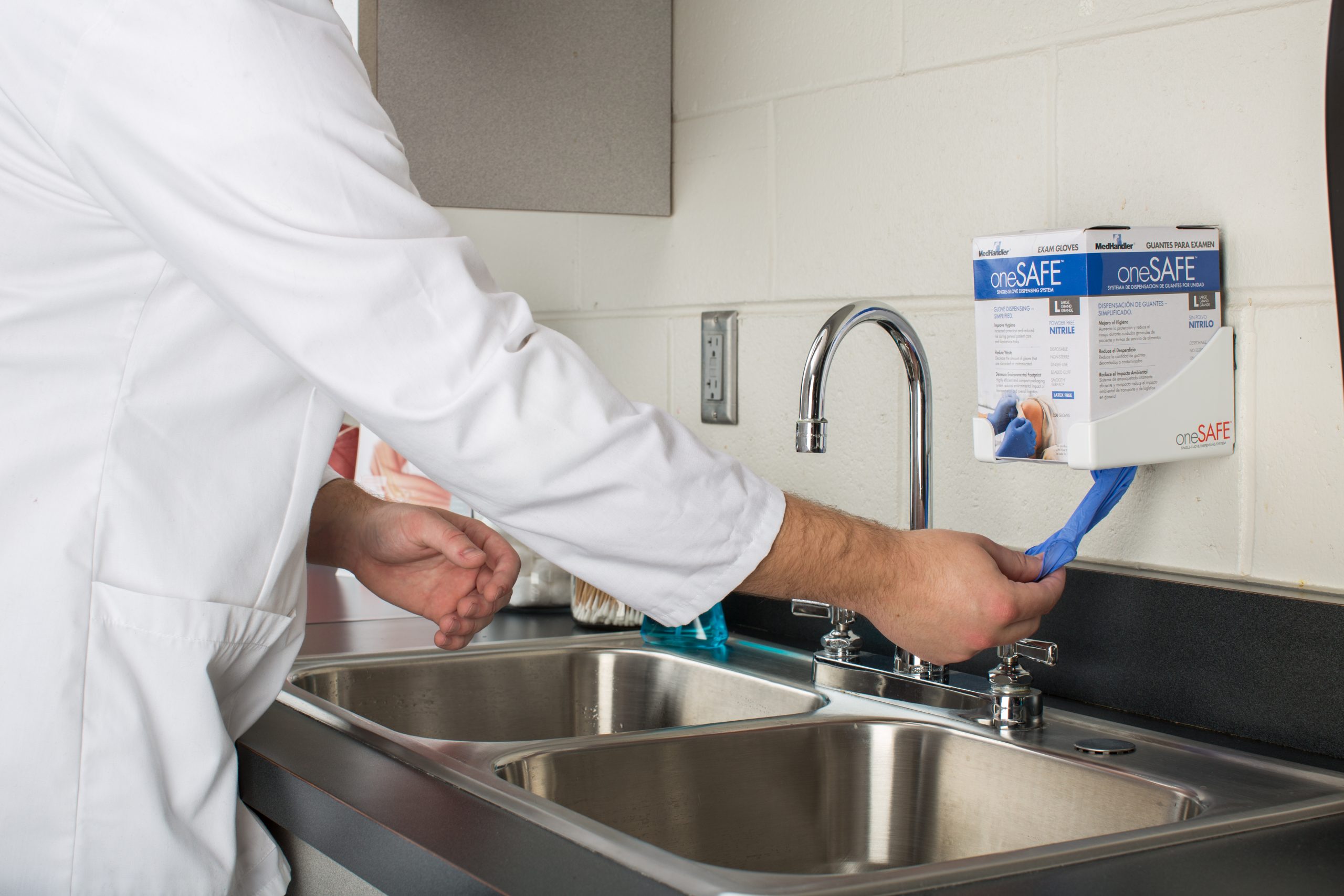
Ignoring handwashing as a priority is easy until faced with a crippling lawsuit. Your risk of transmitting a foodborne disease via a food workers hands will never be zero, but the good news is training your crew about handwashing is not complicated. Molding behavior to do it at the right time, using the correct method is the tough part. The Centers for Disease Control & Prevention says the single most effective way to stop the spread of infection is through handwashing. Last month’s article was on the physical equipment to help get better handwashing compliance. The most important part is the practice of the basic handwashing steps:
The Physical Elements of Food Service Hand Hygiene – Part I
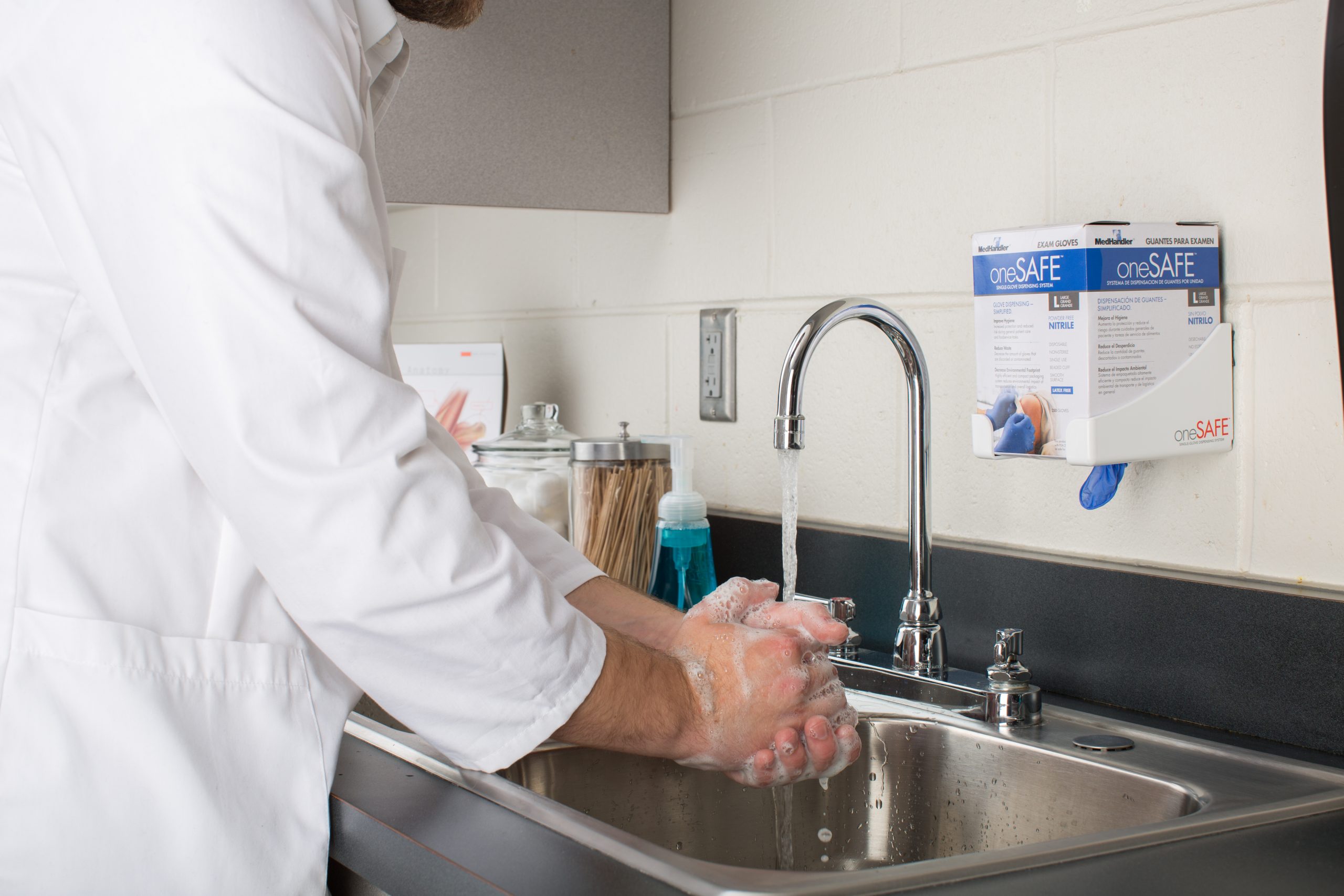
September is National Food Safety Education Month and the theme has a rhyme to it – “Keep Hands Clean with Good Hygiene”. Hand washing is one of the public’s best defenses against the spread of both common and rare, even life-threatening, diseases including those caused by food, and against gastrointestinal infections caused by such organisms as the Norovirus, which plagues the cruise ship industry and food service in general.

The Incredible, Edible Egg Safety Quiz
This nutritious, delicate food is a part of many food service menus as a main course and one of the most common ingredients. The U.S. Dept. of Agriculture says Americans consume an average of 234 eggs per person per year. Eggs have also been the source of some significant foodborne outbreaks in the U.S. from one specific type of Salmonella. While eggs are an important source of protein in the diet, an estimated 1 in 20,000 eggs in the U.S. supply will contain the SE (Salmonella Enteritidis) bacteria and can cause illness if eaten raw in foods or not thoroughly cooked before consumption.

Fetching a Pail of Good, Safe Water
In the ambitious fight for food safety, don’t overlook the safety and quality of the crystal clear liquid coming out of your faucet. The United States has controls in place to ensure we have potable (safe) water that is treated and filtered to make it taste better and have no odor. Water standards and treatment are also important in food service so we don’t need a repairman twice a year to chip away the block of lime on the dishwashers heating element with a hammer and chisel in order to replace it.