

HACCP Doesn’t Have to Be All or Nothing: Even Incremental Changes Can Have a Big Impact on your Food Safety Program
Most foodservice operators hear Hazard Analysis and Critical Control Point, otherwise known as “HACCP,” and picture binders full of flowcharts, scientific analyses, and regulatory paperwork. And while a full, formal plan can start to look exactly like that, the truth is that you don’t have to implement the entire system to benefit from HACCP principles. Even adopting pieces of the framework will reduce your risk of a foodborne illness outbreak.
Our colleagues who manage school foodservice operations are already well-versed in HACCP systems. School foodservice authorities participating in the National School Lunch or National School Breakfast program had to implement HACCP systems over 20 years ago. For those who don’t quite recall the fundamentals of HACCP, it is a systematic, science-based approach to identifying where biological, chemical, and physical hazards can impact your foodservice operation. Then, putting controls in place to prevent, eliminate, or reduce those hazards to safe levels. It was originally developed for NASA’s space food program and has since become the global gold standard for food safety.
The system is built around seven core principles: conducting a hazard analysis, identifying critical control points (CCPs), establishing critical limits, setting up monitoring procedures, defining corrective actions, implementing verification, and maintaining documentation.
…Perfect is the enemy of good in food safety…
If you’re running a restaurant, a catering company, a senior living dining program, or any other foodservice operation without a formal HACCP plan, you can still harness the power of this system right now. Here are a few ideas to get started:
Perfect is the enemy of good in food safety. A foodservice operation that monitors temperatures religiously, trains staff on handwashing and cross-contamination, and documents corrective actions is dramatically safer than one waiting to implement a “perfect” HACCP plan someday. Start with your highest-risk foods, build simple monitoring habits, and document what you do. Risk Nothing.
READ MORE POSTS

Don’t Turn a Blind Eye to Your Food Defense Practices
Late last week, as I mindlessly scrolled through Twitter, I ran across a Tweet suggesting the #IceCreamChallenge from summer 2019 was the real cause of the Coronavirus spread. Of course, the Tweet was made tongue in cheek, but it did cause me to reflect on that challenge, which had a short life on social media in the summer of 2019.
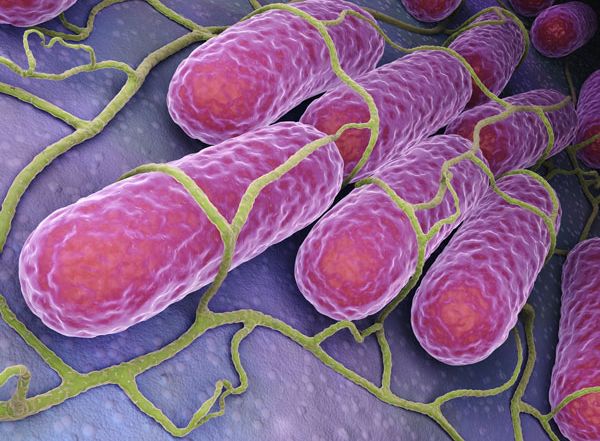
Salmonella and Listeria monocytogenes: Serious Threats to the Safety of Food
Earlier in the month, I mentioned the top microbial enemies we all face in foodservice operations, E. coli, Campylobacter, Salmonella, and Listeria monocytogenes. While we discussed E. coli and Campylobacter, we did not get around to discussing Salmonella or Listeria monocytogenes.
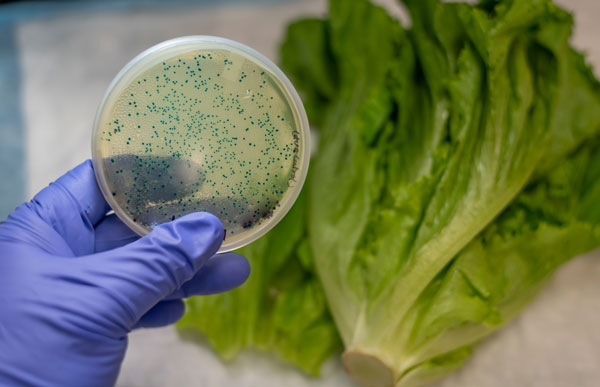
E. coli, Campylobacter, Salmonella, and Listeria monocytogenes…oh my!
Last month, I blogged a bit about the human factor in food safety. In the foodservice management realm, I do think the human factor is our biggest challenge, day in, day out. While the human factor is a major contributor to most foodborne illness outbreaks, we can’t forget about the microbial enemy we face on a daily basis.

The Human Factor and Food Safety
A few weeks ago, we discussed the top five causes of foodborne illness, 1) Improper hot/cold holding temperatures of time and temperature control for safety foods; 2) Improper cooking temperatures of food; 3) Dirty and/or contaminated utensils and equipment; 4) Poor employee health and hygiene; and 5) Food from unsafe sources. As I noted, all of these items are not in the direct control of your staff, but most can be. For the second blog this month, I wanted to discuss a bit more about the human factor in our food safety programs.