

HACCP Doesn’t Have to Be All or Nothing: Even Incremental Changes Can Have a Big Impact on your Food Safety Program
Most foodservice operators hear Hazard Analysis and Critical Control Point, otherwise known as “HACCP,” and picture binders full of flowcharts, scientific analyses, and regulatory paperwork. And while a full, formal plan can start to look exactly like that, the truth is that you don’t have to implement the entire system to benefit from HACCP principles. Even adopting pieces of the framework will reduce your risk of a foodborne illness outbreak.
Our colleagues who manage school foodservice operations are already well-versed in HACCP systems. School foodservice authorities participating in the National School Lunch or National School Breakfast program had to implement HACCP systems over 20 years ago. For those who don’t quite recall the fundamentals of HACCP, it is a systematic, science-based approach to identifying where biological, chemical, and physical hazards can impact your foodservice operation. Then, putting controls in place to prevent, eliminate, or reduce those hazards to safe levels. It was originally developed for NASA’s space food program and has since become the global gold standard for food safety.
The system is built around seven core principles: conducting a hazard analysis, identifying critical control points (CCPs), establishing critical limits, setting up monitoring procedures, defining corrective actions, implementing verification, and maintaining documentation.
…Perfect is the enemy of good in food safety…
If you’re running a restaurant, a catering company, a senior living dining program, or any other foodservice operation without a formal HACCP plan, you can still harness the power of this system right now. Here are a few ideas to get started:
Perfect is the enemy of good in food safety. A foodservice operation that monitors temperatures religiously, trains staff on handwashing and cross-contamination, and documents corrective actions is dramatically safer than one waiting to implement a “perfect” HACCP plan someday. Start with your highest-risk foods, build simple monitoring habits, and document what you do. Risk Nothing.
READ MORE POSTS
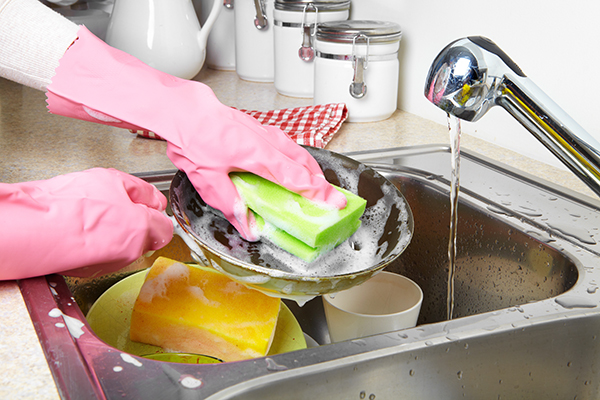
Properly Cleaning and Sanitizing: The Right Chemical Mix to Maintain Ultimate Effectiveness
A few weeks ago, my family and I had the pleasure of setting sail on a cruise vacation. It is truly one of the only ways that I find that I am able to unplug from work and relax for a small spell. However, as I walked around the ship in our post-COVID world, I couldn’t help but admire all the extra cleaning steps the staff were undertaking to keep us all as safe as possible while in the middle of the ocean with 3,000 other vacationers. All of this cleaning and sanitizing had me thinking about how we each clean and sanitize our own operations and which chemicals we chose to use.
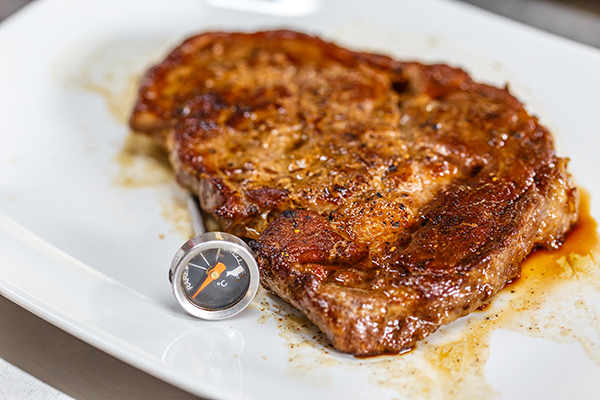
Proper Cooking Temperature: A Basic Food Safety Measure
Each summer, we see an increase in the incidence of foodborne illnesses. Perhaps this is because of the warmer temperatures making temperature control for Time/Temperature Control for Safety (TCS) food more difficult or perhaps it is the increased amount of people who are barbequing this time of year – it is National Picnic Month, after all!
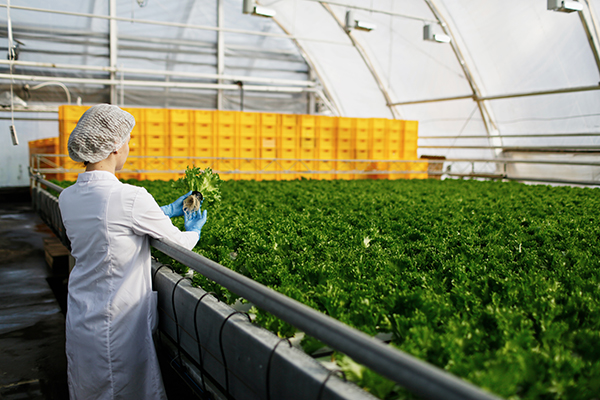
Changing Climate: The Unseen Impact on Food Safety
In June, I was asked to participate in the Allinfoodz podcast, put on by a colleague, Dr. Amit Sharma, at Penn State University. One of the points Dr. Sharma wanted to discuss was the impact of climate change on food safety, which is something I was certainly aware of, but not something I had done much research on. However, when preparing for the interview and podcast, it was interesting to learn more about the relationship between the two.
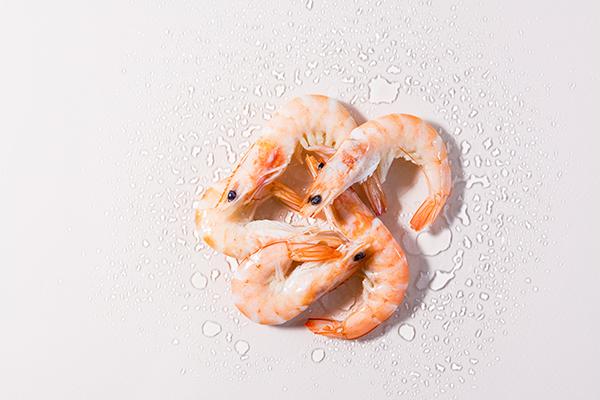
Thawing Food with Food Safety in Mind
There comes a time in almost every foodservice operation where you must thaw food. Yes, I know there are those operations who have moved to fresh products only and don’t have a freezer in-house, but I am willing to bet that is more the exception than the norm. I am almost sure that anyone reading this blog who works in a foodservice operation can regurgitate what methods are acceptable to thaw food per the FDA Model Food Code. In case you don’t recall, I will discuss them briefly, but I wanted to spend some time covering these requirements a bit more in-depth – so you not only know WHAT to do, but the WHY we do it that way.