

Foodborne Pathogens Every Foodservice Employee Should Know by Name
Ask most foodservice employees what they’re trying to prevent when they wash their hands or when they cook chicken to 165°F, or ground beef to 155°F, and you will likely get a vague answer about germs or getting people sick. While that is not incorrect, it just isn’t enough. Of course, every employee’s knowledge of food safety must start somewhere. But understanding which pathogens you’re fighting, how they spread, and what makes them dangerous gives your team a completely different level of ownership over food safety. It turns rule-followers into those who can really solve problems and make sound decisions based on science, rather than old wives’ tales or what grandma may have told them 10 years ago.
The FDA and most food safety regulators have identified six pathogens that warrant special attention in foodservice settings. These aren’t just the most common causes of foodborne illness; they are the ones that are most likely to spread person-to-person or through contaminated food in an operation such as yours. They’re serious enough that most food codes require employees diagnosed with or exposed to these illnesses be restricted or excluded from food-handling duties entirely. And if the topic of restriction or exclusion is unfamiliar to you, be sure to check out our previous blog post on this topic!
…knowledge turns the rule-followers into those who can really solve problems and make decisions based on science, rather than old wives’ tales…
Norovirus
Norovirus is the leading cause of foodborne illness outbreaks in the United States and is highlycontagious. It takes fewer than 20 viral particles to make a person sick. It spreads easily through contaminated hands, surfaces, and ready-to-eat foods. If you have ever been on a cruise or followed illnesses on cruise ships, you have likely heard of norovirus.
Vomiting and diarrhea are the hallmark symptoms, and infected individuals can shed the virus even before they feel sick. This is why an employee who vomits must be immediately excluded from the operation. There is no cooking temperature that eliminates norovirus once it contaminates ready-to-eat food. Your only defense is keeping infected people out and maintaining rigorous handwashing practices.
Hepatitis A
Unlike the other pathogens on this list, Hepatitis A is a virus that attacks the liver. Symptoms include jaundice, fatigue, and nausea. The illnesses can take 15 to 50 days to appear after exposure, which means an infected employee can unknowingly contaminate food for weeks. It spreads through the fecal-oral route, primarily via unwashed hands. Shellfish harvested from contaminated water are a well-known vehicle. Any employee diagnosed with Hepatitis A must be excluded from work. While it is not mandated, vaccination is available and is recommended for food handlers.
Salmonella
This may be among the most familiar names on the list. Nontyphoidal Salmonella is responsible for more hospitalizations from foodborne illness than most any other pathogen. Poultry, eggs, raw produce, and nut butters are common sources. Symptoms include diarrhea, fever, and abdominal cramps beginning six to 72 hours after exposure. Proper cooking temperatures and preventing cross-contamination, especially between raw poultry products and ready-to-eat foods, are critical in controlling it.
While nontyphoidal Salmonella is common in foodservice, Salmonella Typhi, the strain that causes typhoid fever, is treated separately because of its severity and because some people carry it without ever showing symptoms. It is transmitted through the fecal-oral route, often through contaminated water and food. Any employee diagnosed with typhoid fever must be excluded from the operation until cleared by a medical professional.
Shigella
Shigella causes shigellosis, an intestinal infection characterized by bloody diarrhea, fever, and stomach cramps. Like Norovirus, it requires a very small infectious dose, making it spread easily even with minimal contamination. It is found in the feces of infected people and spreads through poor handwashing, contaminated water, and ready-to-eat foods handled by infected employees. Children, the elderly, and immunocompromised individuals are at the highest risk for severe illness. Excluding ill employees and enforcing strict handwashing are your primary defenses.
Shiga Toxin-Producing E. coli (STEC)
You likely know this one as E. coli O157:H7, though there are other dangerous STEC strains. What makes this pathogen particularly frightening is its potential to cause hemolytic uremic syndrome (HUS), a form of kidney failure that can be fatal, especially in young children. Ground beef is the most associated food, but leafy greens, raw sprouts, and unpasteurized juice have all been vehicles in major outbreaks. Cooking to proper temperatures destroys STEC, but cross-contamination from raw meat to ready-to-eat foods is a serious and persistent risk in any kitchen.
Knowing these pathogens by name and understanding how they spread changes how your employees think about every task, from receiving a delivery to washing their hands after a bathroom break. Post this list in your break room. Include it in your onboarding training. Revisit it at your next pre-shift meeting. The employees who understand why the rules exist are the ones who follow them even when no one is watching. That knowledge is what helps build the culture of food safety in your operation. Risk Nothing.
READ MORE POSTS
Food Service Hand Hygiene: Basic Handwashing – Part II
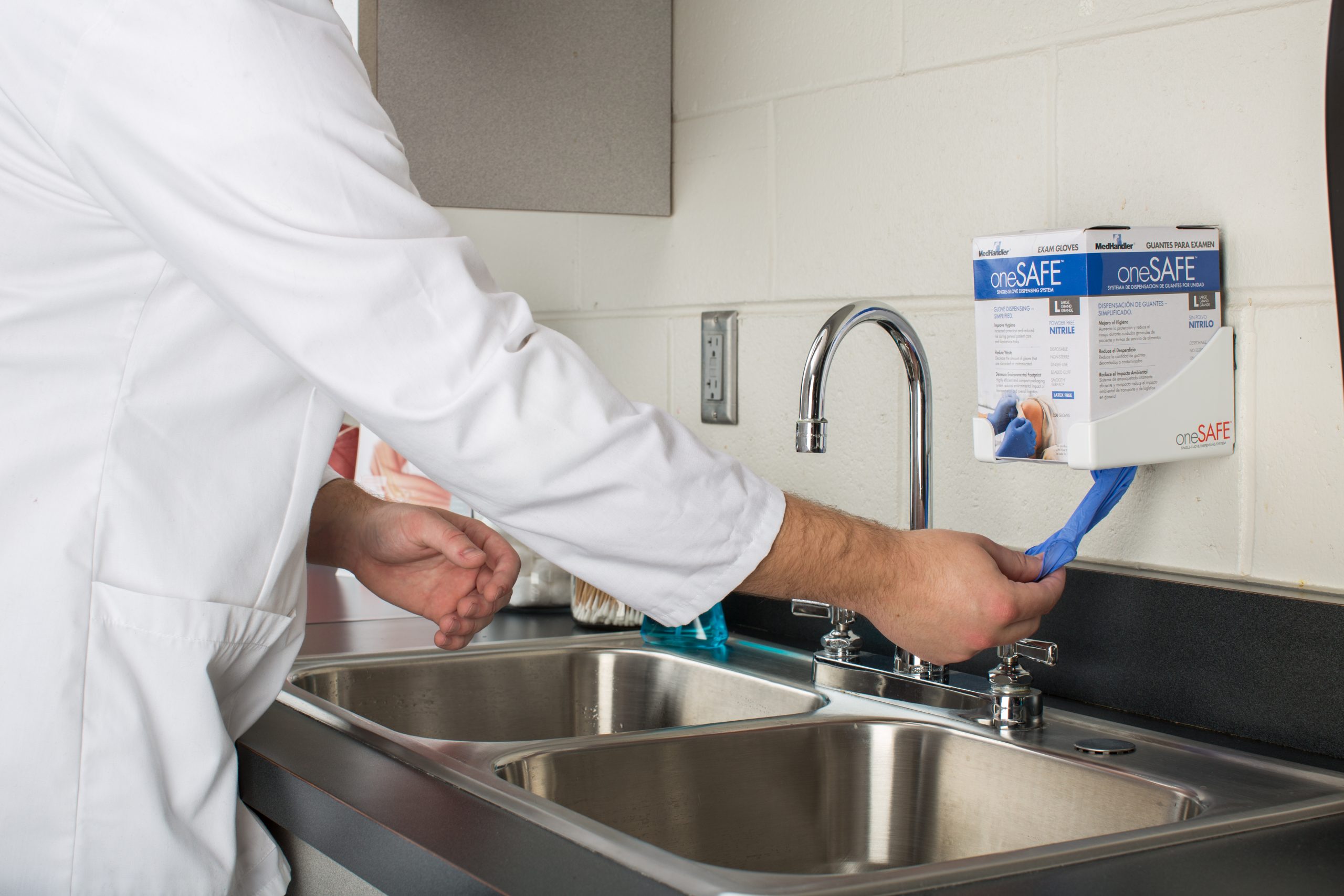
Ignoring handwashing as a priority is easy until faced with a crippling lawsuit. Your risk of transmitting a foodborne disease via a food workers hands will never be zero, but the good news is training your crew about handwashing is not complicated. Molding behavior to do it at the right time, using the correct method is the tough part. The Centers for Disease Control & Prevention says the single most effective way to stop the spread of infection is through handwashing. Last month’s article was on the physical equipment to help get better handwashing compliance. The most important part is the practice of the basic handwashing steps:
The Physical Elements of Food Service Hand Hygiene – Part I
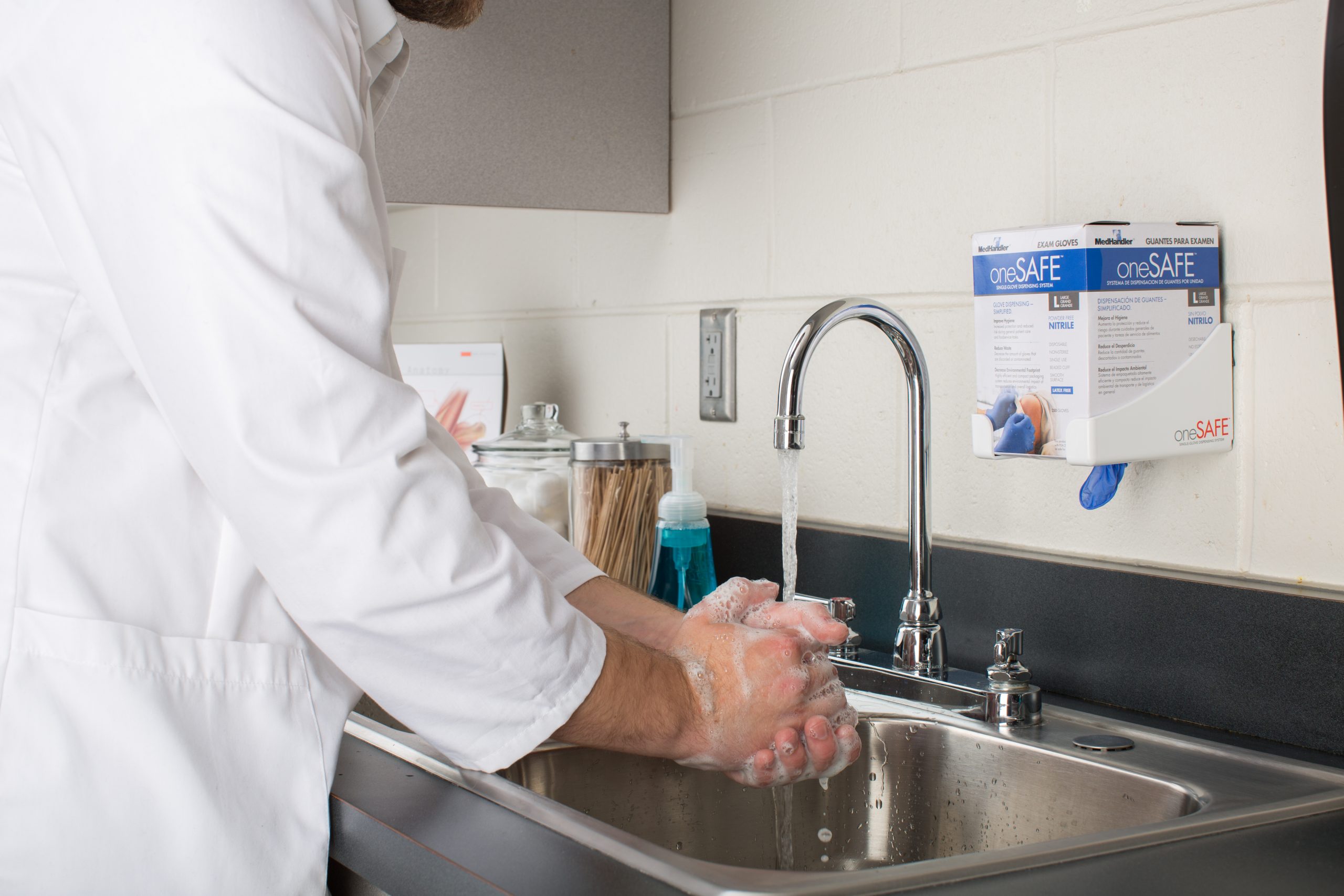
September is National Food Safety Education Month and the theme has a rhyme to it – “Keep Hands Clean with Good Hygiene”. Hand washing is one of the public’s best defenses against the spread of both common and rare, even life-threatening, diseases including those caused by food, and against gastrointestinal infections caused by such organisms as the Norovirus, which plagues the cruise ship industry and food service in general.
The Incredible, Edible Egg Safety Quiz
This nutritious, delicate food is a part of many food service menus as a main course and one of the most common ingredients. The U.S. Dept. of Agriculture says Americans consume an average of 234 eggs per person per year. Eggs have also been the source of some significant foodborne outbreaks in the U.S. from one specific type of Salmonella. While eggs are an important source of protein in the diet, an estimated 1 in 20,000 eggs in the U.S. supply will contain the SE (Salmonella Enteritidis) bacteria and can cause illness if eaten raw in foods or not thoroughly cooked before consumption.

Fetching a Pail of Good, Safe Water
In the ambitious fight for food safety, don’t overlook the safety and quality of the crystal clear liquid coming out of your faucet. The United States has controls in place to ensure we have potable (safe) water that is treated and filtered to make it taste better and have no odor. Water standards and treatment are also important in food service so we don’t need a repairman twice a year to chip away the block of lime on the dishwashers heating element with a hammer and chisel in order to replace it.