
Cold Chain Management in Winter: Why Cold Weather ≠ Safe
In early January, my family and I returned home from an extended time away to find that one of our freezers, wasn’t quite “frozen”. In fact, it was just on the “warm” side of refrigerated temperatures. When temping the product that was in the freezer, I found that the temperature was in the low 40s. This particular freezer is kept in an outbuilding that is fully covered but has no temperature control. Knowing that the temperature danger zone starts at 41°F and that the product was slightly warmer than that, I thought we were likely safe to refreeze and cook the product later. However, the food safety side of my brain wouldn’t let it go. Was the product in the low 40s for the last hour or the last several days? There was really no way to know, especially since we were gone from our home for close to two weeks. If it were 90°F plus outside, the chances that the product would have stayed in the 40s very long is doubtful. But, given that the temperature outside was hovering around freezing, there was just no way to know how long it was above 41°F with any certainty. So, I ended up pitching the product to keep everyone in our family safe.
In such a situation, one might think, “perfect, everything’s staying cold naturally.” But cold weather doesn’t guarantee safe food. In fact, winter creates some unique cold chain challenges in the foodservice industry that could put your operation at risk.
Winter weather creates deceptive conditions that mask temperature abuse. What feels cold to your hand might still be in the danger zone for bacterial growth. This was certainly the case in our freezer mishap. What initially felt cool to the touch, temped to be in the low end of the temperature danger zone.
…winter weather creates deceptive conditions that mask temperature abuse. What feels cold to your hand might still be in the danger zone for bacterial growth…
Partial thaw and refreeze cycles are especially problematic in winter. Frozen products can partially thaw during loading, transport, or unloading, then refreeze in cold outdoor air before you ever check them. While this cycle may not impact food safety, it does impact food quality and can lead to ice crystal formation that hide previous thaws.
The 2022 Food Code is clear: potentially hazardous foods must stay below 41°F or above 135°F. What may not be so clear is that outdoor temperature doesn’t really count as controlled refrigeration.
Your receiving SOP is your primary defense against compromised product. Start before the truck arrives by communicating with suppliers and carriers. Confirm that refrigerated units maintained proper temperatures throughout transit, verify that seals on refrigerated compartments remained intact, and get an estimated arrival time so staff can prepare the receiving area and minimize door-open time.
When the delivery arrives, conduct a thorough visual inspection before accepting anything. Check all packaging for tears, crushing, or wetness that suggests temperature abuse. Look for excessive ice buildup or frost on frozen items, which often indicates previous thawing. Examine products for signs of partial thaw: soft spots on frozen items, ice cream that’s reshaped in the container, or frozen vegetables clumped together in solid blocks.
Use a calibrated thermometer and check internal temperatures, not just surface readings. For frozen foods, insert the probe between packages or into the product itself when possible. Frozen foods must be…well, frozen! Refrigerated items must be 41°F or below. Check multiple items and multiple locations in the delivery, especially products in the middle of stacks where temperatures may have fluctuated.
Once you accept a delivery, move quickly. Transfer refrigerated items to proper storage quickly. Stagger deliveries when possible so staff can properly inspect and store each load before the next arrives.
Proper storage is only as good as your monitoring system. Install thermometers in the warmest part of each refrigeration and/or freezer unit. This is typically near the door but away from vents that give false readings. Consider purchasing a temperature monitoring system. Most systems can now send direct warnings via text message to cell phones of managers and supervisors to alert them to any issues before they become a situation where you must destroy or dispose of product.
Check and record temperatures of your storage units at least twice daily, once at opening and once mid-day or closing. Increase checks during temperature extremes, after winter storms that may have caused power fluctuations, and any time a unit’s door has been left open. If temperatures drift out of range, take immediate action.
The cold weather of winter creates a false sense of security that can compromise your entire operation. Temperature abuse leads to foodborne illness, product loss, and damage to bottom line and reputation. This week, audit your current cold chain procedures, and verify that all thermometers are calibrated, and temperature logs are current. Diligence now prevents a crisis later. Risk Nothing.
READ MORE POSTS
Food Packaging Safety in a Vacuum
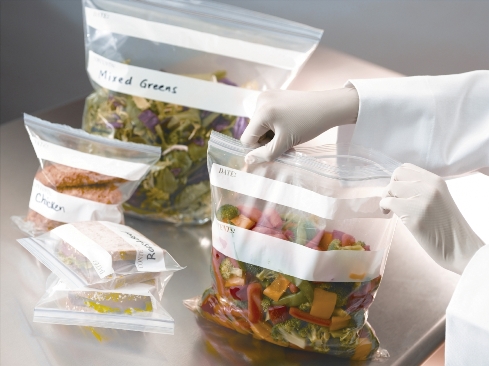
Extending the shelf life of fresh foods has come a long way in the food industry since curing meats with salt and sugar or canning vegetables with heat processing. The food service and consumer markets needed some better visual packages to draw the eye to the freshness factor and the technology of food packaging has filled our dinner plate. Vacuum packaging and modified atmosphere packaging, shortened to “MAP”, are the terms used for the method of food packaging used every time we choose convenience over more complex scratch meal preparation. According to industry statistics, billions of packages of vacuum and MAP-packaged foods flood the marketplace today. In both modified-atmosphere and vacuum packaging, food is packaged in a pouch made of barrier film.
The Eleven Commandments of Food Safety at Your Restaurant
Lists help us remember all kinds of information. Given the list of recent national foodborne outbreaks in the news, keep repeating this list to your food service team. They are kind of like “commandments”. As a professional in a food service facility we should think of the very basic food safety concepts that every crew member should aspire to learn, even though this list may have different priorities based on your menu. The first 3 apply to anyone who serves food, from a bag of popcorn to a full course meal. As chefs or managers, if we can “set the example” by repeating good food safety practices visibly to the crew, it will help them understand how important it is to the success of your facility. Thou shalt:
The Worst Customer Complaint: Foodborne Illness
Food service managers and crew try to follow the rules of food protection. Yet, occasionally a complaint may arise and these calls take priority over all other daily crises. If you have been in the food service industry long enough, you may have gotten one of these. A customer may claim, "I think your food made me ill." These words inflict instant anxiety. If it happens, here are some next steps to think about in advance of such a claim:
How Effective is Your Food Safety Training?
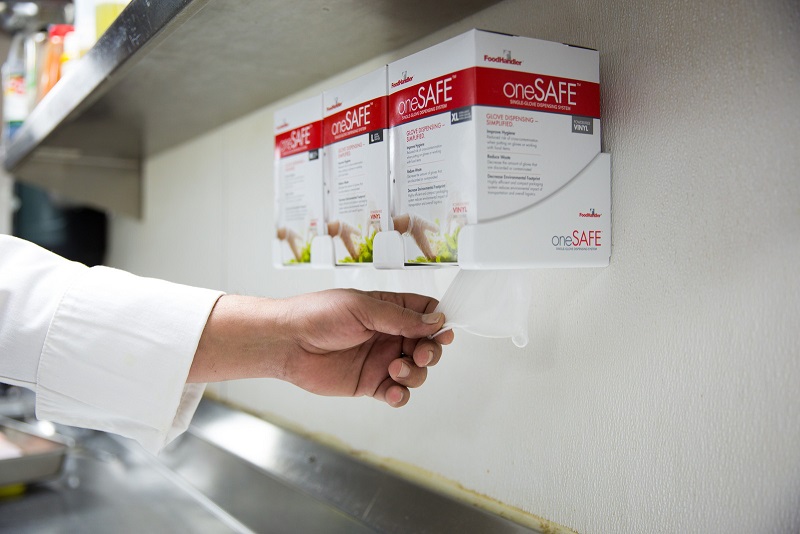
Basic food safety in a restaurant kitchen is not rocket science, but critically important for the crew to take the time to learn about it and for managers to set the example each day. Customers never expect or want to see a manager, chef, or a crew member make a very visible food safety mistake, like not washing hands before food prep and gloving, or touching their face or hair while prepping or handling food. Have we all seen it happen in our restaurant or as a customer elsewhere? Certainly. Are you using some creativity in your current training methods to help your staff “get it” so to speak, and reflect positive behaviors regarding food safety?